
Best HVAC Upgrades for Older Homes That Pay Off

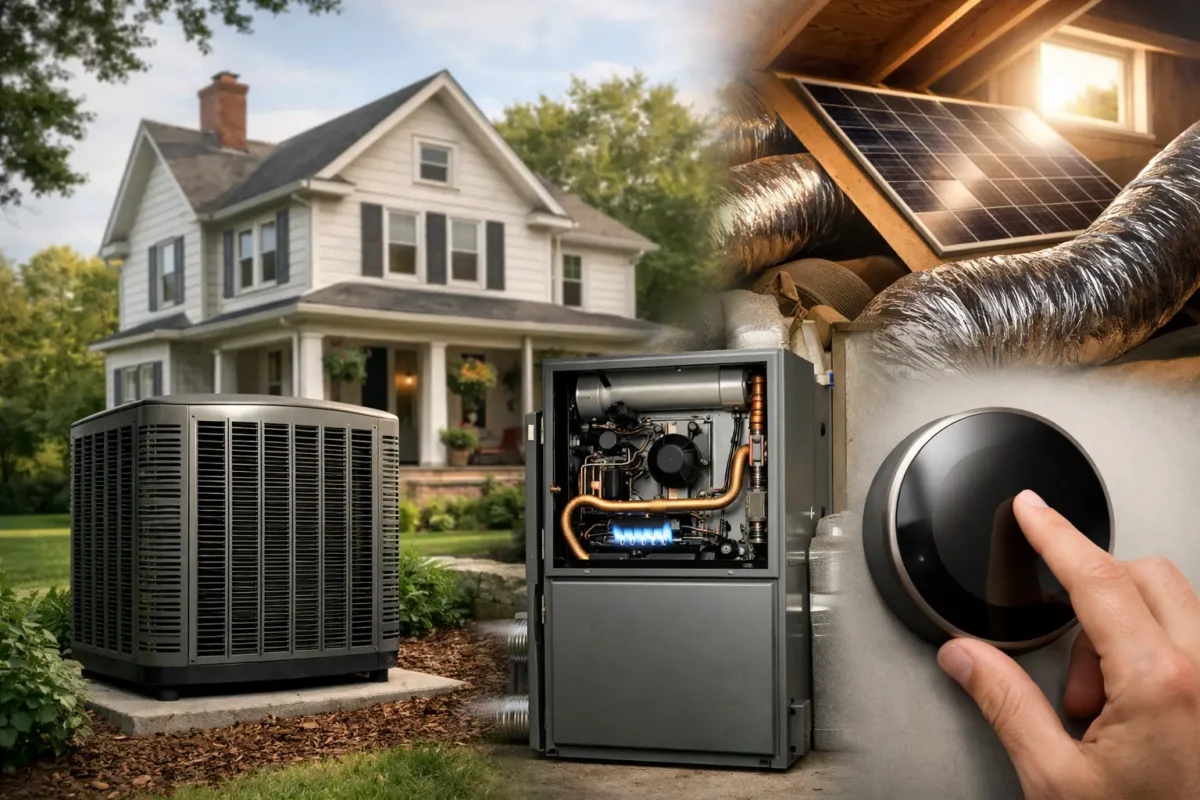
A 1950s ranch home can have plenty of character, but its heating and cooling system may still be working with undersized ducts, uneven airflow, and equipment that costs more to run than it should. The best HVAC upgrades for older homes do more than replace aging equipment. They address the parts of the home that determine whether conditioned air can reach each room comfortably and efficiently.
For San Jose homeowners, the right project depends on the house itself: its insulation, electrical capacity, duct layout, window exposure, and the condition of its existing furnace or air conditioner. A professional evaluation helps separate worthwhile improvements from expensive fixes that will not solve the real problem.
Start With the Home, Not Just the Equipment
It is tempting to focus on the age of the furnace or AC unit. However, a new high-efficiency system cannot fully deliver its benefits when ductwork leaks in the attic, return-air pathways are restricted, or rooms receive dramatically different sun exposure.
Older Bay Area homes often have additions, remodeled rooms, or converted garages that were never properly incorporated into the original HVAC design. The result may be a cold bedroom in winter, a hot upstairs space in summer, or a system that runs constantly without making the house feel comfortable.
Before recommending an upgrade, a qualified technician should evaluate system performance, duct condition, airflow, thermostat location, and the size of the current equipment. Proper sizing matters. An oversized system can cycle on and off too often, while an undersized one may struggle during the warmest or coldest days.
Heat Pumps: A High-Value Upgrade for Many Homes
For many homeowners, replacing an older furnace and air conditioner with a heat pump is one of the most practical long-term improvements. A heat pump provides both heating and cooling through one system, moving heat rather than creating it through combustion.
Modern heat pumps perform well in San Jose’s generally mild climate. They can offer efficient cooling in summer and dependable heat through the cooler months, while reducing reliance on a gas furnace. This makes them especially appealing when both major pieces of equipment are nearing the end of their service life.
The trade-off is that some older homes need electrical upgrades, panel capacity review, or duct modifications before installation. That does not make a heat pump the wrong choice. It simply means the project should be planned as a whole-home comfort improvement rather than a simple equipment swap.
Ducted and Ductless Options
A ducted heat pump can be an excellent fit when existing ducts are in good condition or can be repaired and sealed. It maintains a familiar central-air setup while improving efficiency.
Ductless mini-split systems are often worth considering for homes without ductwork, historic properties where large renovations are not desirable, or additions that are difficult to serve from the central system. Indoor wall- or ceiling-mounted units provide room-by-room control, which can help households avoid conditioning unused spaces.
Ductless systems are not automatically the best solution for every room. Some homeowners prefer the appearance and distribution of a central system, while others value the zoning flexibility. The right choice comes down to layout, comfort priorities, and budget.
Duct Repair and Replacement Can Change Comfort Fast
Ductwork is easy to overlook because it is usually hidden above ceilings, below floors, or in attics. Yet poorly connected, damaged, or uninsulated ducts can waste a significant amount of the air your system has already heated or cooled.
In older homes, common issues include deteriorated flexible duct runs, gaps at connections, crushed sections that restrict airflow, and ducts that were never sized correctly for later additions. These problems can create dustier rooms, uneven temperatures, noisy operation, and higher utility bills.
Duct sealing and targeted repairs can make sense when the overall layout is sound. Full duct replacement may be the better investment when the system is extensively damaged, poorly designed, or too small for the home’s current needs. A contractor should explain the condition of the ductwork clearly and provide upfront pricing before work begins.
Smart Thermostats Add Control, Not a Cure-All
A smart thermostat is one of the more accessible HVAC upgrades, and it can help homeowners manage energy use without giving up comfort. Scheduling features, remote access, and usage reports make it easier to avoid cooling an empty house all day or overheating rooms at night.
For a household with regular work and school schedules, the savings can be meaningful over time. Smart thermostats can also help identify patterns, such as an AC system that runs longer than expected during certain hours.
Still, a thermostat cannot correct a failing compressor, leaking ducts, or poor airflow. It works best as part of a properly functioning system. Compatibility also matters, particularly with heat pumps, multi-stage equipment, and older wiring. Professional installation can prevent setup problems that limit the thermostat’s features.
Improve Filtration and Indoor Air Quality
Older homes may have more gaps around doors, windows, and building materials, allowing outdoor particles to enter more easily. Wildfire smoke and seasonal allergens are also real concerns for Bay Area households. Upgrading filtration can make a noticeable difference in the air your family breathes.
A properly selected higher-efficiency filter may capture more fine particles than a basic filter, but the filter must match the system’s airflow capability. Using a filter that is too restrictive can strain equipment and reduce air circulation. This is why a technician should evaluate the return-air system before recommending a filtration upgrade.
Depending on the home and household needs, options may include improved media filtration, whole-home air cleaners, ventilation improvements, or humidity-related solutions. Families with allergies, pets, or respiratory sensitivities may benefit most from a tailored recommendation rather than a one-size-fits-all product.
Add Zoning Where the House Has Different Comfort Needs
Many older homes were designed around a simpler floor plan. Once an upstairs addition, home office, or sun-facing family room is added, one thermostat may no longer be enough. Zoning divides a home into separate comfort areas, allowing each zone to receive the heating or cooling it needs.
For example, a rarely used guest room does not need the same conditioning as a busy living area. Zoning can reduce temperature battles between family members and help the system operate more intentionally.
Traditional zoning often requires compatible equipment, control dampers, and ductwork changes. Ductless systems can also create zones without extensive reconstruction. Because zoning is more involved than installing a thermostat, it is best suited for homes with persistent room-to-room comfort problems, not minor temperature differences.
Do Not Skip Electrical and Ventilation Considerations
When planning major HVAC work in an older home, the electrical panel deserves attention. Heat pumps, new air handlers, and advanced controls may require circuit updates or added capacity. Addressing electrical needs early prevents delays and helps ensure the installation is safe and code-compliant.
Ventilation also deserves a close look. A home should not feel stuffy simply because it is closed up to save energy. Balanced ventilation planning can support fresh indoor air while avoiding unnecessary energy loss. The best approach depends on the home’s tightness, occupancy, and existing mechanical systems.
How to Prioritize HVAC Upgrades for an Older Home
If the budget does not allow a full replacement project at once, start with the issues affecting safety, reliability, and major energy waste. A furnace with combustion concerns, an AC unit that frequently fails, or heavily damaged ductwork should take priority over convenience upgrades.
Next, focus on the changes most likely to improve daily comfort: airflow corrections, duct sealing, equipment replacement, and controls that match how your household lives. Ask for clear options, expected benefits, and any necessary electrical or ductwork work before making a decision.
At HVAC DOME, licensed technicians help San Jose-area homeowners look beyond the immediate breakdown and choose comfort solutions that fit the home and the budget. The goal is not to sell the largest system. It is to help your older home feel dependable, efficient, and comfortable in every season.
A thoughtful HVAC upgrade can preserve what you love about an older home while removing the hot rooms, cold corners, and surprise repair worries that should not be part of living there.