
Homeowner Guide to Heat Pumps

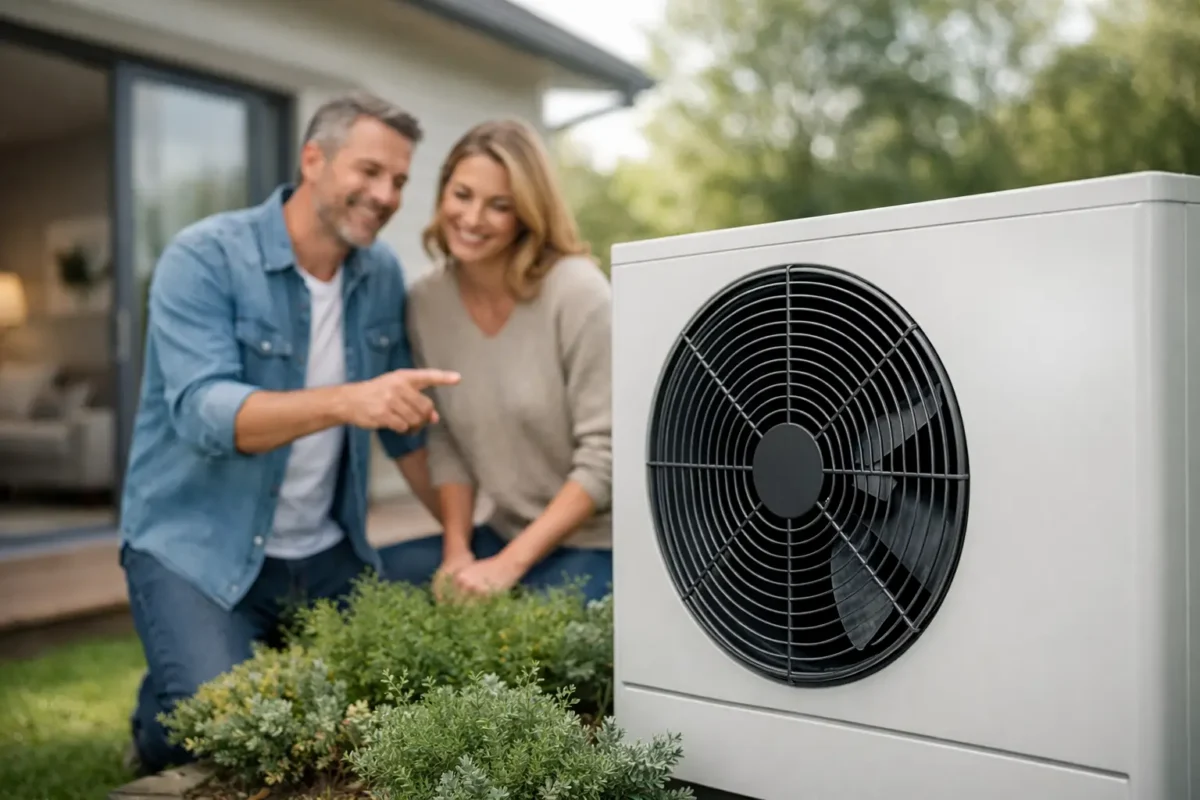
If your furnace is aging, your AC struggles in summer, or your utility bills keep creeping up, this homeowner guide to heat pumps can help you make sense of a system more Bay Area households are seriously considering. For many San Jose homeowners, a heat pump is not just a replacement for one piece of equipment. It can be a smarter way to handle both heating and cooling with better efficiency and more even comfort.
Heat pumps have become a common option because they solve a few problems at once. They cool your home in warm weather like an air conditioner, and they heat your home by moving heat instead of generating it the way a traditional furnace does. That difference matters because moving heat is usually more efficient than creating it from scratch.
A homeowner guide to heat pumps starts with the basics
A heat pump does not “make” cold air. In cooling mode, it pulls heat out of your indoor air and moves it outside. In heating mode, it reverses that process and pulls heat from outdoor air into your home. Even when it feels chilly outside, there is still heat in the air that the system can capture.
For Bay Area homes, this approach often makes sense because our climate is relatively mild compared to places with long, harsh winters. In San Jose and surrounding communities, homeowners usually need dependable cooling during warm months and steady, efficient heating during cooler periods, without the extreme demand seen in colder parts of the country.
That local climate is one reason heat pumps are worth a close look here. They are often a practical fit for year-round comfort, especially in homes where energy efficiency is a top priority.
Why more San Jose homeowners are considering heat pumps
The biggest reason is efficiency, but that is not the whole story. Homeowners are also looking for quieter operation, more consistent indoor temperatures, and fewer concerns about pairing separate heating and cooling systems.
If your home currently has an older AC and an older furnace, replacing both with a heat pump can simplify your setup. Instead of maintaining two aging systems that may fail at different times, you can move to one modern solution designed to handle both jobs.
There is also the comfort factor. Many homeowners notice that heat pumps deliver gentler, steadier heat than a furnace that cycles on with bursts of very hot air. That can make rooms feel more balanced, especially in homes that have hot and cold spots with older equipment.
Still, a heat pump is not automatically the right answer for every property. The right fit depends on your home’s size, insulation, ductwork condition, and what kind of comfort issues you are trying to solve.
The main types of heat pumps
The two most common residential options are ducted heat pumps and ductless mini-split heat pumps. A ducted system works through your existing ductwork, similar to a central AC or furnace setup. This can be a strong option if your ducts are in good shape and properly sized.
A ductless mini-split system does not rely on ducts. It uses one or more indoor air handlers connected to an outdoor unit. This can work especially well for homes without existing ducts, room additions, converted garages, or spaces where temperature control varies from one area to another.
There is no one-size-fits-all winner. If your ducts leak, are poorly designed, or have major airflow issues, installing a ducted heat pump without addressing those problems may limit performance. On the other hand, if your home already has solid ductwork, a central system can feel more familiar and provide whole-home comfort with a cleaner look.
What about dual-fuel systems?
Some homes use a dual-fuel setup, which combines a heat pump with a gas furnace. The heat pump handles most heating and cooling, while the furnace kicks in during colder conditions. In the Bay Area, this can be a useful middle-ground option for homeowners who want efficiency but also want the backup of furnace heat.
It depends on your comfort preferences, utility costs, and the condition of your current equipment. For some households, all-electric makes sense. For others, dual-fuel offers the balance they want.
Cost, savings, and what homeowners should expect
Heat pump pricing varies based on system size, efficiency rating, brand, installation complexity, and whether ductwork updates are needed. A straightforward replacement will usually cost less than a project that includes electrical work, duct modifications, or multiple indoor units.
What matters most is looking beyond the initial price. A cheaper system that is poorly matched to your home can cost more over time through higher utility bills, uneven comfort, and earlier wear. A properly sized and professionally installed system usually delivers better long-term value.
Energy savings can be real, especially if you are replacing older equipment. But savings are not identical from one home to another. Usage habits, thermostat settings, insulation, window quality, and air leakage all affect the results. A heat pump works best as part of an overall comfort strategy, not as a magic fix for every efficiency issue in the house.
Sizing matters more than most homeowners realize
A heat pump that is too small may struggle to keep up on hotter or colder days. A system that is too large can short cycle, turning on and off too frequently, which wastes energy and can leave humidity control weaker during cooling season.
That is why proper load calculations matter. Square footage alone is not enough. A qualified HVAC professional should consider your home’s layout, insulation, sun exposure, window placement, ceiling height, and duct performance before recommending equipment.
This is one area where homeowners can protect themselves by asking direct questions. If a contractor gives you a quote based only on old equipment size or rough square footage, that is a sign to slow down and ask for a more careful evaluation.
Common homeowner concerns about heat pumps
One of the most common questions is whether a heat pump can keep a home warm enough in winter. In our area, the answer is often yes, especially with modern equipment designed for strong cold-weather performance. For Bay Area conditions, many systems handle seasonal heating needs very effectively.
Another concern is airflow temperature. Furnace heat can feel hotter coming from the vents, while heat pump air may feel milder. That does not mean it is not heating properly. It usually means the system is maintaining comfort more gradually and consistently.
Noise is another point homeowners ask about. Newer heat pumps are often quieter than older HVAC equipment, but sound levels still vary by model and installation quality. Placement of the outdoor unit also matters, especially if bedrooms or neighboring properties are close by.
When a heat pump is a smart choice
This homeowner guide to heat pumps would not be complete without a practical reality check. A heat pump is often a strong choice if your current furnace and AC are both aging, if you want better efficiency, if you are planning to stay in your home for years, or if your household wants a more all-in-one comfort solution.
It can also make sense if parts of your home are hard to keep comfortable and you are open to a ductless or hybrid design. In many Bay Area homes, that flexibility is a real advantage.
A heat pump may be less straightforward if your home has major insulation problems, serious duct leakage, or electrical limitations that need upgrades first. In those cases, the best result usually comes from looking at the whole system rather than replacing equipment in isolation.
Choosing the right installer matters as much as the equipment
Even an excellent heat pump can disappoint if the installation is rushed or the design is off. Refrigerant charge, airflow setup, thermostat calibration, duct sealing, and system commissioning all affect performance.
Homeowners should look for licensed technicians, clear recommendations, upfront pricing, and a contractor willing to explain options in plain language. You should feel comfortable asking why one system is being recommended over another and what trade-offs come with each choice.
That guidance matters because the best HVAC decisions are rarely about equipment alone. They are about how your home actually lives day to day – who is there, which rooms run hot, how much you use heating, and what level of efficiency and comfort you want over time.
For homeowners in San Jose and nearby communities, working with a local team like HVAC DOME can make that process feel a lot more manageable. The goal should be simple: reliable comfort, honest advice, and a system that fits your home instead of forcing your home to fit the system.
If you are weighing repair versus replacement or comparing a furnace and AC setup to a heat pump, the best next step is not guessing. It is getting a professional assessment built around your home, your comfort, and your budget so you can move forward with confidence.