
Home Heating System Buying Guide for San Jose

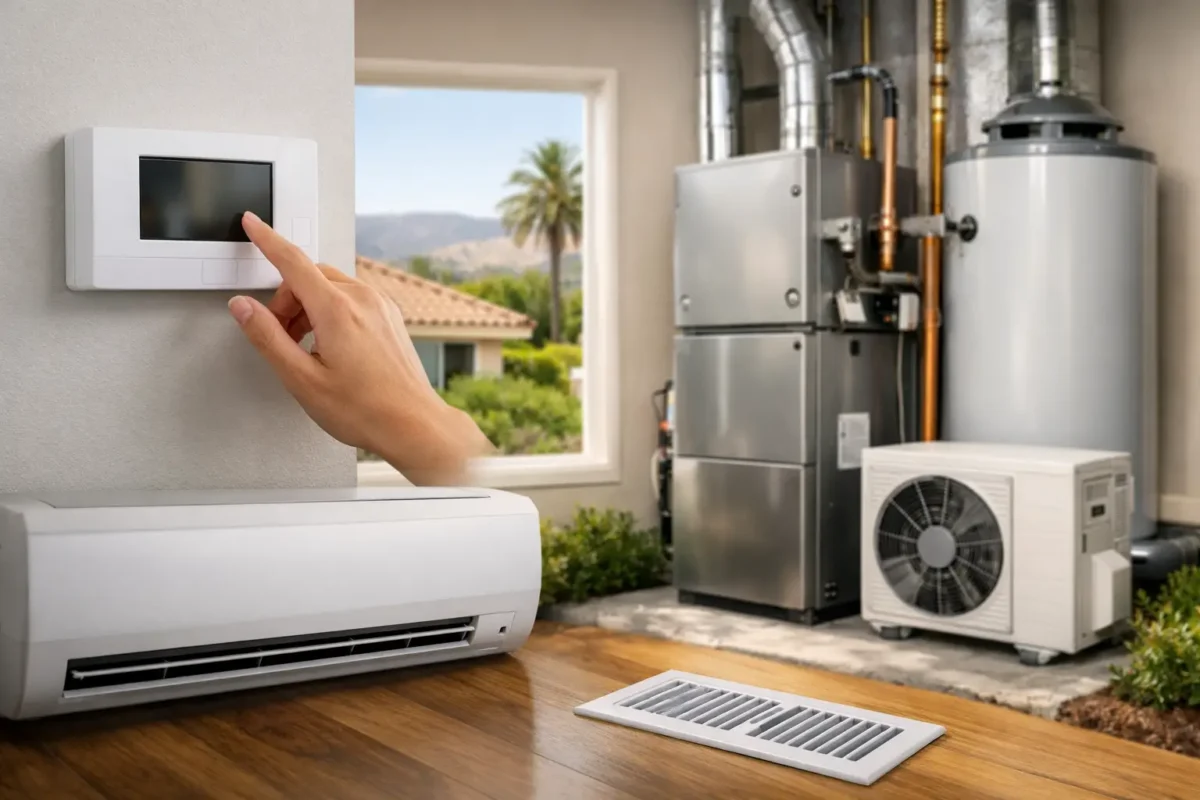
A heating system replacement usually becomes urgent on the coldest evening of the year, when an aging furnace starts making unfamiliar noises or stops producing heat altogether. This home heating system buying guide is designed to help San Jose homeowners make a confident decision before comfort becomes an emergency.
The right system is not simply the highest-efficiency model or the lowest initial quote. It needs to suit your home’s layout, existing equipment, energy goals, and the way your household uses each room. A professional assessment turns those details into a recommendation you can trust.
Start With Your Home, Not the Equipment
It is tempting to begin by comparing furnace brands, efficiency ratings, or promotional prices. First, consider what is happening inside your home. Does the second floor run cooler than the main living space? Are some rooms difficult to heat? Is your current system loud, unreliable, or driving up utility bills?
Those symptoms may point to an aging heater, but they can also reveal leaky ductwork, poor airflow, insulation gaps, or incorrect system sizing. Replacing a heater without addressing these issues can leave you with a newer system that still does not deliver even comfort.
A qualified HVAC technician should evaluate your home’s square footage, insulation, window exposure, ceiling height, duct condition, and occupancy. In the Bay Area’s mild but variable climate, these details matter. A system that is too small may struggle during cold snaps. One that is oversized can cycle on and off too often, wasting energy and creating uneven temperatures.
Choose the Heating System That Fits Your Needs
Most San Jose-area homes considering a replacement will choose between a gas furnace and a heat pump. In some situations, a dual-fuel setup or a ductless system may be the better answer.
Gas furnaces
A gas furnace creates heat by burning natural gas and distributing warm air through ductwork. It remains a familiar, dependable choice for homes that already have gas service and functioning ducts. Modern high-efficiency furnaces can provide strong, consistent heat with lower fuel use than older models.
For homeowners replacing an older furnace, installation can be relatively straightforward when the duct system and venting are in good condition. The trade-off is that operating costs depend on natural gas rates, and a furnace only handles heating. You will still need separate air conditioning equipment for summer comfort.
Heat pumps
A heat pump moves heat rather than generating it through combustion. In heating mode, it draws available heat from outdoor air and transfers it indoors. In cooling mode, it works much like an air conditioner, removing heat from your home.
That two-in-one capability makes heat pumps especially appealing in San Jose and nearby communities, where winters are generally moderate and summers still require reliable cooling. A properly selected heat pump can reduce energy use, provide year-round comfort, and eliminate the need for separate heating and cooling equipment.
The right choice depends on your electrical capacity, ductwork, home comfort goals, and budget. Heat pumps can have a higher upfront cost than a basic furnace replacement, particularly if electrical upgrades are needed. Their long-term energy savings and cooling function, however, may make the investment worthwhile.
Dual-fuel and ductless options
A dual-fuel system combines a heat pump with a gas furnace. The heat pump handles most mild-weather heating, while the furnace takes over when outdoor temperatures drop enough for gas heat to be more cost-effective or practical. This approach can offer flexibility for homeowners who want efficiency without giving up the reassurance of furnace heat.
Ductless mini-split heat pumps are another option for additions, converted garages, rooms with persistent comfort problems, or homes without usable ducts. Each indoor unit serves a specific zone, allowing household members to adjust temperatures where they spend time. They are not always the most economical solution for an entire large home, but they can be an excellent targeted upgrade.
Understand Efficiency Ratings Without Getting Lost in Them
Efficiency ratings are useful, but they should support your decision rather than make it for you. For furnaces, look at AFUE, or Annual Fuel Utilization Efficiency. A 95% AFUE furnace converts about 95 cents of every fuel dollar into usable heat, with the remainder lost through venting and normal operation.
For heat pumps, heating performance is commonly measured by HSPF2, while cooling efficiency is measured by SEER2. Higher ratings generally mean lower energy use, but the best-rated unit is not automatically the best value. The added cost of premium equipment needs to make sense for how long you plan to stay in the home and how much you use the system.
Installation quality has a major effect on real-world performance. Even efficient equipment can waste energy when ducts leak, airflow is restricted, refrigerant levels are incorrect, or controls are not set up properly. Ask how the contractor will verify system performance after installation, not just what rating is printed on the equipment label.
Budget for the Full Project Cost
A clear estimate should account for more than the heater itself. Depending on your home, a replacement project may include equipment, labor, permits, thermostat upgrades, electrical work, condensate drainage, venting changes, duct repairs, and removal of old equipment.
Upfront pricing is valuable because it lets you compare proposals based on the actual scope of work. A lower quote may not include necessary duct modifications or code-related updates. On the other hand, not every home needs extensive add-ons. The goal is a recommendation based on documented needs, explained in plain language.
It is also wise to factor in operating expenses. A lower-priced system with poor efficiency may cost more over its service life. A high-efficiency system may cost more initially but reduce monthly bills and provide better temperature control. Ask for a practical comparison of estimated energy use, warranty coverage, and maintenance expectations.
Do Not Skip Ductwork and Airflow
Your heating system can only perform as well as the air distribution system connected to it. Ducts that are undersized, disconnected, leaking, or poorly insulated can send heated air into attics, crawl spaces, and wall cavities instead of your living areas.
Uneven room temperatures, excessive dust, whistling vents, and weak airflow are reasons to request a ductwork inspection before choosing new equipment. In some homes, targeted duct sealing or repair produces a noticeable comfort improvement without a complete duct replacement.
If you are adding a heat pump to an older home, duct capacity is especially worth checking. Heat pumps often move air differently than older furnaces, and the system must be designed to maintain steady, comfortable airflow. Proper design protects efficiency, reduces noise, and helps the equipment last longer.
Ask Questions That Reveal Installation Quality
Heating equipment is a long-term purchase, so the contractor matters as much as the model. Before approving an installation, ask whether the recommendation is based on a load calculation rather than a rough square-foot estimate. Ask what permits are required, how your existing ducts and electrical system will be evaluated, and what happens if an unexpected issue is found during installation.
You should also know who will perform the work, whether technicians are licensed and insured, and how the company handles post-installation concerns. Reliable service includes clear communication, respect for your home, and a plan for testing the completed system before the job is considered finished.
For homeowners in San Jose and surrounding Bay Area communities, HVAC DOME can assess your heating needs, explain your options without pressure, and provide upfront pricing for a solution built around your home.
Plan for Comfort Beyond Installation Day
A new system should come with a plan to protect it. Change filters on schedule, keep outdoor heat pump units clear of leaves and debris, and arrange professional maintenance before the heating season. Routine service helps catch worn parts, airflow problems, and safety concerns early, when they are usually easier to address.
If your current heater is still operating but becoming unreliable, this is a good time to schedule an evaluation. You will have more time to compare options, ask questions, and choose a system that supports dependable comfort rather than making a rushed decision after a breakdown.