
Why Does Furnace Keep Cycling? Causes and Fixes

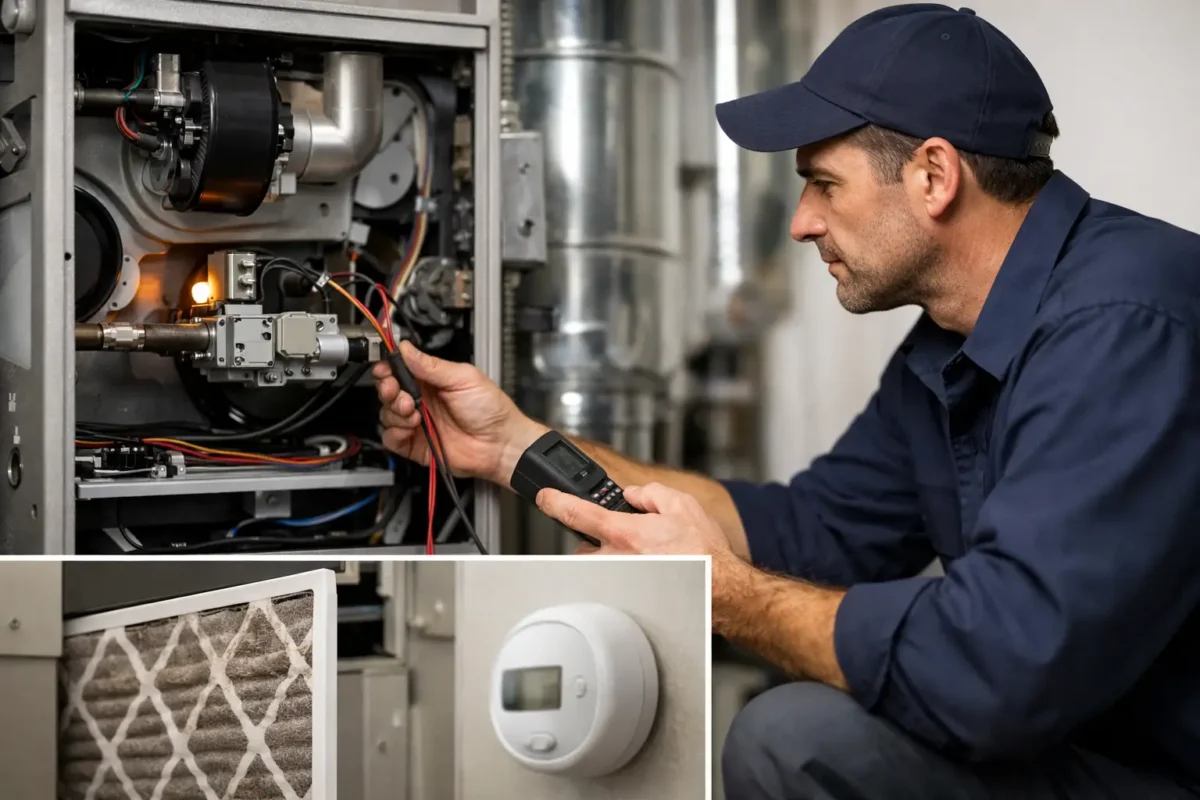
A furnace that starts, runs briefly, shuts off, and then starts again can make a San Jose home feel unevenly heated – and it can raise concerns about energy use and system safety. If you are asking, “why does furnace keep cycling,” the answer may be as simple as a clogged air filter or as involved as a safety control shutting the equipment down. The pattern matters, especially when the furnace runs for only a few minutes at a time.
A properly operating furnace does not run nonstop, but it should complete a reasonable heating cycle before shutting off. During a colder morning, many systems run for roughly 10 to 15 minutes, though cycle length depends on outdoor temperature, home insulation, thermostat settings, and furnace size. Repeated cycles lasting two to five minutes are usually a sign worth checking.
Why Does Furnace Keep Cycling So Often?
Frequent on-and-off operation is commonly called short cycling. It puts extra wear on ignition components, the blower motor, and other furnace parts. It can also leave rooms uncomfortable because the system stops before warmed air is distributed evenly through the home.
Short cycling is not one diagnosis. Your furnace may be responding to an airflow restriction, an inaccurate thermostat reading, a combustion issue, or an internal safety switch. A licensed HVAC technician can identify the real cause rather than replacing parts based on guesswork.
A dirty air filter is restricting airflow
A clogged filter is one of the most common and most preventable reasons for short cycling. Your furnace needs steady airflow across its heat exchanger. When a filter is packed with dust, pet hair, or debris, heat can build up inside the unit. The high-limit safety switch may turn the burners off to protect the system from overheating.
Check your filter first if it has been more than one to three months since replacement. Homes with pets, construction dust, allergies, or frequent system use may need more frequent changes. Make sure the new filter is installed in the correct direction and uses the size recommended for your system. An overly restrictive filter can also create airflow problems, even when it is clean.
Thermostat placement or settings are causing fast shutoffs
The thermostat tells the furnace when to start and stop. If it is located near a supply vent, kitchen heat, direct sunlight, a fireplace, or another warm spot, it can register the house as warmer than it really is. The furnace then shuts down while bedrooms or farther rooms remain cold.
A weak thermostat battery, loose wiring, or faulty temperature sensor can create similar behavior. Before assuming the furnace has failed, verify that the thermostat is set to Heat, the fan is set to Auto, and the temperature setting is comfortably above the current indoor temperature. If you recently installed a smart thermostat, compatibility or setup may also be part of the issue.
Closed vents or ductwork problems are trapping heat
Closing supply registers in unused rooms can seem like an easy way to direct heat elsewhere. In many forced-air systems, however, closing too many vents reduces airflow and may contribute to overheating. Open the registers throughout the home and make sure furniture, rugs, or curtains are not blocking return-air grilles.
Leaky, disconnected, undersized, or poorly designed ductwork can also affect furnace performance. Bay Area homes with additions, remodeled rooms, or older ducts sometimes have airflow imbalances that a basic furnace repair will not fully solve. A technician can evaluate airflow and recommend whether duct repair, balancing, or equipment adjustments will provide a lasting fix.
The flame sensor or ignition system needs attention
Gas furnaces use safety controls to confirm that burners have ignited correctly. A dirty flame sensor may fail to detect the flame even when ignition occurs. The furnace will often start, run for several seconds, and shut down as a safety response. It may retry several times before locking out.
This is not a part to bypass or clean with improvised methods. Ignition, gas, and electrical components require proper diagnosis and careful service. If you hear repeated clicking, notice burners starting and stopping quickly, or see an error code on the furnace, schedule professional service.
A venting or pressure-switch issue is interrupting operation
High-efficiency furnaces use intake and exhaust pipes, typically routed outdoors. Leaves, nests, debris, standing water, or damage at the exterior terminations can interfere with safe venting. A pressure switch may then stop the furnace from operating as designed.
Homeowners can visually check that exterior vents are clear of obvious obstructions without disassembling equipment. Do not insert tools into vent pipes or remove furnace panels to investigate. Venting problems can involve combustion safety, condensate drainage, or internal components that need a trained technician.
The furnace may be oversized for the home
A furnace that is too large heats the immediate area very quickly and then shuts off before delivering consistent heat throughout the house. It may sound like a good problem to have, but oversized equipment often causes temperature swings, reduced efficiency, and unnecessary wear from repeated starts.
This can happen after a replacement when equipment was selected based only on the old furnace size rather than a full load calculation. It may also become more noticeable after insulation, windows, or other home improvements reduce heating demand. The solution depends on the system. Sometimes airflow, thermostat placement, or staging adjustments help; in other cases, replacement planning is the most practical long-term answer.
A failing limit switch, blower, or control board may be involved
Furnaces contain several controls designed to stop operation when conditions are unsafe. A malfunctioning high-limit switch may trip too soon. A weak blower motor or failing capacitor may not move enough air. Electrical connections, relays, and control boards can also cause irregular cycling.
These problems can look alike from the outside. Professional testing is the reliable way to separate a simple maintenance need from a component failure. Prompt repair helps prevent a smaller issue from developing into overheating damage or a complete no-heat call.
What You Can Safely Check Before Calling for Furnace Service
Start with the basics, but avoid opening sealed combustion areas or attempting to reset safety switches repeatedly. Replace a visibly dirty filter, confirm that vents and returns are open and unobstructed, and check the thermostat settings and batteries. If your system has an accessible exterior intake or exhaust termination, look for leaves or other visible blockages.
Then pay attention to the cycle. Note whether the furnace shuts off after a few seconds, a few minutes, or after the blower continues to run. Notice whether the issue affects the whole home or only certain rooms. These details help a technician diagnose the problem efficiently and provide a clearer, upfront repair recommendation.
If the furnace has a standard power switch nearby, make sure it has not been turned off accidentally. Check the electrical panel for a tripped breaker, but do not keep resetting a breaker that trips again. Repeated electrical trips can signal a problem that needs professional attention.
When Furnace Short Cycling Needs Immediate Attention
Turn the furnace off and arrange service promptly if you smell gas, notice burning odors that do not fade quickly, hear loud banging or screeching, see soot near the unit, or experience repeated breaker trips. Leave the home and contact the gas utility or emergency services if you smell a strong gas odor.
Carbon monoxide alarms deserve the same attention. If an alarm sounds, move everyone outside to fresh air and call emergency services. Do not re-enter the home or restart the furnace until professionals say it is safe. A furnace should never be treated as a DIY repair project when combustion or carbon monoxide may be involved.
For less urgent short cycling, it is still wise to schedule a repair visit soon. Each unnecessary startup uses energy and places stress on parts that are meant to operate in longer, steadier cycles. Waiting can turn a filter, sensor, or airflow correction into a more expensive repair.
Preventing Future Furnace Cycling Problems
Routine maintenance is the best defense against surprise heating problems. A seasonal furnace tune-up allows a licensed technician to inspect the filter, burners, flame sensor, electrical connections, blower performance, safety controls, and venting. It also gives you an opportunity to address uneven rooms and rising utility bills before the coldest days arrive.
For homeowners in San Jose and nearby Bay Area communities, HVAC DOME provides dependable furnace diagnostics and repair with licensed technicians, upfront pricing, and comfort-focused recommendations. Whether the fix is basic maintenance or a larger airflow issue, the goal is the same: safe, reliable heat without constant starts and stops.
A furnace that cycles normally should quietly keep your home comfortable in the background. When it cannot, a timely professional inspection can restore that peace of mind before a minor interruption becomes a no-heat emergency.