
When to Replace Air Filter for Better Home Comfort

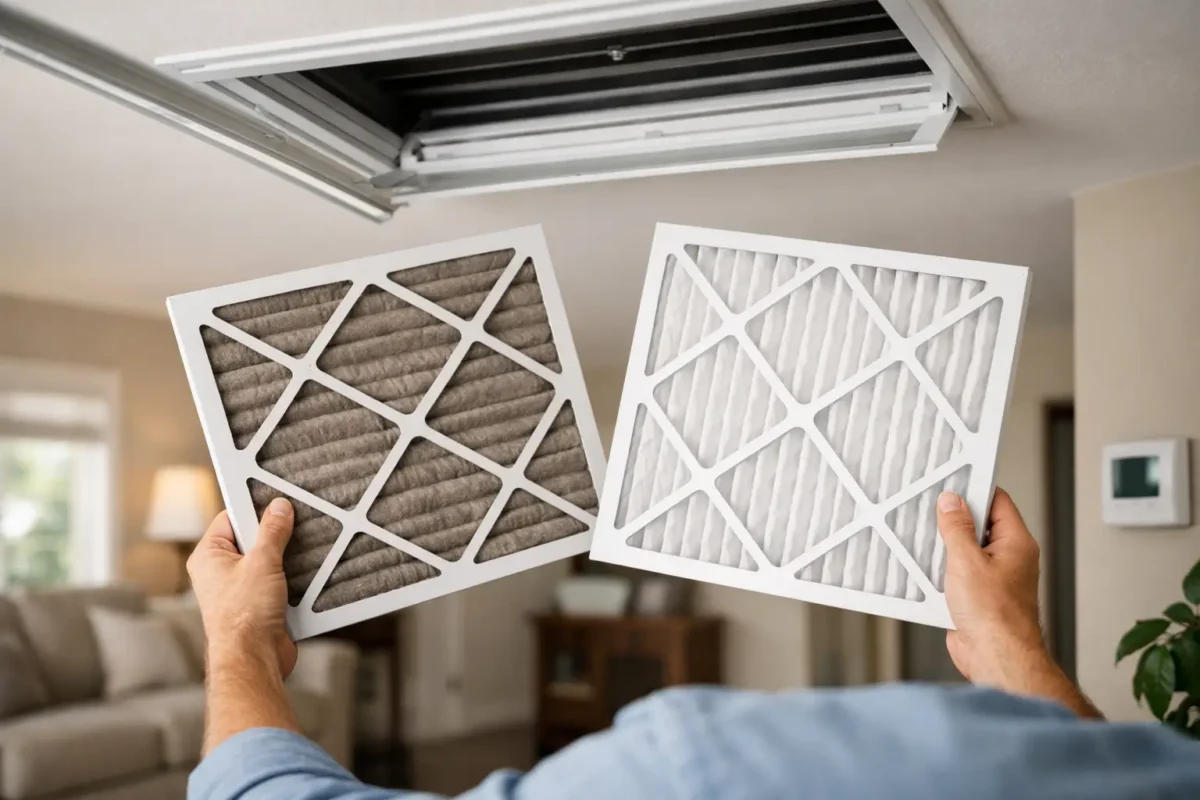
A clogged air filter can turn a perfectly capable heating or cooling system into a noisy, inefficient workhorse. Knowing when to replace air filter is one of the simplest ways San Jose homeowners can protect indoor comfort, support cleaner airflow, and help prevent avoidable HVAC repairs.
Most homes need a new filter every one to three months, but that range is only a starting point. Your household, your filter type, your pets, and how often the system runs all affect the right schedule. Replacing it before airflow suffers is less expensive and less stressful than waiting for a comfort problem to appear.
When to Replace Air Filter in Your Home
For a typical one-inch disposable filter, check it monthly and plan to replace it every 30 to 90 days. A basic fiberglass filter may need changing every 30 days. Pleated filters often last 60 to 90 days, while some thicker media filters can last six months or longer when the manufacturer allows it.
The date on the calendar matters, but the filter’s condition matters more. Hold the filter up to a light source. If little light passes through it, or if it looks gray, fuzzy, or coated with visible dust, it is time for a replacement. Do not wait for it to become completely packed with debris.
A clean filter allows the blower to move air through your home with less resistance. When it is clogged, your furnace, air conditioner, or heat pump has to work harder to deliver the same comfort. That extra strain can raise energy use and contribute to wear on parts such as the blower motor, evaporator coil, and compressor.
A practical schedule for Bay Area households
If you live alone, have no pets, and rarely run your HVAC system, checking every other month may be enough. Many households in San Jose, Sunnyvale, Cupertino, and nearby communities will still benefit from a fresh filter every two to three months.
Replace it closer to every 30 to 60 days if your home has pets, smokers, frequent open windows, ongoing construction nearby, or family members with allergies or respiratory sensitivities. Pet hair and dander can load a filter quickly, even when your home looks clean. During hot spells or cold, damp weather when the system runs more often, the filter may also need attention sooner.
If you use a high-efficiency filter with a higher MERV rating, follow the manufacturer’s guidance and inspect it regularly. These filters capture smaller particles, which can be useful for indoor air quality, but they may restrict airflow faster than a less dense filter. The best filter is one your particular HVAC system can handle without sacrificing performance.
Signs Your Air Filter Is Overdue
Your filter will often tell you it needs changing before it causes a complete comfort issue. Watch for these common warning signs:
- Rooms feel stuffy, dusty, or harder to heat and cool than usual.
- Airflow from supply vents seems weaker than normal.
- Your system runs longer or cycles more often to reach the thermostat setting.
- Dust builds up quickly on furniture, floors, and vent covers.
- The filter appears dark gray, bent, or visibly loaded with debris.
- You notice more sneezing, allergy symptoms, or irritation while indoors.
These signs do not always point only to the filter. Weak airflow can also come from duct leaks, a blower issue, closed or blocked vents, a dirty coil, or an improperly sized system. Still, checking the filter is a smart first step because it is quick, affordable, and within reach for most homeowners.
Why a Dirty Filter Can Lead to Bigger HVAC Problems
A filter is designed to catch airborne particles before they enter sensitive equipment. When it becomes clogged, airflow drops. That may seem minor, but proper airflow is central to how a heating and cooling system operates.
In cooling mode, restricted airflow can allow the indoor evaporator coil to get too cold and freeze. You may see ice on refrigerant lines, notice warm air from vents, or find water around the indoor unit after the ice melts. Continuing to run a frozen system can cause further damage, so turn it off and arrange professional service.
During heating season, poor airflow can make a furnace run hotter than intended. Safety controls may shut the unit down repeatedly, leaving you with uneven heat or a system that will not stay on. Heat pumps also depend on balanced airflow year-round, making routine filter changes especially valuable.
There is an energy-cost angle, too. A system that has to force air through a dirty filter uses more effort to do the same job. One filter change will not solve every high utility bill, but it removes a common source of unnecessary strain and helps your equipment operate as designed.
How to Change an Air Filter Correctly
Changing a filter usually takes only a few minutes. Start by turning off the thermostat or system. Locate the filter slot, which may be behind a return-air grille, inside the furnace or air handler cabinet, or near the indoor unit in a closet, attic, or garage.
Slide the old filter out and look for the airflow arrow printed on the frame. The arrow should point toward the furnace, air handler, or ductwork, not toward the room. Install the new filter in the same direction, making sure it fits snugly without bending or leaving gaps around the edges.
Before discarding the old filter, write the replacement date on the new frame. A recurring phone reminder is also helpful, particularly in busy households. If your filter is washable, clean and dry it fully before reinstalling it. Never operate your system without a filter in place, even for a short period.
Choose the filter before the problem starts
It is worth keeping one or two correctly sized replacement filters at home. Check the dimensions printed on the existing filter, such as 16 x 25 x 1. Actual dimensions can be slightly smaller than the labeled size, so buy the size recommended for your filter rack rather than forcing a near match into place.
Avoid choosing the highest MERV rating simply because it sounds better. A very restrictive filter may not be suitable for every residential system. If you want stronger particle filtration for allergies, pets, or wildfire smoke concerns, ask a licensed HVAC technician which options work well with your equipment and airflow requirements.
When a New Filter Does Not Restore Airflow
A clean filter should not be a substitute for maintenance or repair. If you replace the filter and your system still has weak airflow, unusual sounds, short cycling, uneven temperatures, burning odors, ice buildup, or rising utility bills, it is time for a professional inspection.
For Bay Area homeowners, dust buildup, aging ductwork, and long periods between maintenance visits can all contribute to airflow concerns. A technician can check the blower, coils, duct connections, refrigerant performance, and safety controls to find the real cause. This is particularly helpful when the system is older or the problem returns soon after a filter change.
HVAC DOME provides dependable residential heating and cooling service with upfront pricing and licensed technicians who focus on the comfort of your home. A timely service visit can catch developing issues before a minor airflow concern becomes a no-cooling or no-heat call.
A fresh filter is a small act of home care, but it supports the equipment your family relies on every day. Check yours today, replace it if it looks loaded with dust, and let a qualified professional take a closer look if comfort still does not feel right.