Why Is My Furnace Blowing Cold Air?

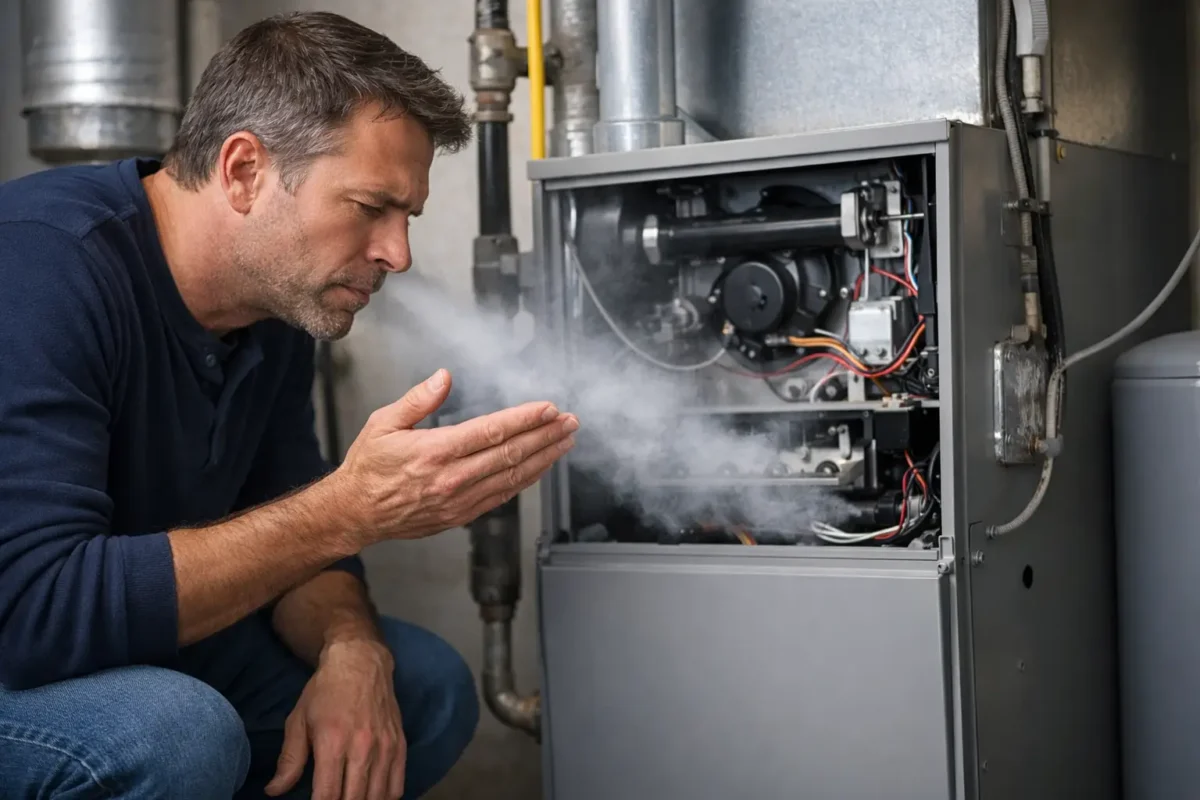
You turn up the thermostat expecting warm air, and instead the vents push out a chilly draft that makes the house feel even colder. If you’re asking, why is my furnace blowing cold air, the answer may be something simple like a thermostat setting – or a warning sign that your heating system needs professional attention.
In many San Jose homes, furnace problems show up right when you need dependable heat most. The good news is that cold air from your vents does not always mean your furnace has failed completely. In some cases, the system is working exactly as designed. In others, it is trying to tell you something is wrong before a bigger breakdown happens.
Why is my furnace blowing cold air sometimes and not others?
One of the most common reasons homeowners get confused is that the air does not feel cold all the time. It may blow warm for a while, then cool off, then warm up again. That pattern can point to a normal operating issue, a settings problem, or a mechanical fault.
A frequent example is the thermostat fan setting. If the fan is set to ON instead of AUTO, the blower keeps running even when the furnace is not actively heating. That means the vents can circulate room-temperature air between heating cycles, which often feels cold against your skin. Switching the fan to AUTO is a quick first check and often solves the issue right away.
Another possibility is that the furnace is overheating and shutting the burners off as a safety measure. When that happens, the blower may continue running to cool the unit down, so the air from the vents feels cold. This is not something to ignore. Short cycling and overheating can lead to more expensive repairs if the root cause is left alone.
Common reasons your furnace is blowing cold air
Some causes are minor and some are urgent. The key is knowing which is which.
Thermostat problems
Before assuming the furnace itself is broken, look at the thermostat. Make sure it is set to HEAT, not COOL, and confirm the temperature setting is higher than the current room temperature. It sounds basic, but accidental setting changes happen all the time, especially in busy households.
Low thermostat batteries can also create erratic behavior. If your display is dim, blank, or acting strangely, replacing the batteries may help. If the thermostat is older, inaccurate, or poorly calibrated, it may not be communicating with the furnace correctly.
Dirty air filter
A clogged air filter is one of the most common furnace problems and one of the most preventable. When airflow is restricted, the heat exchanger can get too hot. The furnace may then shut off the burners to protect itself, while the blower keeps moving air. To you, that feels like the furnace is blowing cold air for no reason.
If your filter looks dirty, replace it with the right size and type for your system. This small maintenance step can improve airflow, support efficiency, and reduce strain on the furnace.
Pilot light or ignition trouble
Older furnaces may rely on a standing pilot light, while newer systems use electronic ignition. If the pilot is out or the ignition system fails, the blower may still run but the burners will not light. No flame means no heat.
If you have an older furnace and the pilot light is out, there may be a simple reset procedure, but gas appliances should always be handled carefully. If the pilot will not stay lit, that usually points to a deeper issue such as a faulty thermocouple or gas supply problem.
Overheated furnace
An overheating furnace often shuts down the burner while keeping the fan on. Besides a dirty filter, blocked vents, closed registers, or blower motor issues can contribute to poor airflow and overheating. In some cases, the limit switch itself may be malfunctioning.
This is where do-it-yourself troubleshooting reaches its limit. An overheating furnace is protecting itself for a reason, and repeated shutdowns can signal wear that needs prompt repair.
Condensate line issues in high-efficiency furnaces
If you have a high-efficiency furnace, a blocked condensate drain line can interrupt operation. These systems produce condensation as part of the heating process, and if that water cannot drain properly, safety switches may stop the burners from running.
This is one of those problems homeowners do not usually spot right away because the symptoms can seem unrelated. The furnace may still sound like it is operating, but you get little or no heat.
Duct leaks or airflow issues
Sometimes the furnace is creating heat, but that heat is not making it to the rooms that need it. Leaky ducts, disconnected sections, or poorly balanced airflow can let warm air escape into unconditioned spaces before it reaches your vents.
This tends to be more noticeable in larger homes, older duct systems, or rooms farther from the furnace. If some vents feel warm and others feel cold, the issue may be with ductwork rather than the furnace itself.
What you can safely check before calling for service
If you are wondering why is my furnace blowing cold air, there are a few safe checks you can make before scheduling a repair appointment.
Start with the thermostat settings. Confirm it is on HEAT and the fan is set to AUTO. Then check the air filter. If it is dirty, replace it. After that, make sure your supply and return vents are open and not blocked by furniture, rugs, or curtains.
Next, look at your circuit breaker. If the furnace has lost power, it may not operate correctly. If your unit uses a pilot light and your manufacturer instructions explain how to relight it safely, you can review those steps. If anything smells like gas, stop immediately, leave the area, and contact the proper emergency service.
What you should not do is keep resetting the furnace over and over, or continue running it when it is clearly not heating properly. That can make the problem worse and, in some cases, create a safety concern.
When cold air from the furnace means you should call a pro
Some warning signs point to more than a quick fix. If your furnace blows cold air repeatedly, shuts off before reaching the set temperature, makes unusual noises, or causes your energy bills to climb, it is time for a professional inspection.
You should also call for help if the issue returns after changing the filter and checking the thermostat. The same goes for any signs of burning smells, frequent cycling, weak airflow, or rooms that never seem to warm up.
For homeowners in San Jose and nearby Bay Area communities, fast response matters. Even if winters here are not as harsh as in colder regions, a furnace that cannot heat properly still affects comfort, indoor air quality, and peace of mind. A licensed technician can test ignition components, safety switches, blower performance, and airflow conditions without the guesswork.
Why quick furnace repair usually costs less than waiting
Many homeowners hope the problem will go away on its own, especially if the furnace still produces heat occasionally. That is understandable, but heating systems rarely fix themselves. A part that is struggling today often fails completely later.
Waiting can turn a manageable repair into a larger service call. A dirty filter can contribute to overheating. Overheating can stress internal parts. Continued strain can shorten system life. The trade-off is simple: a quick visit may cost less than emergency repair during a full breakdown.
There is also the comfort factor. A home that heats unevenly is frustrating, especially for families, older adults, or anyone working from home. Reliable heat is not just about temperature. It is about feeling confident that your system will respond when you need it.
Preventing the next cold-air surprise
The best way to reduce furnace problems is regular maintenance. That means changing filters on schedule, keeping vents clear, and having the system inspected before peak heating season. Preventive service helps catch worn parts, airflow issues, and efficiency losses before they turn into no-heat calls.
If your furnace is older, repairs may become more frequent, and there comes a point where replacement makes more financial sense. It depends on the age of the unit, the repair history, and how efficiently it is heating your home. A trustworthy HVAC professional should walk you through those options clearly, with upfront pricing and no pressure.
When your furnace starts blowing cold air, it is easy to assume the worst. Sometimes the fix is simple. Sometimes the system needs skilled repair. Either way, the sooner you address it, the sooner your home feels comfortable again – and that peace of mind is worth acting on.