
How Much Does It Cost to Replace a Heating System?

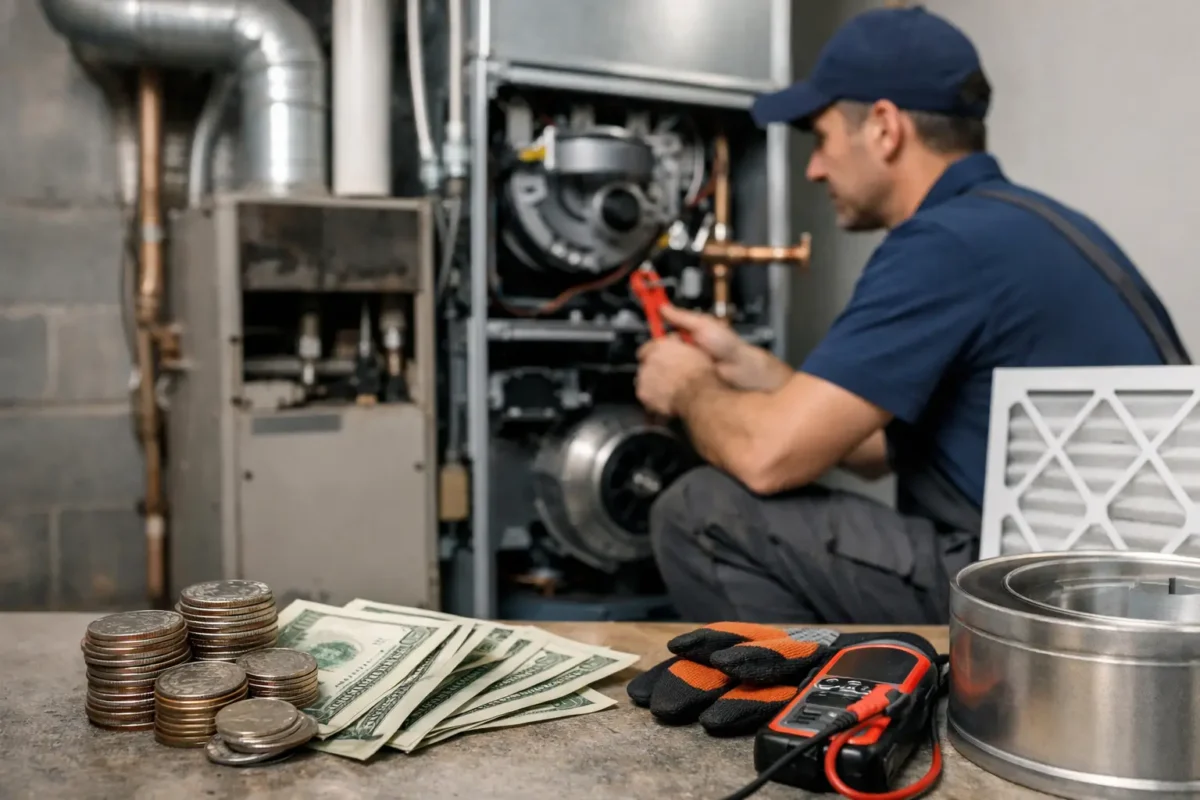
If your furnace is making strange noises, heating unevenly, or pushing your energy bills higher every winter, you’re probably asking the same question most homeowners ask at this point: how much does it cost to replace a heating system? The short answer is that most replacements land somewhere between a few thousand dollars and well over ten thousand, depending on the type of system, your home, and what has to happen during installation.
That wide range can feel frustrating, but there’s a reason for it. Heating replacement is not a one-size-fits-all purchase. The equipment matters, of course, but so do the ductwork, electrical setup, thermostat, efficiency rating, permit requirements, and how well the system matches your home’s size and layout.
How much does it cost to replace a heating system in a home?
For many homeowners, a standard furnace replacement is the most affordable path. If you’re replacing an older gas furnace with a similar model and your existing setup is in good condition, the project may stay on the lower end of the range. If you’re switching to a high-efficiency system, replacing damaged ductwork, or converting to a heat pump, the cost usually rises.
In practical terms, most homeowners can expect something like this: basic furnace replacements often start in the lower thousands, mid-efficiency or higher-performance systems tend to cost more, and full-system upgrades with added electrical or duct modifications can move well into the higher end. Heat pumps often come with a higher upfront price than a basic furnace, but they can offer long-term savings, especially in a climate like San Jose where winters are generally mild.
The best way to think about price is not just equipment cost, but total installed cost. That means the full project from removal of the old unit to testing the new one and making sure it runs safely and efficiently.
What affects the cost the most?
The type of heating system has the biggest impact. Replacing a gas furnace with another gas furnace is usually simpler than converting from one system type to another. A heat pump installation may require different electrical work, different indoor equipment, or thermostat upgrades. If your current setup is old, poorly sized, or no longer up to code, those changes can add to the total.
System size matters too. A larger home typically needs more heating capacity, and bigger systems generally cost more. But bigger is not always better. An oversized unit can short cycle, waste energy, and create comfort problems. A properly sized system based on your home’s square footage, insulation, window quality, and airflow will usually give you better value over time.
Efficiency rating also changes the price. Higher-efficiency systems usually cost more upfront, but they may lower monthly utility bills and reduce wear on the equipment when properly installed. For some households, that trade-off makes sense. For others, especially if they plan to move soon, a mid-range system may be the better fit.
Installation complexity is another major factor. If the replacement is straightforward and your existing venting, gas line, condensate drain, ductwork, and electrical connections are in good shape, the job is typically more predictable. If technicians find aging ducts, poor airflow, unsafe venting, or code issues, the project can become more involved.
Furnace replacement vs. heat pump replacement
For Bay Area homeowners, this comparison comes up often.
A furnace is often the lower upfront-cost option, especially if your home already has a gas heating setup. It can be a practical choice if you want reliable heat without changing much about the existing system. The downside is that it only handles heating. If your air conditioner is also aging, you may still face a separate cooling replacement later.
A heat pump usually costs more initially, but it provides both heating and cooling. In a region like San Jose, where extreme winter temperatures are less common than in colder parts of the country, heat pumps can be especially appealing. They are efficient, all-electric, and can simplify your home comfort system if you’re replacing more than one component at the same time.
That said, not every home is equally ready for a heat pump. Older electrical panels, leaky ductwork, or an existing system layout that wasn’t designed for a heat pump can increase the installation cost. This is why two homes on the same street can get very different quotes.
Hidden costs homeowners don’t always expect
When people look up how much it costs to replace a heating system, they often picture the unit itself and little else. In reality, several supporting items can affect the final price.
Ductwork is a common one. If your ducts are leaking, poorly sized, or damaged, simply installing new equipment may not solve your comfort problem. You could still end up with uneven rooms, weak airflow, and higher energy use. Sometimes a repair is enough. In other cases, partial or full duct replacement is the smarter investment.
Permits and code compliance can also add to the project, but they are not optional extras. Proper permits help ensure the work is completed safely and to local standards. If a contractor skips them to make the quote look cheaper, the savings can disappear quickly if problems show up later.
Thermostats, filtration upgrades, venting changes, and electrical improvements may also be part of the job. These items are not always expensive on their own, but together they can move the total higher than expected.
When a low quote is not the best deal
It’s natural to compare estimates, but the cheapest option is not always the one that saves you money.
A lower bid may leave out necessary work, use lower-quality equipment, or skip steps that affect performance and longevity. Poor installation can lead to noisy operation, hot and cold spots, rising utility bills, and repeat service calls. That is why upfront pricing matters. You want to know what is included, what could change, and why.
A trustworthy quote should explain the recommended system, the scope of work, labor, materials, and any conditions that might affect the final cost. Homeowners deserve clarity, especially for a major investment like heating replacement.
How to keep heating replacement costs under control
The goal is not always to find the absolute lowest number. It’s to get the right system for your home without paying for avoidable mistakes.
Start with proper sizing. A contractor should evaluate your home rather than guess based on the old unit. If the previous system was oversized or undersized, replacing it with the same capacity could repeat the problem.
Next, think about your long-term plans. If you expect to stay in your home for years, a more efficient system may offer better value. If this is a shorter-term property decision, a reliable mid-range option may make more financial sense.
It also helps to replace equipment before it fully fails. Emergency replacement often means making a fast decision under pressure, sometimes during the coldest stretch of the season. Planning ahead gives you more options and time to compare recommendations.
Is it better to repair or replace?
That depends on the age of the system, the repair history, and the cost of fixing it.
If your heating system is relatively new and the issue is isolated, a repair may be the smart move. But if the unit is older, repairs are becoming more frequent, and efficiency is slipping, replacement can be the more cost-effective option. A common rule of thumb is that when repair costs start stacking up on an aging system, putting more money into it may only delay the inevitable.
Homeowners often reach the replacement point when comfort problems show up along with repair issues. Maybe some rooms never warm up, the system runs longer than it used to, or the monthly bill keeps climbing. At that stage, replacement is not just about fixing a breakdown. It’s about improving comfort, efficiency, and peace of mind.
What Bay Area homeowners should keep in mind
In San Jose and surrounding communities, energy efficiency and year-round comfort usually go hand in hand. Mild winters can make heat pumps an attractive option, while older homes may need extra attention to ductwork and airflow. Local permit requirements, home age, and existing infrastructure all affect the final number.
That’s why the most accurate answer to how much does it cost to replace a heating system comes from an in-home evaluation, not an online calculator alone. A good contractor will look at the whole picture, explain your options clearly, and give you pricing that reflects the work your home actually needs.
At HVAC DOME, that means straightforward recommendations, licensed technicians, and pricing you can understand before the work begins. If your current system is struggling, the right replacement should leave you with more than just heat. It should leave you feeling confident every time the temperature drops.
A heating system is one of those upgrades you feel every day once it’s done right. Better airflow, steadier temperatures, lower stress, and fewer surprises are worth building into the decision from the start.