
What Size Water Heater Do I Need?

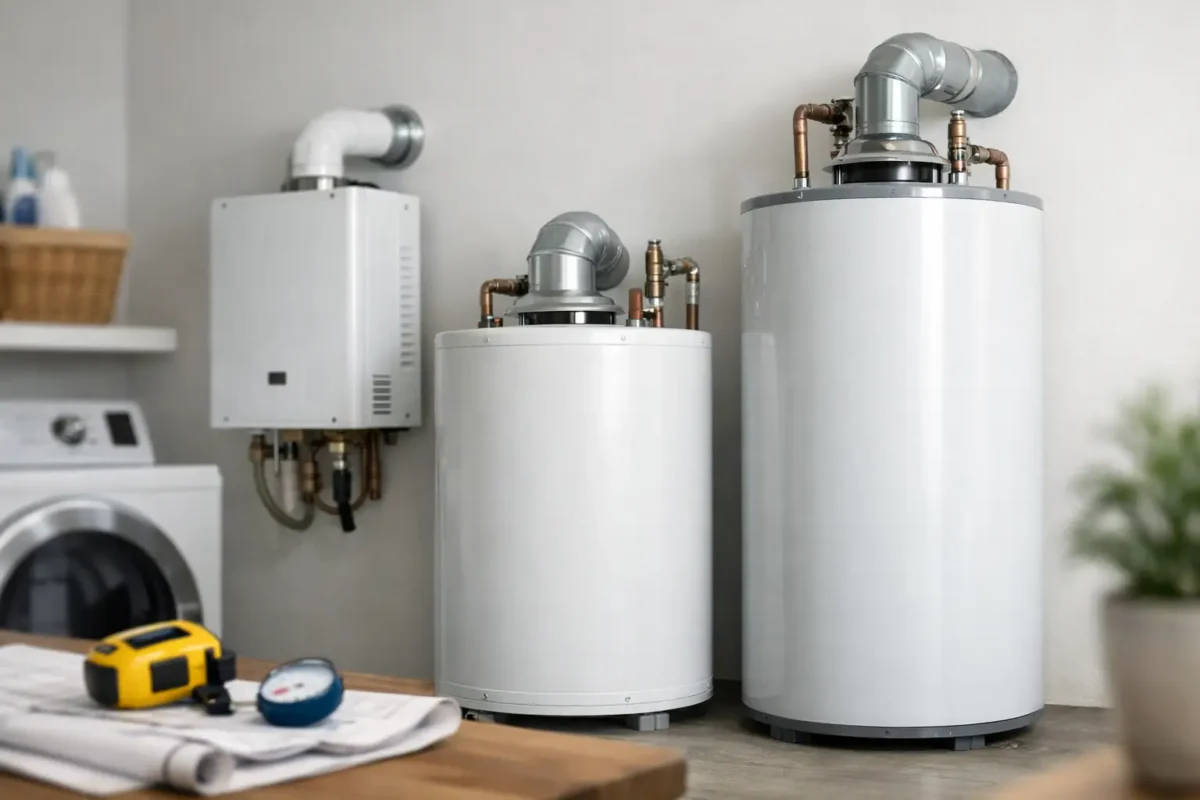
Running out of hot water halfway through a shower usually sends homeowners to the same question: what size water heater do I need? The answer is not just about square footage or picking the biggest unit you can afford. A properly sized water heater should match your household’s actual hot water use, so you get dependable comfort without overpaying for equipment or energy.
That matters even more in busy Bay Area homes, where mornings can mean back-to-back showers, laundry, and dishwashing all happening within the same hour. If your water heater is too small, you will feel it every day. If it is too large, you may spend more than necessary on both installation and utility bills.
What size water heater do I need for my home?
For most homes, the right size depends on two things: how many people live there and how much hot water gets used at the same time. A one-bath home with two occupants has very different needs than a four-person household with multiple bathrooms and frequent laundry loads.
If you are choosing a traditional tank water heater, sizing is usually based on tank capacity and something called first-hour rating. Tank capacity tells you how many gallons the unit stores. First-hour rating tells you how many gallons of hot water it can deliver during a high-demand hour, which is often the more useful number.
As a general rule, a 30- to 40-gallon tank may work for one to two people. A 40- to 50-gallon tank often fits two to four people. A 50- to 80-gallon tank is common for larger households or homes with high simultaneous demand. Those numbers are a starting point, not a guarantee. A household with long showers and a large soaking tub may need more capacity than the occupancy count suggests.
For tankless water heaters, the sizing method is different. Instead of gallons stored, the focus is flow rate, measured in gallons per minute, along with temperature rise. In simple terms, the unit must heat enough water fast enough to serve your fixtures when they are running at the same time.
How to size a tank water heater
The easiest way to think about a tank water heater is to picture your busiest hour of hot water use. That is usually the window that reveals whether a system is truly sized well.
Let’s say two people shower in the morning while the dishwasher is running. A standard showerhead might use around 2 gallons per minute, and a dishwasher uses hot water in shorter cycles. If that overlap happens often, the tank needs to recover quickly enough to keep up, not just hold water.
This is where first-hour rating matters. A 50-gallon tank does not simply provide 50 gallons and then stop. It heats incoming water as it goes. A higher first-hour rating means better performance during busy periods.
Here is a practical way to estimate needs:
- 1 to 2 people: usually 30 to 40 gallons
- 2 to 3 people: usually 40 to 50 gallons
- 3 to 4 people: usually 50 to 60 gallons
- 5 or more people: usually 60 to 80 gallons
That estimate should be adjusted if your home has a large tub, multiple bathrooms used at once, or heavy laundry demand. It can also shift if your household prefers very short showers and spreads water use throughout the day.
What size tankless water heater do I need?
If you are asking what size water heater do I need and you are considering tankless, you need to know your peak gallons per minute. In many homes, this is more important than the number of occupants.
A shower may need about 2 gallons per minute. A bathroom faucet may use 0.5 to 1 gallon per minute. A dishwasher or washing machine can add to the load, depending on the cycle. If two showers and a sink may run at once, you could need 4.5 to 5 gallons per minute or more.
Then there is temperature rise, which is the difference between incoming cold water and your desired hot water temperature. In Northern California, groundwater temperatures are generally milder than in colder parts of the country, which can help tankless performance. Even so, the unit must still be sized correctly for your home’s peak demand.
A tankless water heater that is too small will not usually run out of hot water the way a tank does. Instead, you may notice reduced flow or lukewarm water when multiple fixtures are in use. That can be frustrating if your household expects to run several hot water sources at once.
The factors homeowners often miss
Occupancy is only part of the picture. Real sizing should also account for how your household lives.
If one person showers at 6 a.m. and another at 9 a.m., your demand is spread out. If four people get ready within the same 45 minutes, your water heater needs to work much harder. Homes with teenagers, frequent guests, or work-from-home schedules often have more daytime demand than expected.
Appliances matter too. Newer dishwashers and washing machines are often more efficient, but usage patterns still affect demand. A family that runs laundry daily will place different demands on a system than one that does several loads on weekends.
Bathroom count can also be misleading. A three-bath home is not always a high-demand home, but if those showers are used at the same time, the water heater must be sized for that reality. The same is true for luxury features like rain showers or oversized tubs, which can quickly outpace a marginal system.
Bigger is not always better
Many homeowners assume upsizing is the safest move. Sometimes it is. Often, it just raises costs.
An oversized tank water heater can cost more upfront, take up more space, and increase standby heat loss. That means you may pay to keep extra water hot even when you are not using it. With tankless systems, oversizing can also mean spending more than needed on equipment and installation.
The better goal is not maximum size. It is the right size for comfort, efficiency, and reliability. That balance usually delivers the best long-term value.
When replacement is the right time to rethink size
If your current water heater has always struggled, replacing it with the same size may repeat the same problem. On the other hand, if your kids moved out and your household is smaller now, you may not need the same capacity you once did.
A replacement is a good time to look at current water use, not just what was installed years ago. Your next system should fit how you live today. It should also reflect whether you want lower operating costs, more consistent hot water, or a smaller equipment footprint.
This is also the moment to consider fuel type, energy efficiency, and available space. Gas and electric models can perform differently, and the installation setup may influence which options make the most sense in your home.
Should you choose tank or tankless?
There is no one-size-fits-all winner. A traditional tank water heater is often more affordable upfront and can be a solid fit for households with predictable hot water use. Tankless systems appeal to homeowners who want energy savings, space efficiency, and long hot water runs, but the upfront investment is usually higher.
The trade-off comes down to your priorities. If budget is the main concern, a well-sized tank may be the smarter choice. If you want a more modern, high-efficiency setup and your household benefits from endless hot water, tankless may be worth a closer look.
The key in either case is sizing it correctly. Even a premium model will disappoint if it is not matched to your actual demand.
A simple way to get closer to the right answer
Before choosing a unit, think about your busiest hour and count the hot water events that often overlap. Consider how many showers run, whether laundry happens at the same time, and if the dishwasher is part of the routine. That quick review usually reveals more than household size alone.
If you want a rough benchmark, many average households do well with a 40- to 50-gallon tank or a properly sized tankless unit designed for two simultaneous hot water uses. But average is not the same as accurate. Homes with higher demand may need more, while efficient, lower-demand homes may need less.
For homeowners in San Jose and nearby communities, professional sizing is often the easiest way to avoid guesswork. A licensed technician can look at fixtures, occupancy, fuel type, and usage patterns and recommend a system that gives you reliable hot water without unnecessary cost. HVAC DOME helps homeowners make that decision with straightforward guidance, upfront pricing, and solutions built around real household comfort.
If your water heater is aging, undersized, or simply not keeping up, the right replacement should make daily life easier, not more complicated. Hot water should be there when you need it, and choosing the right size is how that starts.