
When Should I Replace My Furnace?

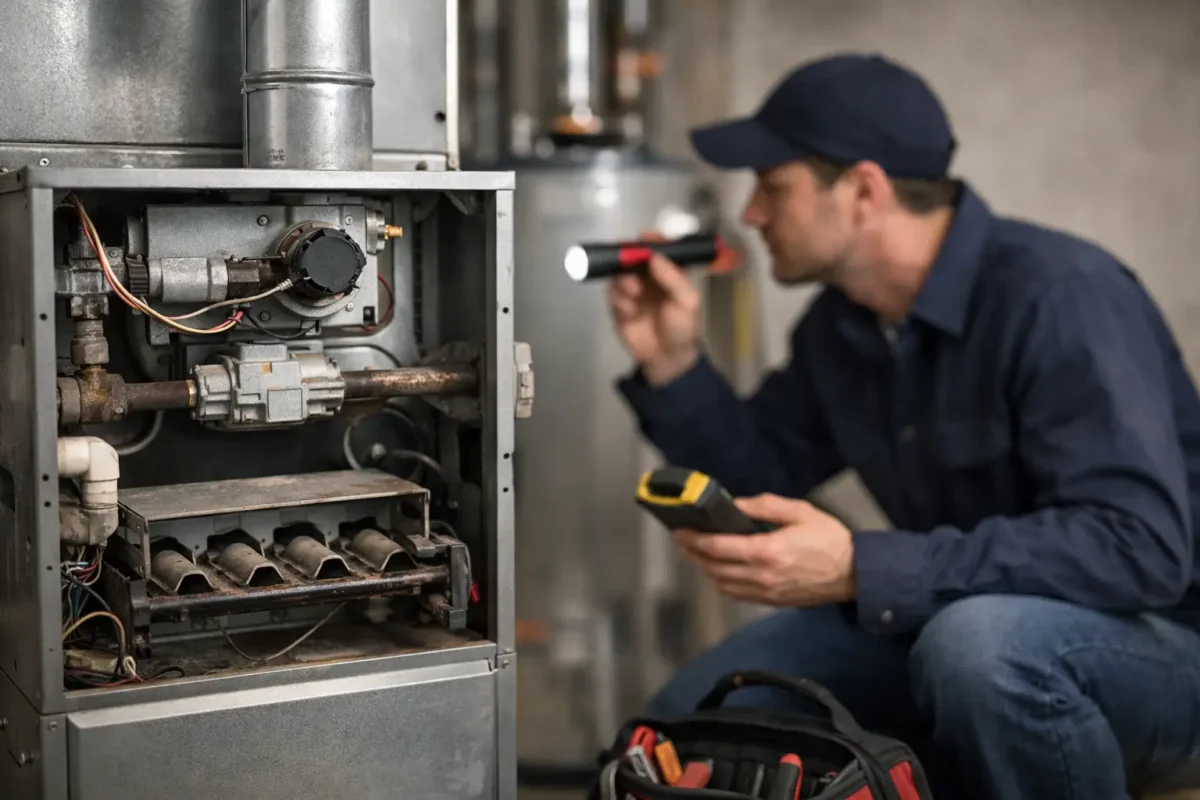
That question usually comes up on a cold morning when the heat is running, but the house still feels off. If you are asking, when should I replace my furnace, there is a good chance your system has already given you a few warnings. The real decision is not just whether it still turns on. It is whether it is still safe, efficient, and worth the money you are putting into it.
For homeowners in San Jose and nearby Bay Area communities, furnace replacement is rarely about age alone. A newer unit can still be a problem if it was poorly installed or oversized. An older furnace might keep going for a while if it has been maintained well. What matters most is the full picture – repair history, heating performance, utility costs, indoor comfort, and peace of mind.
When should I replace my furnace instead of repairing it?
A repair makes sense when the issue is isolated, affordable, and unlikely to lead to another service call next month. Replacing the system makes more sense when breakdowns are becoming routine or the furnace is no longer delivering dependable heat.
One of the clearest signs is age. Most gas furnaces last around 15 to 20 years. If your furnace is in that range and starting to struggle, replacement is often the smarter long-term choice. You may be able to repair it once more, but older systems usually become more expensive to keep alive, and replacement parts can be harder to find.
Frequent repairs are another major clue. If you have had multiple service calls in the past two years, your furnace may be entering the stage where one fix leads to another. Homeowners often spend money piece by piece, hoping to avoid replacement, only to end up paying more overall. At a certain point, putting more money into an aging system stops being the budget-friendly option.
Efficiency matters too. Older furnaces burn more fuel to produce the same amount of heat. If your winter utility bills have climbed even though your usage habits have not changed much, your system may be working harder than it should. That extra strain usually means more wear, less comfort, and higher monthly costs.
The warning signs homeowners should not ignore
Some furnace problems are obvious. Others show up gradually, which is why replacement decisions often get delayed. A few symptoms deserve immediate attention.
If certain rooms stay cold while others overheat, your furnace may be losing capacity or struggling to distribute air properly. Ductwork can also play a role, but uneven heating often points to a system that is no longer performing as designed.
Strange noises matter. Banging, rattling, screeching, or booming sounds are not normal. Sometimes the fix is simple. Sometimes those noises signal mechanical wear, burner problems, or airflow issues that make replacement worth discussing.
A yellow burner flame instead of a steady blue one can indicate combustion problems. If you suspect a gas or carbon monoxide issue, that is not a wait-and-see situation. Shut the system down and call for professional help right away. Safety always comes before squeezing another season out of an old unit.
You should also pay attention to dust, dry air, and a noticeable drop in indoor air quality. Furnaces do more than heat the home. They affect airflow and comfort throughout the house. When a system starts performing poorly, you often feel it in more ways than temperature alone.
How old is too old for a furnace?
There is no single age where every furnace must be replaced, but once a unit passes 15 years, it is wise to start planning ahead. After 20 years, replacement becomes much easier to justify, especially if the system is showing any decline in reliability or efficiency.
This does not mean every 16-year-old furnace is on its last leg. Some systems age well. Others do not. The difference often comes down to maintenance history, installation quality, filter changes, and how hard the system has had to work over time.
In the Bay Area, heating demand is lighter than in colder climates, which can help some furnaces last longer. But that does not erase wear. Components still fail, efficiency still drops, and older systems still become more costly to operate. Even if your furnace is not running every day all winter, age-related issues can still catch up with it.
Repair vs. replace: the cost question
Most homeowners are not asking only when should I replace my furnace. They are really asking when replacement becomes the financially sound choice.
A common rule of thumb is to look at the repair cost in relation to the age of the furnace. If a major repair is needed on an older system, replacement is often the better investment. For example, replacing a heat exchanger, blower motor, or control board on a furnace near the end of its lifespan may not make sense if another failure is likely soon.
There is also the hidden cost of delay. An inefficient furnace can raise your utility bills month after month. Repeated breakdowns can mean emergency calls, short-term discomfort, and more time spent managing a problem that will not really go away. Choosing replacement before a total failure gives you more control over timing, equipment options, and scheduling.
That said, not every repair means you need a new furnace. If your system is under 10 years old and the problem is minor, repair is often the right move. The goal is not to replace equipment too early. It is to avoid spending money reactively on a system that is no longer dependable.
Best time of year to replace a furnace
If your furnace has not failed yet, replacing it before peak winter demand can save stress. Fall is often an ideal time because scheduling is usually easier and you can address the problem before cold weather exposes it.
A planned replacement also gives you time to evaluate energy-efficient options, think about indoor comfort goals, and avoid emergency decisions. That matters because rushed replacements are rarely the most comfortable ones for homeowners. When the heat is out, the priority becomes speed, not necessarily the best system fit.
If your furnace does fail in winter, replacement may still be the right call. It just becomes a more urgent project. Working with a responsive local HVAC company can make that process much smoother.
Should you replace the furnace if you are also upgrading AC?
In many homes, it makes sense to look at the full HVAC system rather than treating each piece separately. If your air conditioner is also aging, replacing both systems together can improve efficiency, airflow, and overall compatibility.
This is especially relevant if you are considering changes to ductwork, thermostat controls, or moving to a heat pump-based setup. A matched system can perform better and may reduce future labor costs compared with replacing components one at a time.
Still, it depends on the condition of each unit. If your AC is relatively new and your furnace is clearly failing, replacing only the furnace may be perfectly reasonable. The right recommendation should be based on your home, your equipment, and your budget, not a one-size-fits-all pitch.
What to expect from a modern furnace
A new furnace should give you more than just heat. You should notice steadier temperatures, quieter operation, and lower energy use compared with an outdated unit. Many homeowners also appreciate better airflow and more responsive temperature control.
Modern systems can be sized more accurately for the home, which helps avoid short cycling and uneven comfort. If installation is done correctly, replacement can solve problems you may have assumed were just part of living in the house.
That is one reason professional evaluation matters so much. A furnace is only as good as the design, sizing, and installation behind it. HVAC DOME works with homeowners who want straightforward recommendations, upfront pricing, and dependable service rather than guesswork.
When should I replace my furnace if it still works?
If it still runs but shows clear signs of decline, replacing it before failure can be the most practical move. Waiting until it completely stops may feel like getting every last dollar out of the system, but it can also leave you dealing with a no-heat emergency at the worst time.
If your furnace is 15 to 20 years old, needs frequent repairs, causes rising utility bills, heats unevenly, or raises safety concerns, it is time to seriously consider replacement. If it is newer, reliable, and the repair is minor, you may still have good years left.
The best next step is not guessing. It is having the system evaluated honestly so you can compare repair costs, efficiency, expected lifespan, and replacement options with real numbers. A good decision should leave you with confidence, not just temporary heat.
Your furnace does not have to completely fail before you act. Sometimes the smartest time to replace it is when you still have enough time to do it on your terms.