
How to Prepare HVAC for Summer in 9 Steps

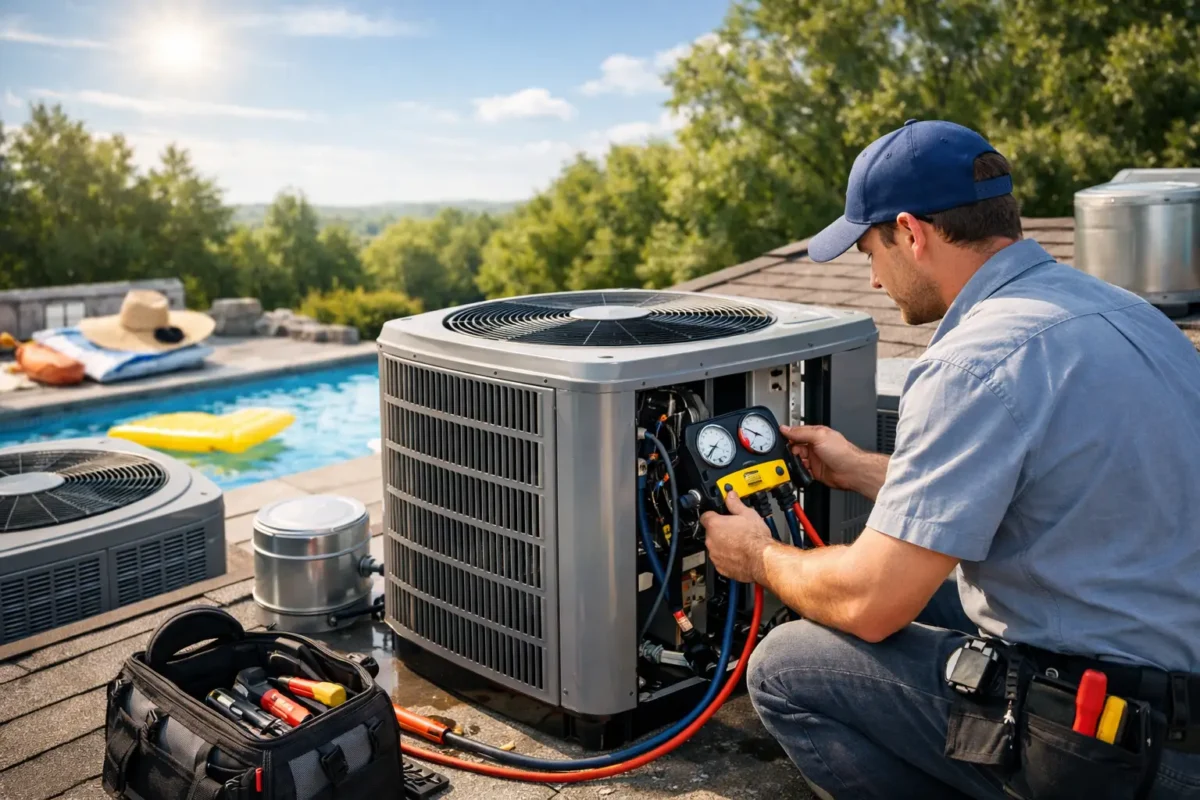
A hot afternoon in San Jose is a poor time to find out your air conditioner has been working with a clogged filter, a blocked outdoor unit, or a thermostat that is not calling for cooling correctly. Knowing how to prepare HVAC for summer before the first serious heat wave gives your system a better chance of keeping every room comfortable while helping you avoid an urgent repair call.
Bay Area summers can bring long stretches of warm weather, especially inland and in homes with west-facing windows or upstairs bedrooms. A little seasonal attention now can improve airflow, control energy use, and reveal small issues before they become inconvenient ones.
How to Prepare HVAC for Summer Before the Heat Arrives
The best preparation combines a few safe homeowner tasks with a professional tune-up. Homeowners can handle simple cleaning and observation. A licensed technician should handle electrical components, refrigerant, motors, condensate drainage, and the detailed checks that affect safety and performance.
1. Replace or clean the air filter
Your HVAC filter is a small part with a large effect on comfort. When it is loaded with dust, pet hair, or pollen, the system has to work harder to pull air through. That can reduce airflow at supply vents, make rooms cool unevenly, and increase operating costs.
Check the filter before cooling season and replace it if it looks gray, dusty, or visibly clogged. Most one-inch filters need attention every one to three months, though households with pets, allergies, construction dust, or frequent system use may need more frequent changes. If your system uses a washable filter, clean it according to the manufacturer’s instructions and allow it to dry fully before reinstalling it.
Avoid choosing the densest filter available without checking your equipment requirements. Very high-efficiency filters can restrict airflow in some residential systems. The right filter balances air quality needs with the airflow your HVAC system is designed to handle.
2. Clear space around the outdoor condenser
Your outdoor AC condenser needs open space to release heat. Leaves, grass clippings, weeds, patio furniture, storage bins, and overgrown shrubs can trap heat around the unit and force it to run longer than necessary.
Turn off power at the outdoor disconnect before doing any nearby cleaning. Remove loose debris from around the unit and maintain roughly two feet of clear space on all sides where possible. Trim back vegetation that is pressing against the coil or blocking airflow above it.
Do not use a pressure washer on the coil fins. They bend easily, and damaged fins restrict airflow. A gentle rinse with a garden hose may be appropriate for surface dirt, but heavy buildup, bent fins, or greasy residue is better left to a technician during maintenance.
3. Test the thermostat on a mild day
Set your thermostat to cooling mode and lower the set temperature a few degrees below the current room temperature. Within a few minutes, you should hear the system start and feel cool air coming from the vents. Let it run long enough to confirm that it cycles normally and that the temperature in the home begins to drop.
If the thermostat screen is blank, replace the batteries if applicable. If it is programmable or smart, review the schedule before summer starts. A thermostat that automatically raises the temperature while the home is empty and returns it to a comfortable setting before you arrive can reduce unnecessary runtime.
For many households, a summer setting around 78 degrees while home is a reasonable starting point. Personal comfort, insulation, humidity, sun exposure, and household health needs all matter, so there is no single perfect setting. The goal is a stable, comfortable temperature without asking the system to recover from extreme setbacks every day.
4. Open and inspect supply and return vents
Walk through the home and make sure supply registers and return grilles are not blocked by rugs, sofas, curtains, or boxes. Closing off many vents to force cooling into one room usually does not work as intended. It can disrupt the airflow balance the system needs and may create pressure problems in ductwork.
Vacuum visible dust from grilles and make note of rooms that feel consistently warmer, cooler, stuffier, or weaker in airflow than the rest of the home. These clues can point to duct leakage, insufficient return air, thermostat placement issues, insulation gaps, or equipment sizing concerns.
A little temperature variation between rooms is common. A dramatic difference, especially in a second-story bedroom or recently remodeled space, deserves a professional assessment rather than a guesswork fix.
5. Check the condensate drain area
Air conditioning removes moisture from indoor air, and that water exits through a condensate drain. A clogged drain line can lead to water near the indoor unit, musty odors, high humidity, or a system shutdown if a safety switch is installed.
Look around the indoor air handler, furnace cabinet, or closet for standing water, staining, corrosion, or an unusual damp smell. If you can safely identify the outdoor drain outlet, confirm that water flows while the AC operates. Do not pour harsh chemicals into the system or take apart drain components unless you know exactly how they are configured.
If water is present where it should not be, schedule service promptly. A small drainage issue is usually easier to correct before it affects ceilings, flooring, or electrical components.
6. Listen for changes in the system
Your air conditioner should not be silent, but it should sound familiar. Pay attention to new rattling, grinding, buzzing, repeated clicking, squealing, or loud vibration. Also watch for frequent short cycling, where the system turns on and off every few minutes without adequately cooling the home.
These symptoms can have several causes, from a loose panel or dirty component to an electrical issue or failing motor. Continuing to run the system without a diagnosis can turn a manageable repair into a more costly one. If you hear a strong electrical buzzing sound, smell burning, or see a tripped breaker, turn the system off and call a qualified HVAC professional.
7. Look for signs of ductwork trouble
Conditioned air can be lost before it reaches the rooms where you need it. In attics, crawl spaces, garages, and older homes, disconnected or damaged ducts may send cooled air into unconditioned areas instead of living spaces.
Visible tears, loose connections, crushed flexible ductwork, and poorly sealed joints should be addressed professionally. You may also notice dusty rooms, uneven temperatures, excessive runtime, or weak airflow at distant vents. Duct repairs and properly designed improvements can make a noticeable difference, but only when the underlying issue is identified correctly.
Schedule Professional AC Maintenance
A seasonal maintenance visit is the most reliable part of summer preparation. A trained technician can inspect areas homeowners should not service themselves, including electrical connections, capacitors, refrigerant performance, blower operation, coil condition, safety controls, and overall cooling output.
Professional maintenance is not a promise that a system will never fail. Age, wear, manufacturer defects, and unexpected electrical problems can still occur. It does, however, give you an opportunity to catch declining parts, airflow restrictions, drainage problems, and efficiency losses before peak-season demand makes a breakdown more stressful.
For older equipment, ask direct questions about its condition. Is the repair urgent? Is it likely to improve reliability? Are there signs the system is nearing replacement? A dependable contractor should explain the options clearly, provide upfront pricing, and help you weigh repair costs against efficiency, expected lifespan, and your family’s comfort needs.
Small Home Changes That Reduce Summer Strain
Your HVAC system does not work alone. Close blinds or curtains on sunny windows during the hottest part of the day, particularly on west- and south-facing exposures. Use bathroom and kitchen exhaust fans only as needed, since they pull conditioned air out of the home. Ceiling fans can also help occupants feel cooler, allowing a slightly higher thermostat setting.
Check weatherstripping around exterior doors and look for obvious gaps around windows. In many Bay Area homes, reducing direct solar heat and air leaks can make a noticeable difference in how long the AC runs. If your attic is extremely hot or insulation is thin, discuss the home as a whole with a professional rather than expecting an AC replacement alone to solve every comfort issue.
When to Call for Help Right Away
Do not wait for a maintenance appointment if your AC will not start, blows warm air, leaks water, freezes over, trips breakers, produces burning odors, or makes loud mechanical noises. These are not problems to solve by repeatedly resetting the thermostat or breaker.
HVAC DOME provides reliable, comfort-focused service for San Jose homeowners who need a clear diagnosis and practical options. Whether your system needs a seasonal tune-up, an airflow repair, or guidance on replacing outdated equipment, timely attention can protect your comfort when the temperatures rise.
A prepared HVAC system gives you more than cool air. It gives you one less household surprise to manage when summer is already asking enough of your home.