
Why Is My Heater Short Cycling? Causes and Fixes

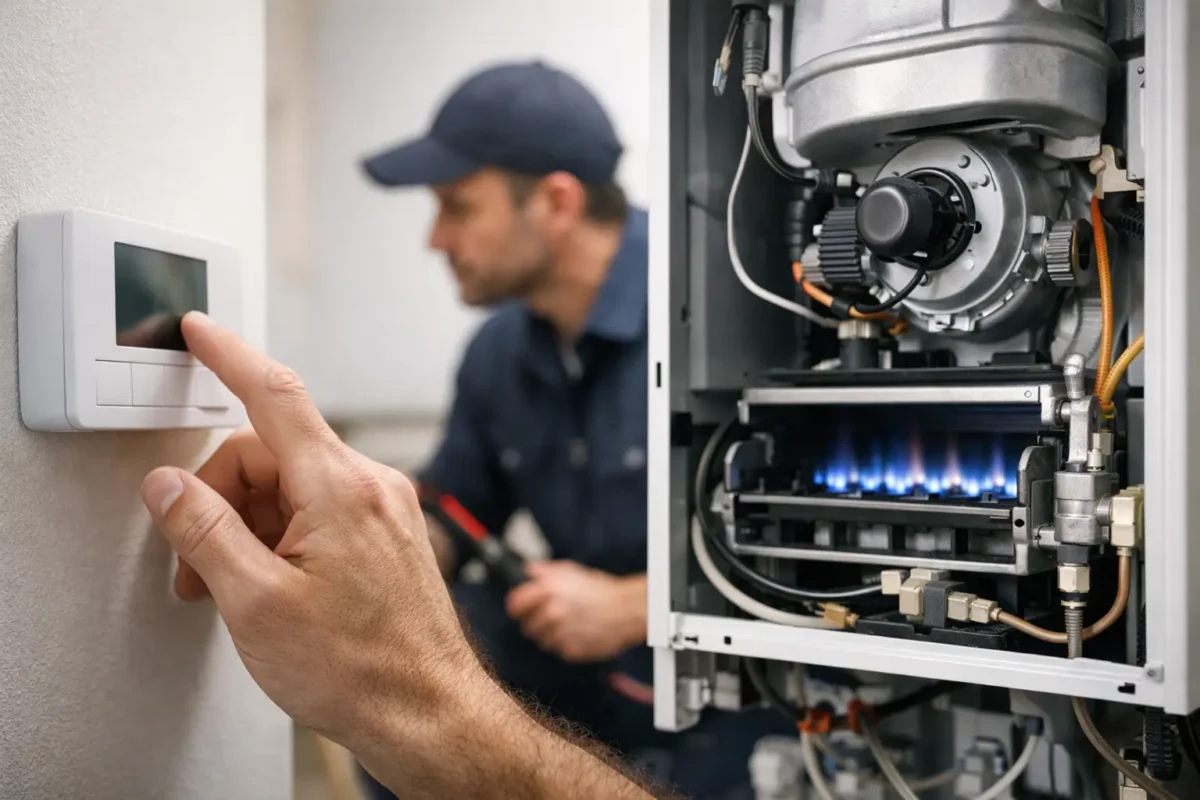
A heater that starts, runs for a few minutes, shuts off, then starts again can make a San Jose home feel frustratingly uneven. If you are asking, “why is my heater short cycling,” the system is usually responding to a problem with airflow, temperature sensing, equipment sizing, or a failing component. It is not something to ignore. Repeated short cycles can raise energy bills, wear down parts, and leave your family without dependable heat when temperatures drop.
Why Is My Heater Short Cycling?
A normal heating cycle lasts long enough to bring your home close to the temperature set on the thermostat. The exact runtime depends on outdoor conditions, insulation, and the type of system you own, but a furnace or heat pump that shuts off after two to five minutes and restarts repeatedly is not operating as it should.
Short cycling is the name for this stop-and-start pattern. In some cases, the system is shutting down as a safety measure. In others, it is receiving incorrect information or cannot move enough air through the home. The cause can be simple, such as a clogged air filter, or more involved, such as an oversized heater or an internal control issue.
A brief cycle may be normal after adjusting the thermostat or during mild Bay Area weather, when your home reaches the set temperature quickly. What matters is the pattern. If it happens repeatedly, your rooms are not staying comfortable, or your heating costs have jumped, it is time to investigate.
Start With the Safe, Simple Checks
Before scheduling service, there are a few homeowner checks that can rule out common issues. Turn the thermostat to heat and set it several degrees above the current room temperature. Confirm that it is set to “heat,” not “auto” or “cool,” and that the fan setting is on “auto.” A fan set to “on” can keep circulating unheated air after the burner or heating cycle stops, which sometimes feels like a heating problem.
Next, check the air filter. A dirty filter restricts airflow, causing a furnace to overheat and activate a safety limit switch. The system then turns off, cools down, and tries again. This is one of the most common and most preventable reasons for short cycling. Replace a visibly dirty filter with the correct size and type recommended for your system.
Make sure supply vents and return grilles are open and unobstructed. Furniture, rugs, closed interior doors, and heavy dust buildup can limit airflow. Avoid closing numerous vents to force heat into selected rooms. Central heating systems are designed around balanced airflow, and closing too many registers can create pressure problems that contribute to overheating.
If your thermostat uses batteries, replace them. Also look for obvious placement concerns. A thermostat located near a sunny window, fireplace, kitchen, drafty exterior door, or supply vent may sense a temperature that does not represent the rest of your home.
Common Causes That Need Professional Attention
A dirty flame sensor or burner problem
For gas furnaces, the flame sensor confirms that the burners are operating safely. If the sensor is dirty or failing, it may not detect the flame even when the burners ignite correctly. The furnace shuts off to prevent gas from continuing to flow without a verified flame, then attempts another startup cycle.
Homeowners may notice the furnace begin normally, produce heat briefly, and shut down within seconds or a couple of minutes. Flame sensor cleaning and burner diagnostics should be handled by a licensed HVAC technician. Gas heat requires careful testing to confirm safe operation.
An overheating furnace
Restricted airflow is not the only reason a furnace overheats. Blower motor problems, a dirty evaporator coil, damaged ductwork, or a failing limit switch can all disrupt the system’s ability to distribute heat. The high-limit switch is designed to shut the burners off when internal temperatures become unsafe. That safety feature protects the equipment, but it does not solve the underlying cause.
Continuing to reset or run an overheating furnace can lead to more expensive repairs. If you have installed a clean filter and confirmed vents are open but cycling continues, professional diagnosis is the right next step.
A thermostat or control board issue
A thermostat can short cycle a heater by sending the wrong signal, losing its connection, or reading temperatures inaccurately. Loose wiring, incorrect thermostat settings, and incompatible smart thermostat installations can also contribute.
The thermostat is not always the culprit, even when it appears to be. Furnace control boards, relays, sensors, and wiring can create similar symptoms. A technician can test the full communication path instead of replacing parts based on guesswork.
An oversized heating system
A heater that is too large for the home may heat the thermostat area very quickly, shut off, and repeat the process before warmth reaches other rooms. This can happen after a replacement system was selected based on the old unit’s size rather than a proper load calculation.
Bigger is not automatically better in heating. Oversized equipment may have a lower upfront installation complexity, but it often sacrifices comfort, efficiency, and long-term reliability. Correct sizing accounts for square footage, insulation, window exposure, duct design, ceiling height, and local climate conditions.
Ductwork and airflow problems
Leaky, crushed, undersized, or poorly designed ducts can prevent heated air from reaching living spaces efficiently. The heater may build up heat near the equipment while rooms farther away stay cold. Return duct restrictions can be especially hard on a furnace because the system cannot pull in enough air to operate within its intended temperature range.
Ductwork concerns are easy to miss because much of the system is hidden in attics, crawl spaces, or walls. Signs include hot and cold rooms, weak airflow, unusually loud ducts, dusty conditions, and cycling that continues despite a clean filter.
Heat pump-specific issues
If your home has a heat pump, short cycling can have different causes. Low refrigerant, a malfunctioning reversing valve, a failing outdoor unit component, or a defrost-cycle problem may be involved. Heat pumps can pause or change operation during defrost mode in cold, damp conditions, but frequent rapid cycling is not a normal defrost pattern.
Do not try to add refrigerant or work on electrical components yourself. Heat pump repairs require specialized equipment and testing, and refrigerant issues should be addressed promptly to protect the compressor.
When Short Cycling Is an Urgent Safety Concern
Turn off the heater and seek professional help promptly if you smell gas, notice burning odors that do not fade quickly, hear booming or banging at startup, see soot around the unit, or experience repeated breaker trips. If a carbon monoxide alarm sounds, get everyone outside, call emergency services, and do not reenter until authorities say it is safe.
A yellow or flickering furnace flame can also signal a combustion concern. A healthy gas furnace flame is typically steady and blue. Do not remove panels or attempt to inspect burners while the system is operating.
What a Professional Heater Inspection Should Find
A proper short-cycling diagnosis is more than replacing a filter and hoping for the best. A licensed technician should evaluate thermostat operation, air filter condition, blower performance, safety switches, ignition sequence, flame sensing, venting, electrical connections, and temperature rise across the furnace. For heat pumps, testing may also include refrigerant pressures, defrost controls, compressor performance, and outdoor unit operation.
This process matters because several problems can create the same symptom. For example, an overheated furnace might point to a clogged filter, but it could also indicate a weak blower motor or restricted return duct. Accurate testing protects you from paying for a part that does not resolve the issue.
For older systems, the technician may also discuss whether repair remains the practical choice. A repair can be the right answer when the issue is isolated and the equipment is otherwise dependable. If breakdowns are recurring, efficiency is poor, or a major component has failed, a properly sized replacement may provide more reliable comfort and more predictable energy use.
Protect Your Heater From Future Short Cycling
Regular maintenance gives your heating system the best chance of completing normal cycles. Change filters on schedule, keep vents and return grilles clear, and arrange professional maintenance before the cooler season. Annual service can catch dirty sensors, worn electrical parts, airflow restrictions, and combustion issues before they interrupt your comfort.
If your heater is cycling on and off, do not settle for turning up the thermostat and hoping it improves. A prompt inspection can protect your equipment, lower the risk of a no-heat emergency, and help your home stay comfortable room to room. HVAC DOME provides dependable heating diagnostics with upfront pricing and licensed technicians, so you can move from guesswork to a clear path forward.