
Why Is My AC Leaking Water at Home?

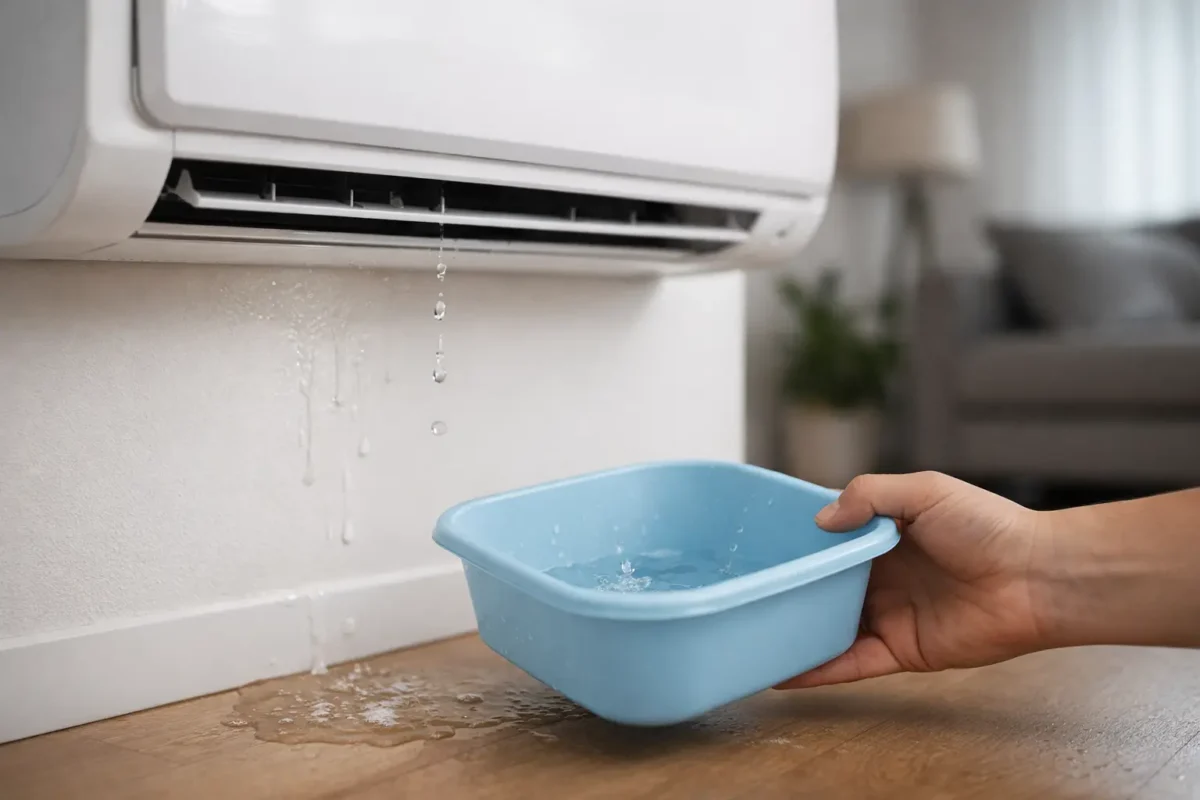
You notice a small puddle near the indoor unit, maybe a ceiling stain, or water dripping where it definitely should not be. If your first thought is, why is my AC leaking water, you are asking the right question early – and that matters. A leaking air conditioner is often a warning sign that something inside the system is clogged, dirty, frozen, damaged, or improperly installed.
Some AC moisture is completely normal. Your system removes humidity from the air as it cools your home, and that water is supposed to drain away through a condensate line. When everything is working properly, you never see it. When you do see water, the issue is usually not that your AC is making moisture. The issue is that the moisture is not going where it should.
Why is my AC leaking water from the indoor unit?
In most homes, the leak starts at the indoor air handler, evaporator coil area, or drain pan. The most common culprit is a clogged condensate drain line. Dust, algae, sludge, and debris can build up in that line over time. Once the blockage gets bad enough, water backs up and spills out around the unit instead of draining outside or into the proper plumbing connection.
Another common cause is a dirty air filter. When airflow is restricted, the evaporator coil can get too cold and freeze. Then, when the ice melts, the drain system may not be able to handle the sudden amount of water. Homeowners are often surprised by this because the leak can show up long after the actual freezing started.
A cracked or rusted drain pan can also be to blame, especially in older systems. If the pan is damaged, even normal condensation can drip into places it should not. This is one of those problems that may start small and then turn into drywall damage, flooring issues, or mold concerns if it keeps getting ignored.
Low refrigerant is another possibility. A system with low refrigerant can cause pressure changes that make the evaporator coil run too cold and freeze up. The leak you see is then the result of thawing ice, not just ordinary condensation. This is not a DIY situation because refrigerant issues need professional diagnosis and repair.
The most likely reasons your AC is leaking water
The reason it depends is that the same symptom can point to several different problems. A clogged drain line is common, but it is not the only explanation. If your AC is leaking water, the underlying issue may be one of these:
Clogged condensate drain line
This is the problem technicians see most often. In Bay Area homes, especially during heavy cooling use, the drain line can collect buildup and eventually block the flow of water. Sometimes the leak is gradual. Sometimes it suddenly overflows.
Dirty air filter and frozen coil
A neglected filter reduces airflow. Reduced airflow can freeze the evaporator coil. Once that ice melts, you may get dripping, pooling, or repeated leaks. Replacing the filter is simple, but if the freezing has been happening for a while, there may be a larger issue behind it.
Damaged drain pan
Older metal pans can corrode. Plastic pans can crack. If the pan cannot hold condensation, water ends up around the unit or below it. This is especially concerning if your unit is in an attic or above finished living space.
Disconnected or damaged drain line
Sometimes the line is not clogged – it is loose, broken, or improperly connected. That can happen from age, vibration, poor installation, or past repair work.
Low refrigerant
Low refrigerant does not just affect cooling performance. It can also contribute to coil freezing and water leaks. If you have weak cooling, hissing sounds, and leaking water at the same time, this becomes more likely.
Improper installation
If the system or drain components are not level, or if the line was installed incorrectly, water may not drain as designed. This is especially relevant if the leak started soon after a new installation or replacement.
Condensate pump failure
Some systems use a condensate pump to move water out when gravity drainage is not possible. If that pump fails, water can back up fast.
What you can safely check first
If you are wondering why is my AC leaking water and whether you need emergency service, start with a few safe checks. Turn the system off first if water is actively dripping near electrical components or soaking surrounding materials.
Check the air filter. If it looks dirty, replace it. A clogged filter is one of the simplest causes and one of the easiest to correct. Then look around the indoor unit for obvious standing water, a full drain pan, or signs of ice on the refrigerant lines or evaporator area.
If your system has a visible condensate drain line and you are comfortable inspecting it, look for signs of blockage or overflow. Some homeowners also notice musty odors when the line is clogged. That said, avoid taking apart components you are not familiar with. A quick visual check is useful. Guesswork inside the unit is not.
It is also worth noticing the timing. If the leak only happens on very hot days when the AC runs constantly, that can point to a drainage or freezing issue under heavier demand. If it leaks all the time, even with moderate use, the problem may be more structural, like a damaged pan or faulty pump.
When a water leak means you should call right away
Some leaks can wait a day for a scheduled repair. Others should be addressed as soon as possible. If water is affecting ceilings, walls, insulation, flooring, or electrical areas, it is smart to act quickly. Water damage spreads quietly, and by the time it is visible, the repair bill is usually already growing.
You should also call if the AC is leaking and not cooling well, if the system keeps freezing up, if you hear unusual sounds, or if the leak comes back after you replace the filter. Repeated leaking is usually a sign that the real issue has not been solved.
For homeowners in San Jose and nearby communities, fast service matters because AC problems rarely stay limited to one symptom. A blocked drain line might be simple. A frozen coil tied to airflow or refrigerant problems takes more careful diagnosis. That is where licensed HVAC technicians earn their value – by finding the cause instead of just cleaning up the water.
Why ignoring a leaking AC gets expensive
A small puddle can feel easy to put off, especially if the system is still cooling. But water leaks have a way of turning a manageable repair into a larger home issue. Drywall stains, warped flooring, insulation damage, microbial growth, and hidden moisture in surrounding materials are all common results.
There is also the system side of the problem. If your AC is leaking because the coil is freezing, the strain on the equipment can reduce efficiency and increase wear. If the drain line is clogged, moisture buildup can keep returning. If the issue is low refrigerant, the system may keep losing performance until it can no longer cool your home reliably.
For busy homeowners, the real cost is often disruption. You are not just dealing with a repair. You are dealing with comfort loss, cleanup, scheduling, and the risk of a bigger issue during the hottest part of the week.
How to reduce the chances of future leaks
Most AC water leaks are preventable with routine maintenance. Regular filter changes help maintain healthy airflow. Professional tune-ups help catch drain line buildup, rusting pans, pump issues, and refrigerant problems before they turn into active leaks.
This is one of those areas where prevention is cheaper than repair, but only if it is done consistently. Skipping maintenance for a year or two may not seem like a big deal until the first leak appears in the attic, closet, or hallway ceiling. A technician can clean the condensate system, inspect the coil, confirm the system is draining correctly, and flag worn parts before they fail.
If your system is older, leaking may also be a sign that repairs are becoming more frequent and less cost-effective. In that case, it helps to look at the bigger picture. Sometimes a targeted fix is all you need. Sometimes repeated moisture issues point to an aging system that is no longer worth patching together.
When homeowners ask why is my AC leaking water, they usually want one clear answer. The honest answer is that the leak is a symptom, not the diagnosis. The good news is that most causes can be identified and fixed quickly when handled early. If the puddle is getting bigger, the cooling feels off, or the leak keeps coming back, having a trusted local team like HVAC DOME inspect it can save you from a much bigger repair later. A little water is normal inside the system. Seeing it in your home is your sign to pay attention.