
How to Maintain Tankless Water Heater Systems

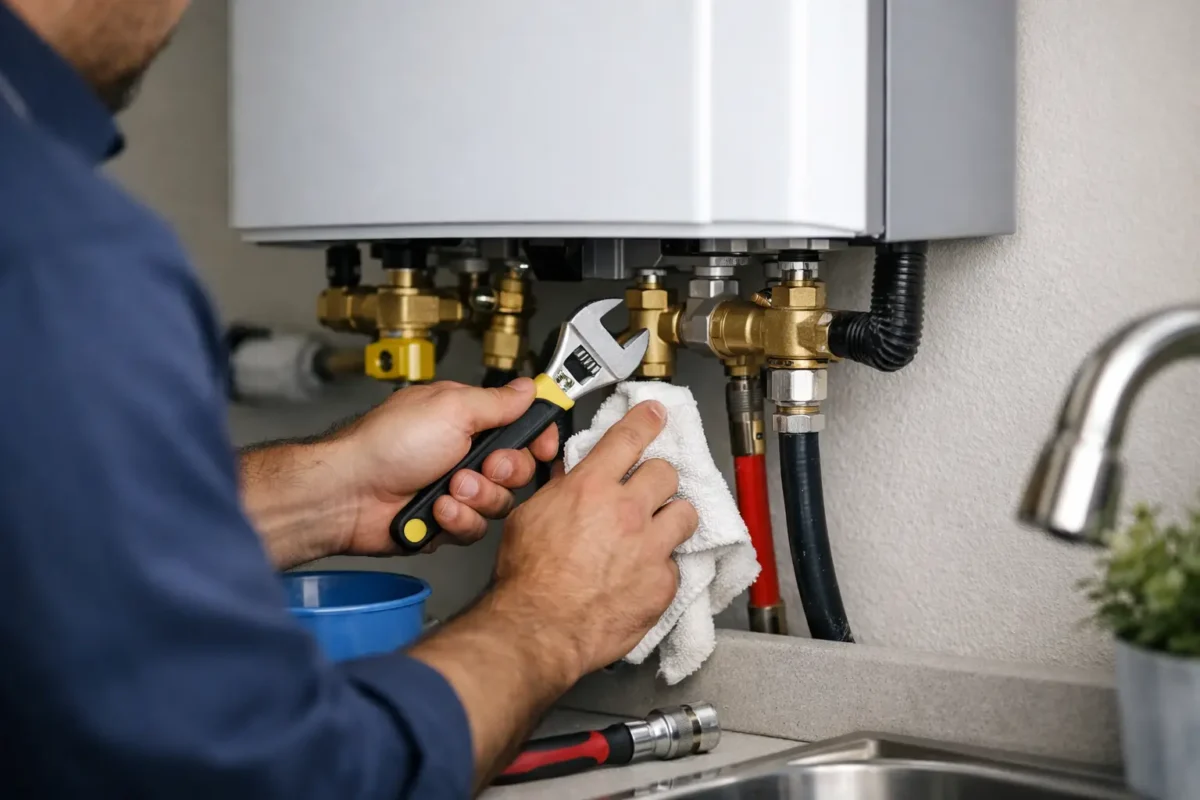
A tankless water heater can deliver dependable hot water for years, but it is not a set-it-and-forget-it appliance. Learning how to maintain tankless water heater equipment helps protect the efficiency, comfort, and long service life homeowners expect from an on-demand system. In San Jose and across the Bay Area, mineral buildup is often the maintenance issue that deserves the most attention.
Unlike a conventional tank water heater, a tankless unit heats water through a compact heat exchanger only when you open a hot-water fixture. That design saves space and can reduce standby energy loss. However, the narrow water passages inside the heat exchanger can collect scale over time, particularly in homes with hard water. A little preventive care goes a long way toward avoiding low flow, temperature swings, error codes, and unexpected repair calls.
Why Tankless Water Heater Maintenance Matters
Tankless water heaters are efficient because they transfer heat quickly. Scale deposits interfere with that transfer. As minerals collect inside the unit, it may need to work harder to reach the requested temperature. This can increase energy use and place unnecessary strain on internal components.
Maintenance also gives you a chance to spot small concerns before they interrupt your household routine. A clogged inlet screen, a weak exhaust connection, or a minor water leak may not seem urgent at first. Left alone, those issues can affect performance or create a more expensive repair.
The right schedule depends on your water quality, household demand, and the manufacturer’s instructions. Most homes benefit from professional service once a year. If your home has notably hard water, uses well water, or has a large family with heavy hot-water use, flushing may be needed every six months.
How to Maintain a Tankless Water Heater at Home
Homeowners can handle a few simple visual checks between professional appointments. The goal is not to take apart the unit or work around gas and electrical connections. It is to notice changes early and keep the area around the water heater clean and accessible.
Check the unit and surrounding area monthly
Look around the heater for moisture, rust, staining, or dripping water. Check beneath the unit and around visible pipe connections. If you see a leak, hear unusual sounds, or smell gas, stop using the system and schedule service right away. If you smell gas, leave the area and follow your gas utility’s emergency instructions before calling for help.
Keep the installation area clear of storage boxes, paint, chemicals, and other combustible materials. Your technician needs safe access for maintenance, and gas-fired units need proper airflow and venting. A crowded utility closet can turn a quick service visit into a preventable safety concern.
Watch for changes in hot-water performance
Your tankless system should provide steady hot water when it is sized and operating correctly. Take note if showers run cool unexpectedly, the unit takes longer to activate, water flow seems weaker, or the display shows an error code. These can point to scale buildup, a blocked filter, ignition trouble, venting issues, or a system that needs a professional adjustment.
Do not assume inconsistent water temperature always means the water heater has failed. Some tankless units need a minimum flow rate to activate. A partially closed fixture valve, clogged showerhead, or low-flow faucet aerator can sometimes contribute to the problem. Still, recurring temperature changes deserve a technician’s assessment.
Clean the water inlet filter when needed
Most tankless water heaters have a small cold-water inlet filter designed to catch sediment before it reaches the heat exchanger. Depending on your model, cleaning it may be a manageable homeowner task, but always follow the owner’s manual and shut off the water supply as directed.
If you are comfortable with the manufacturer’s procedure, remove the screen carefully, rinse away debris, and reinstall it correctly. Avoid forcing fittings or using harsh cleaners. If the filter is damaged, heavily scaled, or difficult to access, call a licensed technician instead.
Flush the Heat Exchanger to Remove Scale
Flushing, also called descaling, is the most valuable maintenance task for many tankless systems. It circulates an approved descaling solution through the heat exchanger to dissolve mineral deposits. This is especially useful in areas where water hardness is high.
A proper flush typically requires isolation valves, service hoses, a small circulation pump, a bucket, and a descaling solution approved for the equipment. The unit must be turned off, isolated from the home’s water supply, and flushed according to the manufacturer’s specified process. Afterward, the system is rinsed thoroughly, returned to service, and checked for normal operation.
Some homeowners choose to do this work themselves. That can make sense if the unit was installed with accessible service valves, you understand the exact procedure for your model, and you are confident working with plumbing connections. The trade-off is that an incorrect valve position, loose fitting, or incomplete rinse can create leaks or performance problems. Gas-fired systems also require careful attention to safety around combustion components and venting.
For most households, annual professional flushing is the simpler and safer choice. A licensed technician can descale the unit while also inspecting the burner, ignition system, condensate drain, pressure relief components, wiring, and vent connections. That broader inspection is one reason professional maintenance provides more value than a flush alone.
Do Not Ignore Venting and Condensate Components
Gas tankless water heaters produce combustion gases that must vent safely outdoors. Inspect visible vent piping for loose sections, corrosion, cracks, or signs of moisture. Never tape, modify, or disconnect venting yourself. Improper venting can create serious carbon monoxide risks.
High-efficiency condensing tankless models also produce condensate. Their drain line and condensate trap need to stay clear so moisture can drain properly. A blocked drain may trigger an error code or allow water to back up inside the appliance. During a maintenance visit, a technician can clean the trap and verify that the drain is correctly routed.
Electric tankless water heaters do not use combustion venting, but they still need periodic inspection. Their electrical connections, breakers, flow sensors, and heating elements should be evaluated by a qualified professional. Because electric units draw significant power, this is not an area for DIY troubleshooting.
Consider Water Treatment for Persistent Scale
If your tankless water heater repeatedly develops scale, more frequent flushing treats the symptom but not necessarily the cause. A whole-home water softener or a properly selected scale-control system may reduce mineral buildup and extend the time between service needs.
Water treatment is not a universal requirement. It depends on local water hardness, your plumbing, the specific tankless model, and your maintenance preferences. A professional can test or evaluate your water conditions and recommend an approach that makes sense for your home rather than selling a one-size-fits-all solution.
Signs It Is Time to Call a Professional
Schedule service promptly when you notice error codes that return after a reset, rumbling or clicking noises, reduced hot-water flow, discolored water, visible leaks, or hot water that cuts out during normal use. A sudden increase in gas or electricity use can also be worth investigating.
Annual maintenance is also a smart time to confirm that your water heater is still appropriately sized for your household. If you added a bathroom, installed a larger soaking tub, or have more people living at home, the system may be reaching its capacity during peak demand. Maintenance can reveal whether the issue is scale or simply a change in your household’s hot-water needs.
HVAC DOME provides reliable water heater service for homeowners in San Jose and nearby Bay Area communities. Our licensed technicians can inspect, flush, and troubleshoot tankless systems with clear communication and upfront pricing, so you can make an informed decision about your home comfort.
A well-maintained tankless water heater should stay quietly in the background, ready whenever your household needs it. Put annual service on your home maintenance calendar, pay attention to early performance changes, and address small concerns before they become a cold-shower emergency.