
Why Is My AC Freezing? Causes and Next Steps

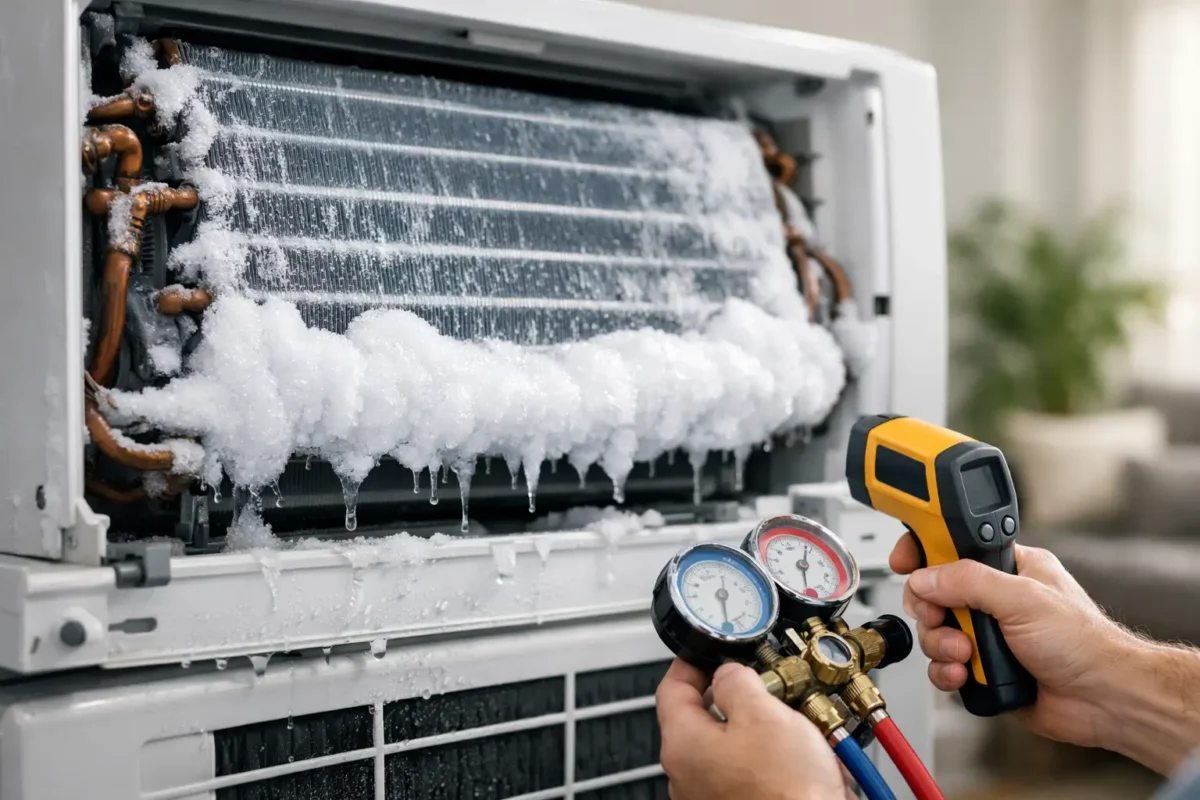
A frozen air conditioner can be alarming, especially when the Bay Area weather finally turns warm and your home is not cooling. If you are asking, why is my AC freezing, the short answer is that the system is either not getting enough warm air across its indoor coil or it has a refrigerant-related problem. The ice is a symptom, not the repair itself.
Turning the system back on before the underlying issue is fixed can strain the compressor, cause water damage as ice melts, and turn a manageable repair into a more expensive one. Here is what homeowners should know, what they can safely check, and when it is time to call a licensed HVAC technician.
Why Is My AC Freezing? The Basic Explanation
Your air conditioner removes heat from indoor air through an evaporator coil, typically located inside or near the indoor air handler. That coil gets very cold during normal operation, but it should not turn into a block of ice. For the process to work properly, a steady amount of warm household air must move across the coil.
When airflow is restricted, the coil can become colder than freezing. Moisture from the air then freezes on it, gradually building a layer of ice. A low refrigerant charge can create a similar condition by lowering pressure in the system and making the coil too cold.
The ice you see may be on the refrigerant lines outside, on the indoor coil, or both. In some cases, the coil is hidden inside the air handler, but you may notice weak airflow, warmer air from the vents, or water around the equipment after the system shuts off and begins to thaw.
Common Reasons an AC Unit Freezes Up
A dirty air filter is restricting airflow
A clogged filter is one of the most common and easiest causes to address. As dust, pet hair, and debris collect on the filter, your blower has a harder time pulling air through the system. Less airflow reaches the evaporator coil, and the coil can freeze.
Check your filter monthly during periods of frequent AC use. Many homes need a replacement every one to three months, though the right schedule depends on the filter type, pets, allergies, construction dust, and household occupancy. Use the filter size and rating recommended for your equipment. A very dense, high-rated filter can also reduce airflow if your system was not designed for it.
Closed or blocked supply and return vents
Closing vents in unused rooms may seem like a simple way to save energy, but central air systems are designed to move a specific amount of air. Too many closed supply vents can raise pressure in the ductwork and reduce airflow across the coil. Blocked return vents can be even more troublesome because they limit the air returning to the system.
Walk through the home and make sure supply registers are open and not covered by furniture, rugs, or curtains. Return grilles should remain clear. If one room is consistently too warm or too cold, the solution may involve ductwork, insulation, balancing, or thermostat placement rather than closing vents throughout the house.
A dirty evaporator coil or blower issue
Even with a clean filter, dust can build up on the evaporator coil over time. That buildup acts like a blanket, preventing proper heat transfer and restricting airflow. A dirty blower wheel, failing blower motor, or a problem with the blower controls can also leave the coil without enough moving air.
These are not ideal DIY repairs. The indoor coil is delicate, often difficult to access, and connected to refrigerant components. A technician can inspect it safely, identify whether cleaning is appropriate, and test whether the blower is delivering the correct airflow.
Low refrigerant from a leak
Refrigerant does not get used up like gasoline. If your system is low, there is usually a leak that needs to be found and repaired. Low refrigerant pressure can make the evaporator coil abnormally cold, causing frost and ice to form.
Signs that may point to a refrigerant issue include hissing sounds, reduced cooling capacity, ice returning after the system has thawed, and a noticeable rise in indoor humidity. Adding refrigerant without locating the leak is only a temporary measure and may lead to repeat problems. A licensed technician should diagnose the system, repair the leak when possible, and charge the equipment according to manufacturer specifications.
Running the AC when outdoor temperatures are too low
San Jose evenings can cool down quickly, particularly in spring and fall. Running a standard residential AC for long periods when outdoor temperatures are low can reduce system pressure and contribute to freezing. This is more likely when the thermostat is set very low or the home has a light cooling load.
If your AC freezes only during cool weather, stop using cooling mode and allow the home to cool naturally when possible. A technician can determine whether the issue is simply operating conditions or whether the system has another underlying airflow or refrigerant problem.
Thermostat, ductwork, or installation problems
Less obvious issues can also cause an AC to freeze. A thermostat that runs the system longer than needed, undersized or damaged ductwork, disconnected ducts, and poorly matched equipment can all affect airflow and cooling performance. These problems may be especially noticeable after a remodel, a new system installation, or changes to insulation and room use.
This is where a full diagnostic matters. Replacing a filter may help a little, but it will not correct a duct leak in an attic or a blower that is improperly set for the system.
What to Do When Your Air Conditioner Is Frozen
First, turn the thermostat from Cool to Off. Do not keep running the compressor in hopes that the ice will clear on its own. Continued operation can put significant stress on the system.
Next, set the thermostat fan setting to On, if the indoor blower is operating normally. The moving room-temperature air can help thaw the coil more quickly. If the fan does not run, turn the system fully off and contact a professional. Place towels around the indoor unit if water may drip during thawing, but do not remove access panels or attempt to chip ice off the coil or refrigerant lines. Sharp tools can damage the coil and create a costly refrigerant leak.
Check the air filter and replace it if it is dirty. Also make sure vents and return grilles are open and unobstructed. Then allow enough time for all ice to melt. Depending on the amount of ice, this can take several hours or longer. Restarting the AC before it is fully thawed can cause it to freeze again almost immediately.
Why Is My AC Freezing Even With a Clean Filter?
A clean filter rules out one common cause, but it does not guarantee proper airflow or refrigerant levels. The evaporator coil could be dirty, the blower motor may be weak, a duct could be restricted, or the system may have a refrigerant leak. If ice returns after you replace the filter and let the unit thaw completely, schedule service rather than repeatedly resetting the thermostat.
A professional diagnosis should include checking airflow, inspecting the indoor coil and blower, measuring refrigerant pressures, looking for leaks, and evaluating the overall operation of the equipment. That approach identifies the actual cause instead of treating the visible ice as the problem.
When to Call for AC Repair
Call for service promptly if your AC keeps freezing, produces little or no airflow, leaks water indoors, makes unusual noises, or fails to cool after thawing. You should also call if you see ice on refrigerant lines more than once. These are signs that the system needs more than a filter change.
For homeowners in San Jose and surrounding communities, HVAC DOME provides dependable AC diagnostics and repairs with upfront pricing and licensed technicians focused on restoring safe, efficient comfort. A frozen AC does not always mean replacement is necessary, but ignoring it can shorten the life of equipment that may otherwise be repairable.
Your home should feel comfortable without forcing the system to work against a hidden problem. Turn off the cooling, let the equipment thaw, handle the simple airflow checks, and have recurring freezing diagnosed before the next warm day puts your comfort on hold.