
Gas vs Electric Water Heater: Which Fits?

If your current water heater is leaking, slow to recover, or simply too old to trust, the gas vs electric water heater question gets real fast. For Bay Area homeowners, this is not just about fuel type. It is about monthly costs, installation requirements, hot water demand, safety, and how well the system fits your home.
The right choice depends on how your household uses hot water and what your property can support. A family with back-to-back showers has different needs than a smaller household in a townhome. What matters most is choosing a system that delivers reliable comfort without surprising you later with higher bills or a complicated install.
Gas vs Electric Water Heater: The Core Difference
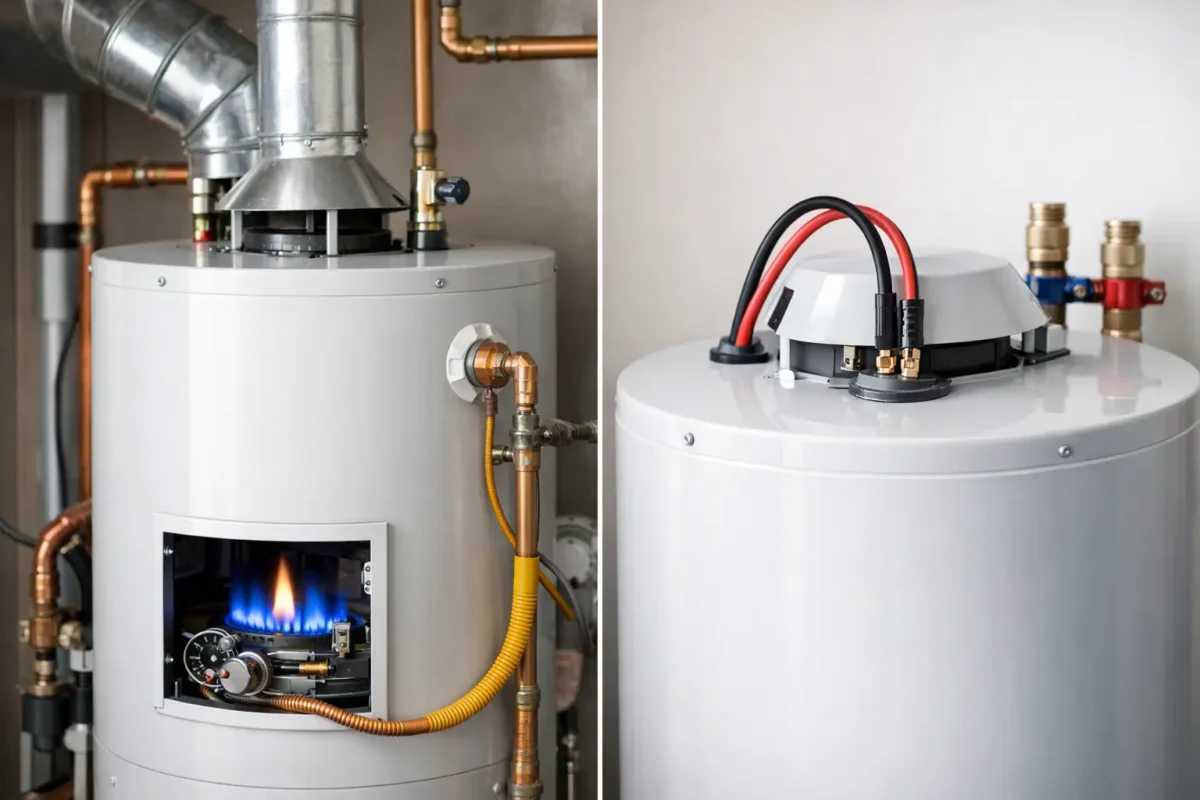
A gas water heater uses a burner and venting system to heat water in the tank. An electric water heater uses heating elements powered by your home’s electrical system. Both can do the job well, but they behave differently in daily use.
Gas models usually heat water faster. That matters when several people are showering, the dishwasher is running, and laundry is going at the same time. Electric models are often more energy-efficient at the unit level, but recovery can be slower depending on the model and your usage pattern.
For many homeowners, the decision starts with what is already in place. If your home already has a gas line, proper venting, and a gas water heater, replacing it with another gas unit may be the simpler path. If your home is set up for electric only, switching to gas can involve added work and cost.
Upfront Cost vs Long-Term Cost
This is where things get nuanced. Electric tank water heaters are often less expensive to purchase and install. The equipment is simpler, and installation usually does not require combustion venting. That can make electric attractive if you want a straightforward replacement.
Gas water heaters often cost more upfront, especially if venting updates, code changes, or gas line adjustments are needed. But in some homes, lower fuel costs can help offset that over time. Utility rates in California can shift the math, so the cheapest unit to install is not always the cheapest one to own.
It also helps to think beyond the sticker price. A water heater that struggles to keep up with your household may cost less on day one but create daily frustration. Homeowners usually feel the difference most during busy mornings and evening routines.
What San Jose Homeowners Should Consider
In the South Bay, many homeowners are balancing comfort, efficiency, and rising utility costs. That means the better choice is often the one that matches your actual hot water habits, not the one with the lowest advertised price.
If you are planning to stay in the home for years, operating cost and reliability matter more. If you need a fast replacement because your current tank failed, installation speed and compatibility may be the priority.
Performance and Hot Water Recovery
Recovery rate is one of the biggest differences in the gas vs electric water heater comparison. Recovery rate means how quickly the heater can bring a fresh tank of water back up to temperature after use.
Gas units typically recover faster than standard electric tank models. For larger families or homes with high hot water demand, that can make a noticeable difference. If your household regularly runs out of hot water, gas may be a better fit.
Electric units can still work very well in homes with lighter or more predictable demand. A one- or two-person household may not need the faster recovery of gas. In those cases, electric can provide steady performance with fewer installation complications.
There is also the question of consistency. An older undersized unit, whether gas or electric, will disappoint. Capacity matters. Choosing the right tank size is just as important as choosing the fuel source.
Efficiency, Environmental Impact, and Monthly Bills
Electric water heaters are generally very efficient at converting energy into heat inside the unit. Less heat is lost through venting because there is no combustion process. That sounds like an easy win, but utility costs still matter. High electricity rates can make electric operation more expensive in some cases.
Gas water heaters lose some heat through exhaust, which lowers efficiency at the appliance level. Even so, natural gas can still be cost-effective depending on local rates and your usage. This is why two homes with similar water heaters can see very different monthly costs.
Homeowners who are focused on reducing emissions often lean toward electric, especially as California continues moving toward electrification. If your long-term goal is an all-electric home, an electric water heater supports that direction. If your immediate goal is dependable hot water for a busy household at a manageable operating cost, gas may still be the practical answer.
Installation Requirements and Home Compatibility
This is often the deciding factor.
A gas water heater needs a gas supply and proper venting. Depending on the setup, installation may also involve combustion air requirements, seismic strapping, drain pans, expansion tanks, and code updates. If your old unit is being replaced in the same location with similar specs, the process is usually more straightforward.
An electric water heater avoids venting, but it still needs the correct electrical capacity. In some homes, upgrading the electrical circuit may be necessary. If you are switching from gas to electric, that can add time and cost.
Space can also affect the choice. Some installations are tight, awkward, or located in garages, closets, or utility areas with specific code requirements. A licensed technician can look at the full picture and tell you what makes sense before you commit.
Maintenance, Lifespan, and Reliability
Both gas and electric water heaters need maintenance if you want them to last. Tank flushing, anode rod checks, and routine inspections help reduce sediment buildup and extend service life.
Gas units have more components tied to combustion, including burners, ignition systems, and venting. That means there can be more parts involved when troubleshooting. Electric units are mechanically simpler, and issues often center on heating elements or thermostats.
That said, simpler does not always mean better for every home. Reliability depends on build quality, water conditions, maintenance history, and proper installation. Hard water, neglected flushing, and old components can shorten the life of either type.
For homeowners who want fewer moving parts and a cleaner install, electric can be appealing. For homeowners who prioritize strong recovery and established fuel availability, gas remains a solid choice.
Safety and Peace of Mind
Homeowners are right to think about safety. Gas water heaters involve combustion, which means proper venting and correct installation are essential. When installed and maintained correctly, they are safe and dependable, but they do require attention to gas connections and exhaust.
Electric water heaters do not burn fuel, so they avoid combustion-related concerns. That can give some homeowners added peace of mind, especially in enclosed spaces. Even so, electrical safety, code compliance, and professional installation still matter.
The real takeaway is this: safety is less about choosing gas or electric in the abstract and more about choosing the right equipment, installing it correctly, and keeping it maintained.
Which Option Makes More Sense for Your Home?
If your household uses a lot of hot water and already has a gas setup in place, a gas water heater often makes sense. It tends to recover faster, which helps busy homes stay comfortable during peak use.
If you want a simpler installation, are moving toward electrification, or have lower hot water demand, electric may be the better fit. It is often a practical option for smaller households or homes where gas installation would add significant cost.
The best answer is not universal. It depends on your family size, your utility setup, your budget, and how long you plan to stay in the home. For many San Jose-area homeowners, the smartest move is to have the existing setup evaluated before choosing a replacement. A trusted local team like HVAC DOME can help you weigh performance, code requirements, and long-term value without guesswork.
If you are replacing a water heater, think past the tank itself. The goal is not just hot water. It is dependable comfort every day, without stress when your home needs it most.