
How to Maintain a Home Heat Pump All Year

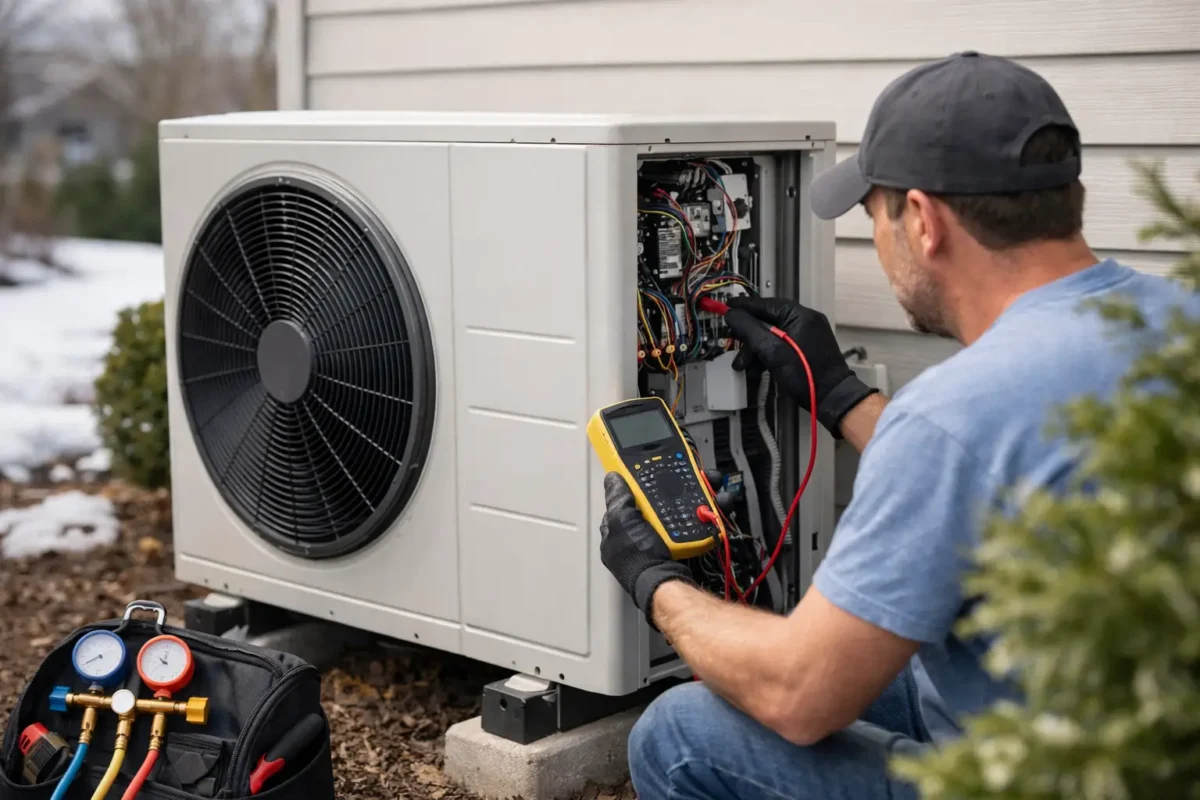
A heat pump should not have to work overtime to keep your San Jose home comfortable. When it does, you may notice longer run times, uneven room temperatures, higher utility bills, or airflow that feels weaker than usual. Knowing how to maintain a home heat pump gives you a practical way to protect comfort, control operating costs, and catch small concerns before they turn into an untimely repair call.
Heat pumps provide both heating and cooling, so they operate through much of the year. That makes routine care especially valuable. A few homeowner tasks make a real difference, while professional maintenance addresses the electrical, refrigerant, and performance details that should never be left to guesswork.
How to Maintain a Home Heat Pump Between Service Visits
The most useful maintenance habits are simple, consistent, and focused on airflow. Your system needs to move air freely indoors and release or collect heat efficiently outdoors. Restrictions in either place force it to run longer and can increase wear on components.
Check the air filter regularly
A clogged filter is one of the most common causes of poor HVAC performance. Check it about once a month, particularly during periods when the heat pump is running daily. Many homes need a replacement every one to three months, but the right schedule depends on the filter type, pets, household size, dust levels, and construction activity nearby.
Use the filter size and airflow direction shown on the existing filter or equipment cabinet. A very high-rated filter is not automatically the best choice. If it is too restrictive for your system, it can reduce airflow rather than improve indoor comfort. When in doubt, ask a licensed technician which filter rating fits your equipment and indoor air needs.
Keep supply and return vents open and clear
Walk through the home and make sure supply registers and return grilles are not blocked by furniture, rugs, curtains, or storage. Closing several vents does not usually save energy. Instead, it can disrupt system airflow and create pressure problems in the ductwork.
Vacuum visible dust from grille covers as needed. If certain rooms are consistently too warm or too cool, do not assume the heat pump itself is the problem. Duct leaks, insulation gaps, airflow balancing, window exposure, and thermostat location can all affect comfort.
Give the outdoor unit room to breathe
The outdoor heat pump unit needs open space around it. Remove leaves, grass clippings, loose mulch, and other debris from the area. Trim back shrubs and plants so air can circulate freely, with roughly two feet of clearance around the sides whenever possible and no overhead obstruction directly above the unit.
You can gently rinse surface dirt from the outdoor coil with a garden hose on a light setting after turning the system off. Never use a pressure washer, which can bend delicate coil fins, and do not use harsh cleaners or poke objects into the equipment. Bent fins, heavy buildup, and damage to the coil should be handled by a professional.
Watch the condensate drain
During cooling operation, your indoor equipment removes moisture from the air and sends it through a condensate drain line. A blockage can lead to water leaks, musty odors, or a system shutdown if a safety switch is installed.
Look around the indoor air handler or furnace cabinet for moisture, staining, or an overflowing drain pan. Outside, make sure the drain outlet is not buried or blocked. Homeowners can keep the area clear, but recurring clogs deserve professional attention because the underlying cause may be algae buildup, a drain slope issue, or a problem with the condensate pump.
Use Your Thermostat in a Heat-Pump-Friendly Way
Heat pumps tend to deliver the best efficiency when they maintain a steady, reasonable temperature. In the Bay Area’s generally mild climate, drastic temperature setbacks are often less helpful than homeowners expect. A large overnight setback may cause the system to run harder in the morning and, on some systems, activate more expensive auxiliary heat.
Set a comfortable schedule that matches your household routine, then make smaller adjustments as needed. If your thermostat has an auxiliary or emergency heat setting, understand the difference. Auxiliary heat can come on automatically during very cold conditions or when the system needs extra help. Emergency heat is typically intended for use when the heat pump itself has failed and should not be turned on casually.
If the thermostat display is blank, inaccurate, or frequently calling for heat or cooling without improving comfort, schedule a diagnostic visit. The issue could be as simple as batteries or settings, but it can also involve wiring, sensors, or equipment performance.
What Seasonal Heat Pump Maintenance Should Include
Homeowner care supports the system, but it does not replace a professional tune-up. Because a heat pump handles both heating and cooling, scheduling maintenance twice per year is often the most dependable approach: once before the cooling season and once before heavier heating use. A newer system in light use may need a different schedule, so follow the manufacturer’s recommendations and the guidance of your HVAC professional.
During a thorough visit, a licensed technician should inspect more than the filter and outdoor cabinet. Professional service commonly includes the following:
- Testing heating and cooling operation, thermostat response, and temperature performance
- Inspecting electrical connections, capacitors, contactors, safety controls, and wiring
- Checking refrigerant system performance and looking for signs of leaks
- Cleaning indoor and outdoor coils when needed and inspecting the blower assembly
- Clearing and testing the condensate drain system
- Examining duct connections, accessible insulation, and airflow concerns
These checks matter because heat-pump issues are not always obvious at first. A weakening capacitor, dirty blower wheel, loose electrical connection, or low refrigerant charge can affect efficiency long before the system stops completely. Upfront maintenance can also provide a clearer picture of whether a repair is worthwhile or whether an aging unit is approaching replacement.
Know What Is Normal and What Calls for Service
Not every unfamiliar sound or operating pattern means the heat pump is failing. In heating mode, an outdoor unit may periodically enter a defrost cycle. You may see steam rising from it or hear a temporary change in sound. That is often normal, especially on cool, damp mornings.
Still, certain signs should not wait. Call for professional service if you notice repeated breaker trips, burning or electrical odors, grinding or loud rattling, ice that remains on the outdoor unit, water leaking indoors, weak airflow, or a sharp rise in energy use without a clear reason. A heat pump that blows cool air while set to heat, or warm air while set to cool, also needs attention.
Do not remove access panels, add refrigerant, or attempt electrical repairs yourself. Heat pump service involves high voltage equipment and regulated refrigerant handling. A quick inspection by a qualified technician is safer and usually less expensive than repairing damage caused by a DIY fix.
Protect Efficiency With the Rest of Your Home in Mind
Heat pump maintenance is not limited to the equipment. Air leaks around doors and windows, inadequate attic insulation, dirty ducts, and poorly sealed duct connections can make a healthy system seem undersized. If your home has hot upstairs rooms, cold bedrooms, or persistent dust, ask for a whole-home comfort evaluation instead of replacing equipment based on symptoms alone.
For homeowners in San Jose and nearby Bay Area communities, HVAC DOME can help assess heat pump performance, complete seasonal maintenance, and explain recommendations with upfront pricing. The right solution may be a simple repair or cleaning, but it may also involve airflow or ductwork improvements that help your system deliver the comfort you are already paying for.
A well-maintained heat pump is quieter, more efficient, and more likely to be ready when the weather shifts. Put filter checks on your calendar, keep the outdoor unit clear, and arrange professional service before a small comfort change becomes a disruption to your home.