
Heat Pump Installation San Jose Homeowners Trust

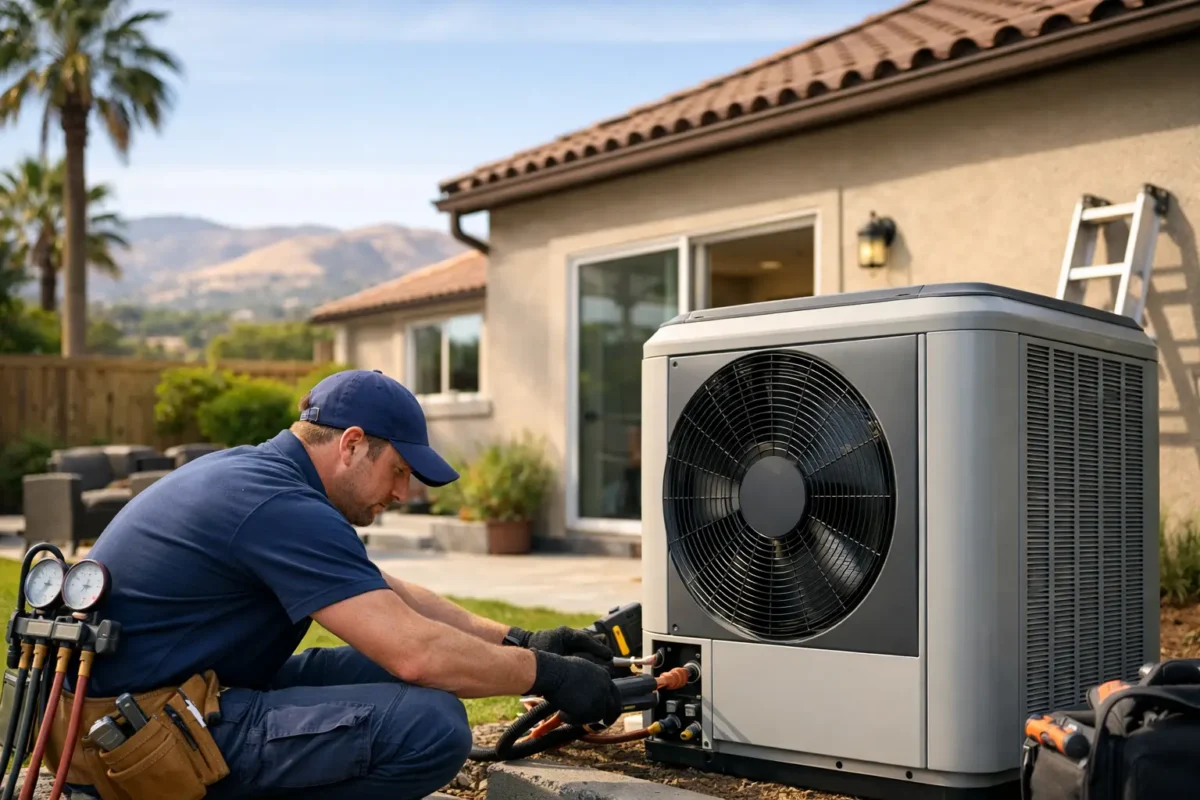
If your home has hot upstairs rooms in summer, chilly spots in winter, or utility bills that keep climbing, heat pump installation San Jose homeowners choose often comes down to one thing – getting more comfort from one efficient system. In a climate like San Jose, where heating and cooling needs shift through the year without extreme deep-freeze winters, a heat pump can be a smart fit for many homes.
The key is not just buying a new unit. It is choosing the right size, the right setup, and the right installer so your system actually performs the way it should. A heat pump that is too large, too small, or poorly matched to your ductwork can leave you paying for efficiency you never really feel.
Why heat pump installation in San Jose makes sense
San Jose homes sit in a sweet spot for heat pump performance. Because our winters are generally mild and summers can still bring long stretches of heat, homeowners often benefit from a system that both heats and cools efficiently without needing separate equipment for each season.
That flexibility matters. Instead of maintaining an aging furnace and a separate AC, many households prefer one all-in-one system that simplifies comfort and can reduce energy use. For families balancing work, school, and the usual demands of homeownership, less equipment and fewer surprise repairs can be a real advantage.
There is also the monthly cost question. While every home is different, heat pumps can be very attractive for homeowners who want to move away from older, less efficient systems. If your current equipment runs constantly, struggles to keep temperatures even, or is nearing replacement age, installing a heat pump may improve comfort while lowering operating costs over time.
What a heat pump actually does
A heat pump does not create heat the same way a traditional furnace does. It moves heat. In cooler weather, it draws heat from outside and brings it indoors. In warmer weather, it reverses the process and removes heat from your home like an air conditioner.
For San Jose homeowners, that makes practical sense. Our climate allows heat pumps to operate efficiently for much of the year, which is one reason they have become a popular replacement option in residential HVAC.
That said, not every home needs the exact same setup. Some properties do well with a standard ducted system. Others benefit from ductless mini-splits, especially in additions, older homes, or areas with inconsistent airflow. The right recommendation should be based on your square footage, insulation, layout, existing ducts, and comfort goals – not just the biggest system available.
Signs it may be time for heat pump installation San Jose residents should not ignore
Most homeowners do not start thinking about replacement until something breaks. That is understandable, but there are earlier signs worth paying attention to.
If your AC and heater are both aging, replacement can make more sense than putting money into repeated repairs. If some rooms stay comfortable while others never do, your current system may be the wrong size or your ductwork may need attention. If your utility bills are rising without a clear reason, efficiency loss is often part of the picture.
Noise can be another clue. Rattling, buzzing, hard starts, or long run times can signal that your system is wearing down. Even if it still turns on, that does not mean it is working well. A newer heat pump system can often deliver quieter operation and steadier indoor temperatures.
What to expect during installation
A good installation process should feel organized, clear, and tailored to your home. It usually starts with an in-home evaluation. That visit should include more than a quick glance at your old unit. A qualified technician should look at the size of your home, insulation levels, duct condition, electrical requirements, airflow, and how your family actually uses the space.
From there, you should receive an upfront estimate and a recommendation that makes sense for your comfort needs and budget. For some homes, installation is fairly straightforward if the existing infrastructure is in good shape. For others, a better result may require ductwork adjustments, electrical upgrades, or changes to the location of indoor and outdoor components.
Installation timelines vary, but many residential projects can be completed in a day or two depending on complexity. The important part is quality. Rushed work can create airflow problems, poor temperature control, excess wear, and higher operating costs.
When the job is done properly, your installer should test system performance, verify refrigerant levels, confirm airflow, review thermostat settings, and walk you through basic operation. Homeowners should never be left guessing how to use a brand-new system.
Choosing the right system for your home
This is where many installation projects go right or wrong. Bigger is not always better. An oversized heat pump may cycle on and off too often, which can reduce efficiency and leave humidity control lacking. A system that is too small may run constantly and still struggle to keep up.
Efficiency ratings matter, but they are not the only factor. A high-efficiency unit installed poorly will not deliver the value you expect. Brand, capacity, indoor air handler compatibility, duct design, thermostat controls, and installation quality all play a role.
Home layout also matters. A single-story ranch home may need a different approach than a multi-level house with temperature swings between floors. If your home has older ducts, leaks, crushed sections, or poor return airflow, addressing those issues during installation can make a major difference in comfort.
This is why dependable contractors do not treat every home the same. The best recommendation is the one that fits your space, your energy goals, and your budget without overselling features you do not need.
Cost, value, and the real trade-offs
Let us be honest – cost is a major part of the decision. Heat pump installation is an investment, and homeowners deserve straightforward pricing. The total cost depends on system type, efficiency level, home size, ductwork condition, labor requirements, and whether supporting upgrades are needed.
A lower upfront quote is not always the better value. If it skips load calculations, uses poor installation practices, or ignores duct problems, you may end up paying more later through repairs, discomfort, and higher bills. On the other hand, the most expensive option is not automatically the smartest one either. Some homes simply do not need top-tier equipment to get excellent results.
The right conversation focuses on long-term comfort and realistic operating costs. For many San Jose homeowners, the best value is a properly sized, energy-efficient system installed by licensed technicians who explain the options clearly and stand behind the work.
Why local experience matters
San Jose homes are not all built the same. Some neighborhoods have older properties with aging duct systems. Others have newer construction with tighter building envelopes and different airflow needs. A contractor familiar with local housing styles, climate patterns, and homeowner expectations is better positioned to recommend a system that performs well here.
Responsiveness matters too. If you are replacing a failing system during a hot spell or dealing with a home that cannot stay warm on cold mornings, you want fast communication, clear scheduling, and technicians who show up ready to solve the problem.
That is the kind of service homeowners look for from a local company like HVAC DOME – dependable guidance, upfront pricing, and workmanship focused on lasting comfort rather than a rushed sale.
How to prepare for your installation appointment
A little preparation can help the process go more smoothly. Clear access to indoor and outdoor equipment areas. Make a note of comfort issues you have noticed, such as warm bedrooms, weak airflow, or rooms that never seem to match the thermostat setting. If you have seen spikes in energy bills, mention that too.
It also helps to think about your priorities before the appointment. Some homeowners care most about lowering monthly utility costs. Others want quieter operation, better airflow, or replacing both heating and cooling equipment at once. Sharing those priorities makes it easier to match you with the right system.
If you have questions about timing, warranties, maintenance, or emergency support after installation, ask them. A trustworthy contractor should answer clearly and without pressure.
A better comfort upgrade starts with the right install
A heat pump can be a smart move for many Bay Area homes, but the system itself is only part of the story. The real difference comes from careful sizing, honest recommendations, solid installation practices, and service that respects your time and your home.
If your current equipment is unreliable, inefficient, or simply not keeping up, this may be the right time to look at a better solution. The right heat pump installation can give you quieter operation, steadier temperatures, and more confidence every time the weather changes. That kind of comfort is not flashy, but you feel it every day.