
Why Does My Heater Smell Burning? What to Do

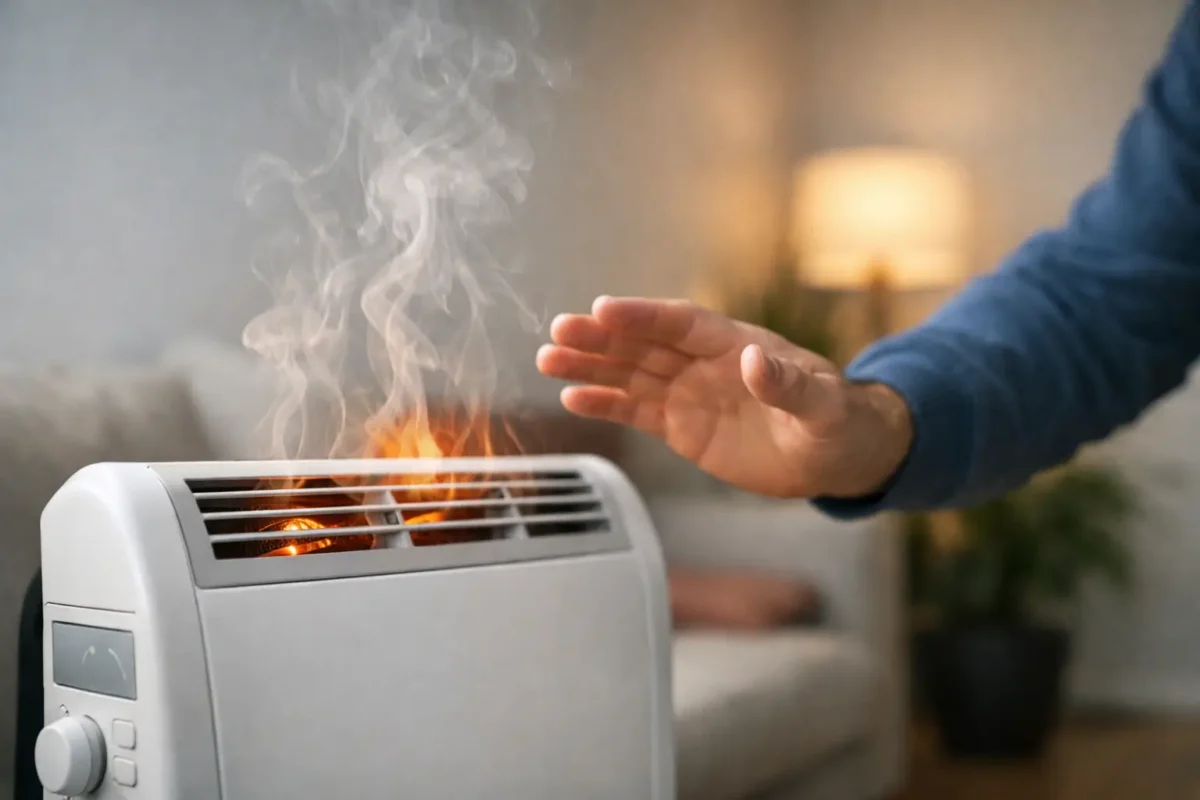
A burning smell from the heater can turn a cool San Jose evening into a stressful one fast. If you are asking, “why does my heater smell burning,” the answer may be as simple as dust on the system – or it may be a warning that calls for immediate attention. The key is noticing what the odor resembles, how long it lasts, and whether other symptoms are happening at the same time.
A brief smell when you first turn on the heat after months of mild Bay Area weather is often normal. A sharp electrical odor, smoke, repeated burning smell, or odor paired with weak airflow is not something to ignore. Your comfort and safety come first.
Why Does My Heater Smell Burning When I First Turn It On?
For many homeowners, the most common cause is dust. During spring, summer, and early fall, dust can settle on the furnace heat exchanger, burners, electrical components, and inside the ductwork. When the system starts heating again, that dust burns off and creates a dry, slightly smoky odor.
This smell should fade within a few minutes to an hour of operation. It may be more noticeable if the heater has not run in a long time or if your home collects more dust from pets, renovations, or open windows.
You can replace a dirty air filter and let the system run while you monitor it. If the odor clears quickly and there is no visible smoke, unusual noise, or performance problem, the situation is usually not urgent. Still, an annual heating tune-up helps remove buildup and lets a licensed technician check that the system is operating safely before the colder season arrives.
Not All Burning Odors Mean the Same Thing
The way a smell presents can provide useful clues. Homeowners do not need to diagnose the equipment themselves, but recognizing the difference can help you decide whether to turn the system off and schedule service.
A dusty or musty burning smell
This is typically the normal first-use odor. It is often mild and fades as the dust burns away. Replace the filter if it looks gray, clogged, or overdue for service. A restricted filter can make the heater work harder, reduce airflow, and contribute to overheating concerns.
A burning plastic or electrical smell
This odor deserves prompt attention. It can point to overheating wiring, a failing blower motor, a damaged control board, loose electrical connections, or another component that is getting too hot. If the smell is strong, persists, or becomes worse while the heater runs, turn the system off at the thermostat and contact a qualified HVAC professional.
Do not keep restarting the system to see if the smell goes away. Electrical issues can become more serious with continued operation.
A burning rubber smell
A rubber-like odor may come from an overheating belt on an older furnace, a motor issue, or a component rubbing where it should not. Modern systems may not use a belt, so the source can vary by equipment type. Either way, a persistent rubber smell is a reason to schedule a professional inspection.
A smoky or burning oil smell
Visible smoke is never a wait-and-see symptom. Shut the heater off immediately. If you see flames, smell heavy smoke, or believe there may be a fire risk, leave the home and call emergency services.
Oil-burning heating equipment can produce odors related to the fuel or combustion process, although it is less common in many Bay Area homes. Any strong combustion-related smell should be inspected rather than covered up with candles or air fresheners.
A smell that seems like burning but is actually gas
Natural gas is not a burning smell. Utility companies add a sulfur-like, rotten egg odor so leaks can be detected. If you smell gas, do not operate switches, appliances, or your thermostat. Leave the home, move to a safe location, and contact your gas utility or emergency services. Do not attempt to find the leak yourself.
When a Burning Heater Smell Becomes a Safety Issue
A temporary dust smell and an ongoing burning odor are very different situations. Turn your heater off and arrange service as soon as possible if the smell lasts longer than an hour, returns every time the system cycles, or is accompanied by troubling changes in performance.
Pay particular attention to signs such as smoke from vents or the furnace, a breaker that trips, buzzing or grinding sounds, poor airflow, frequent cycling, or a thermostat that does not seem to control the temperature properly. These symptoms can indicate overheating, an electrical fault, a blocked vent, or a mechanical issue that should not be handled as a DIY repair.
For gas furnaces, make sure working carbon monoxide detectors are installed near sleeping areas and according to the manufacturer’s instructions. Carbon monoxide has no smell, so a burning odor is not a reliable warning sign for it. If a carbon monoxide alarm sounds, get everyone outside immediately and call emergency services.
What You Can Safely Check Before Calling for Heater Repair
There are a few simple steps homeowners can take without opening the furnace cabinet or touching electrical parts. First, set the thermostat to off and allow the system to cool. Then check the air filter. If it is visibly dirty, replace it with the correct size and type recommended for your system.
Next, look at the supply vents and return grilles around the home. Furniture, rugs, and storage boxes can restrict airflow, which forces the heating system to work harder. Clear obstructions and make sure the return grille is not covered.
Finally, check for anything stored too close to the furnace or air handler. Paint, cardboard, cleaning products, and other household items should not be kept near heating equipment. If you notice scorch marks, melted material, loose-looking wires, or smoke, do not investigate further. Keep the unit off and call for service.
Avoid removing panels, resetting breakers repeatedly, or spraying products into vents to mask the odor. Those actions can create additional risk and may make the original problem harder to identify.
Why a Dirty Filter Can Contribute to Overheating
Your filter does more than catch dust. It protects the equipment and supports steady airflow. When it becomes clogged, the blower has to pull air through a restriction. That can reduce heat distribution throughout the home and cause internal components to run hotter than intended.
In some furnaces, overheating can trigger a safety limit switch that shuts the burners down. The heater may then cycle on and off repeatedly, leaving rooms uncomfortable and placing added strain on the system. Replacing the filter regularly is a small maintenance task that can help prevent larger repair needs.
How often you need a new filter depends on the filter type, household size, pets, allergies, and how often the system runs. Many homes benefit from checking it monthly and replacing it every one to three months. If you are unsure, a technician can recommend a filter schedule that balances indoor air quality with proper system airflow.
When to Call a Licensed Heating Technician
A professional inspection is the right next step when the odor is electrical, chemical, smoky, recurring, or difficult to identify. It is also wise to call if your heater is older, has missed routine maintenance, or is not delivering reliable heat to every room.
A licensed technician can inspect the blower assembly, wiring, motors, heat exchanger, burners, safety controls, ductwork, and airflow. The goal is not only to remove the odor, but to find the cause and help prevent an unexpected breakdown when you need heat most. Ask for clear findings and upfront pricing before repairs begin.
For homeowners in San Jose and nearby Bay Area communities, HVAC DOME provides dependable heater repair and maintenance with comfort, safety, and straightforward service in mind. A burning smell may have a simple explanation, but you should never have to guess whether your home’s heating system is safe to run.