
AC Tune Up Checklist for Bay Area Homeowners

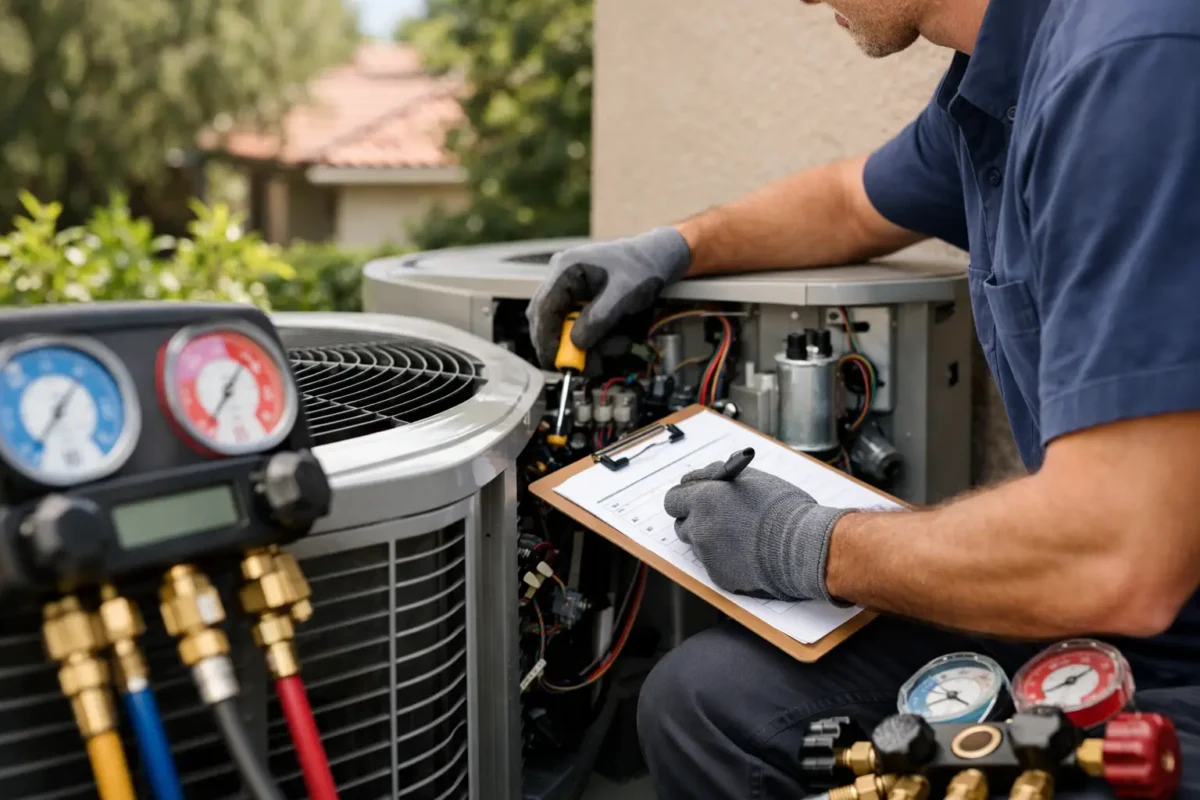
A hot San Jose afternoon is a frustrating time to find out your air conditioner has weak airflow, a clogged drain line, or a failing capacitor. A thoughtful AC tune up checklist helps you catch the simple issues you can safely address, recognize warning signs early, and schedule professional service before a small concern turns into a no-cooling call.
For most Bay Area homes, an annual AC tune-up is a practical investment in comfort, reliability, and energy efficiency. Spring is usually the best time to schedule it, before the first extended heat wave puts your system under real pressure. If your AC runs heavily, serves a large household, or has had repair issues before, a technician may recommend more frequent attention.
Start Your AC Tune Up Checklist Before You Turn It On
Begin with a quick visual check of the equipment and the area around it. This does not require taking apart electrical components or opening sealed equipment. The goal is to identify obvious obstructions, damage, or changes in performance that deserve professional attention.
At the indoor unit, look for water around the furnace, air handler, or drain pan. A small amount of moisture can point to a blocked condensate drain, while standing water should be addressed promptly to help prevent water damage and mold concerns. Also watch for rust, unusual odors, loose panels, or signs that rodents have disturbed nearby insulation or wiring.
Outside, inspect the condenser cabinet for bent panels, storm damage, oil stains, or excessive corrosion. The unit needs room to release heat. Keep shrubs, vines, leaves, lawn clippings, outdoor furniture, and stored items at least 2 feet away from all sides. Avoid stacking anything on top of the unit.
If you notice damaged wiring, a burning smell, a refrigerant-like chemical odor, or a circuit breaker that repeatedly trips, turn the system off and call a licensed HVAC technician. Those are not do-it-yourself fixes.
Replace or Clean the Air Filter
A clean filter is one of the most effective items on any home AC maintenance list. A clogged filter restricts airflow, makes the blower work harder, and can contribute to frozen evaporator coils. It may also leave certain rooms stuffy even when the thermostat is set correctly.
Check your filter monthly during cooling season. Many standard 1-inch filters need replacement every 30 to 90 days, but the right schedule depends on the filter type, whether you have pets, how often the system runs, and indoor air quality needs. Homes with shedding pets, allergy concerns, or ongoing construction dust often need more frequent changes.
Before buying a replacement, confirm the filter size printed on its frame and follow the airflow arrow when installing it. A higher-rated filter can capture finer particles, but it is not automatically the right choice for every system. Very dense filters can reduce airflow if the equipment was not designed for them. When in doubt, ask your HVAC professional which filter rating fits your system and comfort goals.
Check Thermostat Settings and Cooling Performance
Set your thermostat to cooling mode and lower the temperature a few degrees below the current room temperature. After a short delay, the indoor blower and outdoor condenser should start. Some systems have built-in delays, so give the equipment several minutes before assuming there is a problem.
Walk through the home and check airflow at several supply vents. Air should feel consistently cool after the system has run for a while, though rooms with more sun exposure, large windows, or long duct runs may naturally feel warmer. Make sure supply vents are open and not blocked by rugs, curtains, or furniture. Keep return vents clear as well, since they pull indoor air back to the system.
Pay attention to changes from previous seasons. Weak airflow, uneven temperatures, frequent cycling, or an AC that runs continuously without reaching the set temperature can signal issues with airflow, ductwork, refrigerant levels, electrical controls, or system sizing. The cause is not always obvious, which is why a professional inspection is more useful than guessing.
If you use a programmable or smart thermostat, review the schedule. Setting the temperature extremely low will not cool the house faster. It simply makes the system run longer. A steady, reasonable setting that matches your household routine is typically more comfortable and more efficient.
Clear the Condensate Drain Area
Air conditioning removes moisture from indoor air, and that water needs a clear path out through the condensate drain. In the Bay Area, a clogged drain can go unnoticed until water appears near the indoor equipment or the system shuts off through a safety switch.
You can keep the area around the drain line accessible and look for signs of a blockage, such as dripping, algae buildup, or water in the pan. However, avoid using harsh chemical drain cleaners or forcing tools into the line. The wrong approach can damage drain components or push a clog farther into the system.
A technician can flush the drain properly, verify the trap and slope are working, and inspect for leaks. This is especially worthwhile if your home has experienced previous drain backups or the AC is located in an attic, closet, or other area where a leak could cause significant damage.
Clean Around the Outdoor Condenser
Your outdoor unit pulls air through its condenser coil to release heat. When leaves, dust, cottonwood fluff, and landscaping debris collect on the coil, the AC may struggle to cool efficiently. This can raise energy use and increase wear on the compressor.
Turn off power at the outdoor disconnect before doing any exterior cleaning. Gently remove loose debris from the cabinet and clear vegetation around the unit. Do not use a pressure washer, stiff brush, or sharp tool on the coil fins. They bend easily, and damaged fins restrict airflow.
Light surface dirt may be rinsed with a gentle stream of water from the inside outward if you can do so without opening electrical areas or bending components. But a heavily soiled coil, matted debris, or bent fins calls for professional cleaning. Technicians use the right coil-cleaning methods and can straighten fins without damaging the equipment.
What a Professional AC Tune-Up Should Include
A homeowner checklist supports maintenance, but it cannot replace a full service visit. Air conditioners contain high-voltage electrical parts, pressurized refrigerant, and components that require calibrated testing. Refrigerant is not something to top off casually. If levels are low, the system may have a leak that needs to be found and repaired.
During a professional tune-up, a licensed technician should inspect the system’s overall operation and address concerns with clear recommendations. Service commonly includes checking electrical connections, testing capacitors and contactors, measuring temperature performance, inspecting the blower and evaporator coil, checking refrigerant operation, clearing the condensate system, and examining the outdoor coil and fan motor.
The technician should also look for duct leakage, worn insulation on refrigerant lines, and signs that the system is short cycling or overheating. These details matter because an AC can still produce cool air while operating inefficiently or placing excess strain on expensive components.
Ask for upfront pricing before approved repairs begin. A reliable contractor should explain what was found, why it matters, what can wait, and what should be handled now. That gives you the information to make a comfortable, practical decision for your home.
Warning Signs That Should Move Up Your Service Call
Do not wait for your annual appointment if your air conditioner shows a meaningful change in behavior. Book service sooner if you notice any of the following:
- Warm air coming from supply vents after the system has had time to run.
- Ice on refrigerant lines, the indoor coil area, or the outdoor unit.
- Grinding, buzzing, screeching, or loud rattling sounds.
- A persistent musty, burning, or electrical odor.
- Water leaking from the indoor unit or stains near ceilings and walls.
- An unexplained jump in cooling costs or repeated breaker trips.
Some issues have simple causes, such as a clogged filter or blocked condenser. Others require prompt repair to protect the compressor, electrical system, or your home from water damage. Turning the system off when you see ice, burning odors, or repeated electrical problems can help limit further damage while you arrange service.
Make Seasonal Maintenance Easier
Put a filter reminder on your calendar and schedule AC service before summer demand peaks. Keep a simple record of repairs, unusual noises, and rooms that never seem to cool properly. That history helps a technician diagnose recurring problems faster and gives you a clearer picture of whether repair or replacement makes more financial sense.
For homeowners in San Jose and nearby Bay Area communities, HVAC DOME provides dependable AC tune-ups with licensed technicians, upfront pricing, and comfort-focused recommendations. The right maintenance visit should leave you knowing how your system is performing, what deserves attention, and what you can confidently expect when the next hot day arrives.