
Spring HVAC Tune Up Checklist for Homeowners

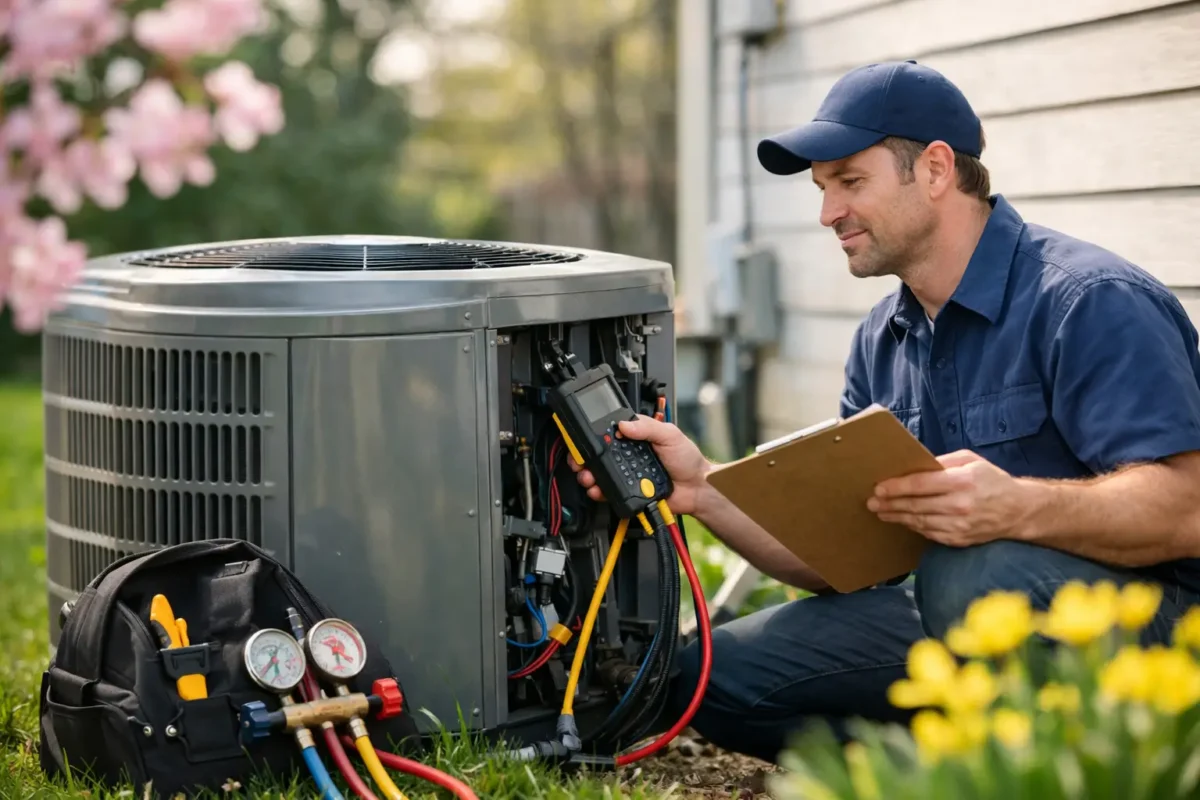
The first really warm afternoon of the year has a way of exposing problems fast. You turn on the AC, expect cool air, and instead get weak airflow, a strange smell, or a system that runs far too long. A smart spring HVAC tune up checklist helps you catch those issues before summer puts real strain on your equipment.
For homeowners in San Jose and nearby Bay Area communities, spring is the right time to get ahead of cooling season. You are not dealing with peak heat yet, which means you have time to fix small issues before they turn into expensive repairs or uncomfortable weekends. A tune-up is not just about checking a box. It is about protecting comfort, efficiency, and the lifespan of your system.
Why a spring HVAC tune up matters
After months of light winter use or long periods of sitting idle, your air conditioner may not be ready for steady spring and summer demand. Dust builds up, filters get clogged, electrical parts loosen over time, and drainage lines can start to back up. None of these problems seem dramatic at first, but together they can reduce performance and raise energy costs.
A spring visit also gives you a clearer picture of your system’s condition. If your unit is aging, short cycling, or struggling to keep temperatures consistent, it is better to know that early. Homeowners usually have more scheduling flexibility in spring than they do during the first major heat wave, when service calendars fill quickly.
Your spring HVAC tune up checklist
Some parts of this checklist are homeowner-friendly, and some should always be handled by a licensed technician. The goal is not to take apart your system yourself. The goal is to know what should be checked so nothing important gets missed.
Start with the air filter
A dirty filter is one of the most common reasons an HVAC system loses efficiency. Restricted airflow makes your equipment work harder, can reduce indoor comfort, and in some cases contributes to frozen coils or premature wear.
Check the filter at the start of spring and replace it if it looks dirty. If you have pets, ongoing construction dust, allergies, or a busy household, you may need more frequent replacement than the basic recommendation on the box. The right schedule depends on how your home is used.
Check vents and airflow inside the home
Walk through your home and make sure supply and return vents are open and not blocked by furniture, rugs, or curtains. Uneven cooling is sometimes caused by something simple, not a major system failure.
If one room always feels warmer than the others, that is worth mentioning during service. It could be related to ductwork, insulation, airflow balancing, or a thermostat location issue. This is where a professional tune-up can go beyond a quick once-over.
Test the thermostat
Your thermostat should respond quickly, hold the set temperature accurately, and switch modes without trouble. If the screen is fading, the settings seem off, or your system turns on and off at odd times, it may be time for battery replacement, recalibration, or an upgrade.
For some homeowners, a programmable or smart thermostat improves comfort and lowers waste. That said, newer controls only help when they are properly set up and compatible with the system. More technology is not always better if the installation is not done right.
Clear debris around the outdoor unit
Leaves, dirt, weeds, and overgrown plants around the condenser can restrict airflow and reduce cooling performance. Give the unit some breathing room by clearing away debris and trimming vegetation back.
You can gently remove surface buildup from around the cabinet, but avoid bending fins or spraying the unit with too much pressure. If the coils are heavily soiled, professional cleaning is the safer choice.
Inspect the condensate drain
Your AC removes humidity as it cools, and that moisture needs to drain properly. A clogged condensate line can lead to water leaks, musty odors, or automatic shutdowns on some systems.
If you have noticed damp spots near the indoor unit or a persistent musty smell, do not ignore it. Drainage issues tend to get worse, not better, once the cooling season ramps up.
What a technician should inspect during a spring HVAC tune up checklist
A professional tune-up covers the parts homeowners cannot fully or safely evaluate on their own. This is where preventive maintenance becomes valuable, because many costly AC problems start with electrical wear, refrigerant issues, or neglected coils.
Electrical components and safety controls
Loose electrical connections, worn contactors, failing capacitors, and damaged wiring can all affect startup and reliability. These issues are common, and they are not always obvious until the system stops working.
A technician should inspect and test critical electrical parts, confirm safe operation, and look for signs of overheating or wear. Catching a weak capacitor in spring is far better than losing cooling during a July heat spike.
Refrigerant levels and coil condition
Low refrigerant does not just mean less cooling. It can point to a leak, and running the system in that condition can damage major components. The evaporator and condenser coils should also be inspected for dirt, corrosion, or performance problems.
If your AC has been blowing lukewarm air, running constantly, or icing up, refrigerant and coil condition deserve immediate attention. This is not a DIY area. It requires proper tools, training, and handling.
Blower components and indoor airflow
Your indoor blower plays a big role in comfort and efficiency. If it is dirty or worn, airflow drops and cooling performance suffers. The technician should inspect the blower assembly, motor, and related components to make sure air is moving as it should.
This is especially important if your home feels dusty, certain rooms cool slowly, or your energy bills have crept up without a clear reason.
Drainage, cycling, and system performance
A full tune-up should include checking the condensate system, testing startup and shutdown cycles, and verifying that your equipment is operating within expected temperature and performance ranges.
This is where experience matters. A licensed technician is not only checking whether the system runs. They are looking at how it runs and whether there are warning signs of future trouble.
Common signs your system needs more than a tune-up
A spring tune-up is preventive care, not a cure-all. If your system is already showing bigger symptoms, you may need repair work instead of routine maintenance.
Pay attention if your AC is making grinding, banging, or screeching sounds. The same goes for short cycling, warm air, unusually high humidity indoors, or energy bills that jump without explanation. A system that is more than 10 to 15 years old may still be serviceable, but repeated repairs can start to outweigh the value of keeping it.
It depends on the age of the equipment, the cost of the repair, and how well the system has been maintained. For some households, a repair makes perfect sense. For others, replacing an inefficient unit can improve comfort and reduce monthly operating costs.
Timing matters in the Bay Area
In the San Jose area, spring weather can feel mild enough to postpone AC maintenance. That is exactly why many homeowners wait too long. By the time hotter weather arrives, the same minor issue that seemed harmless in April can become a no-cooling call in June.
Spring service gives you more control. You can schedule at a convenient time, address smaller concerns before they grow, and make sure your system is ready when you actually need it. That is a better experience than reacting to a breakdown when your home is already uncomfortable.
How to get the most value from your tune-up
The best maintenance appointment is not rushed and not vague. You should expect a clear explanation of what was checked, what condition the system is in, and whether any repairs are recommended now versus later. Homeowners appreciate straightforward answers, especially when it comes to pricing and urgency.
If something is wearing out, a good technician should tell you plainly what can wait and what should not. That kind of transparency helps you plan instead of feeling pressured. It also builds trust, which matters when someone is working on the systems your home depends on.
For homeowners who want reliable comfort going into summer, HVAC DOME approaches spring service the same way it handles every home visit – with licensed technicians, upfront communication, and a focus on practical solutions that make your system safer, more efficient, and more dependable.
A good spring HVAC tune up checklist is really about peace of mind. When your AC starts the season clean, checked, and properly serviced, you are far less likely to be surprised when the temperature climbs.