
How to Troubleshoot Furnace Noises Safely

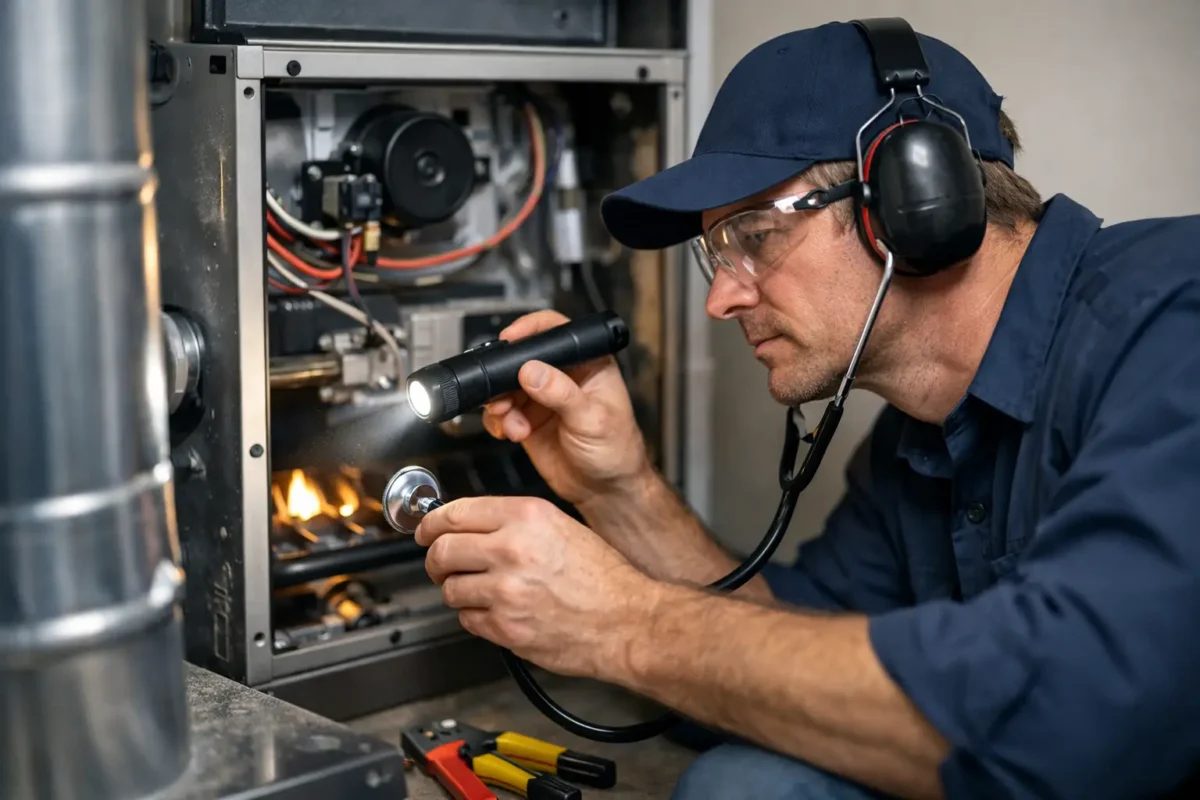
A furnace that suddenly bangs, squeals, or rumbles can make a calm San Jose evening feel much less comfortable. Knowing how to troubleshoot furnace noises starts with recognizing the sound, checking a few safe basics, and knowing when the issue needs a licensed technician instead of a DIY fix.
Some sounds are normal. A brief click as the system starts, gentle airflow through vents, and a light whoosh from the burners are all common. Repeated, loud, or new noises are different. They can point to restricted airflow, loose parts, ignition trouble, or a component nearing failure.
Start With Safety Before Troubleshooting Furnace Noises
Do not remove furnace panels, reach into the cabinet, or attempt to repair gas, electrical, or combustion components yourself. Turn the thermostat to Off before checking anything around the unit. If you smell gas, hear a loud hissing sound near a gas line, see soot, or a carbon monoxide alarm goes off, leave the home immediately and contact your gas utility or emergency services from a safe location.
A furnace that is making noise but still heating may not be an immediate emergency. Even so, do not ignore it for weeks. Small mechanical problems can become a no-heat call, higher utility bills, or an avoidable equipment replacement if they are left unresolved.
Before calling for service, note when the sound occurs. Does it happen only at startup, while air is moving, at shutdown, or all the time? Also notice whether rooms are heating evenly, the furnace is cycling on and off quickly, or the airflow feels weak. These details help a technician diagnose the problem faster and help you understand what is being repaired.
Match the Sound to a Likely Furnace Issue
Banging or booming at startup
A single light pop from sheet metal ducts as they warm up can be normal. A loud boom from the furnace itself is not something to brush aside. On a gas furnace, delayed ignition can allow gas to build up briefly before it ignites, creating a small but forceful boom.
Dirty burners, ignition problems, or an issue with the burner assembly may be involved. Turn the system off and schedule professional heating service. Continuing to run a furnace with repeated booming can damage internal components and may create a combustion safety concern.
Rattling or vibrating
Rattling is often caused by a loose access panel, a loose screw, shifting ductwork, or debris near the furnace. With the thermostat off, you can safely check whether the exterior furnace door is fully seated and whether nearby stored items are touching the unit or ductwork. Clear the area around the furnace so it has proper airflow and a technician has safe access.
If the rattling continues, the cause may be a loose blower assembly, motor mount, or internal part. It may seem minor, but vibration can worsen quickly and place extra strain on the blower motor.
Squealing or screeching
A high-pitched squeal often points to a blower motor issue. In older belt-driven systems, a worn or slipping belt can make this sound. Many modern furnaces do not use belts, so squealing may instead indicate worn motor bearings or another blower component that needs attention.
Do not add lubricant or try to adjust internal parts unless your furnace manufacturer specifically directs it and you are qualified to do so. A professional can determine whether a small repair is possible or whether the motor is approaching the end of its service life.
Scraping, grinding, or metal-on-metal sounds
Grinding and scraping deserve a prompt response. These noises may mean the blower wheel is loose, a motor bearing has failed, or a moving component is rubbing where it should not. Shut the furnace off if the sound is severe or persistent, especially if airflow has dropped or you notice a burning smell.
Running the system can turn a repairable blower problem into damage to the motor, wheel, or housing. A licensed HVAC technician can inspect the assembly and recommend the most cost-effective repair.
Whistling or a loud rushing-air sound
Whistling usually points to airflow restriction. Start with the simplest homeowner check: inspect the air filter. A clogged filter makes the blower work harder, can reduce comfort throughout the home, and may create a noticeable whistling sound at the return grille or furnace cabinet.
Replace a dirty filter with the correct size and type for your system. Avoid choosing an overly restrictive filter just because it sounds more advanced. Some high-density filters can restrict airflow if the system was not designed for them. Also make sure supply vents and return grilles are open and not blocked by furniture, rugs, or curtains.
If a clean filter does not solve the problem, the issue may be undersized ductwork, duct leaks, a poorly fitting return grille, or a blower setting that needs professional adjustment.
Clicking that repeats without heat
One click at the beginning or end of a heating cycle is often normal. Repeated clicking while the furnace fails to start is different. It can involve the igniter, flame sensor, control board, gas valve, or another safety control.
Check that the thermostat is set to Heat and that its temperature setting is above the current room temperature. If the furnace still clicks but does not provide heat, avoid repeated resets. Schedule service instead. Repeated attempts to start can put additional stress on the ignition system.
Rumbling, roaring, or a low droning sound
A brief low rumble after a heating cycle can occur as the system cools. Ongoing rumbling, roaring, or a sound that seems to come from the burner area should be inspected. Possible causes include dirty burners, combustion issues, a venting concern, or a failing inducer motor.
Because these parts are related to safe operation and exhaust handling, this is not a homeowner repair. If you also notice unusual odors, soot around the unit, or headaches and dizziness in the household, turn the system off and seek help right away.
Safe Checks You Can Make at Home
A few basic checks can resolve simple airflow-related noises without putting you at risk. Confirm the thermostat is operating normally, replace a dirty air filter, verify that vents and return grilles are unobstructed, and make sure the furnace access panel is closed securely.
You can also listen from a safe distance and identify the source. A sound at a vent may indicate duct movement or airflow restriction, while a noise inside the furnace cabinet is more likely a mechanical or ignition concern. Do not confuse the two, and do not tape over vents to quiet a whistling sound. Restricting vents can create bigger comfort and equipment problems.
If your furnace is in an attic, garage, closet, or crawlspace, keep flammable items, cleaning supplies, and storage boxes away from it. A clear area supports safer operation and makes it easier to spot new noises or water around the equipment.
When a Furnace Noise Requires Professional Service
Call for heating repair promptly when the furnace makes banging, booming, grinding, scraping, persistent squealing, or repeated clicking sounds. You should also arrange service if the noise is paired with poor heating, short cycling, weak airflow, rising energy costs, or frequent thermostat adjustments to stay comfortable.
A professional inspection is especially worthwhile for older equipment. As motors, bearings, burners, and electrical components age, they can become louder before they fail. Addressing the issue early may preserve a repair option and help you plan ahead if replacement is becoming the smarter long-term choice.
For homeowners, the trade-off is usually simple: a clean filter or loose exterior panel may be an easy fix, but noises involving burners, motors, electrical controls, or exhaust systems need trained attention. Upfront diagnosis gives you a clear picture of the issue, repair options, and expected cost before work begins.
Keep New Furnace Noises From Returning
Annual heating maintenance is one of the best ways to reduce unexpected furnace sounds. During a professional tune-up, a technician can inspect burners, test safety controls, check the blower, tighten accessible hardware, evaluate airflow, and identify wear before it interrupts your heat.
Between visits, change filters on a schedule that fits your household, especially if you have pets, allergies, or frequent dust buildup. Keep vents open, maintain clear space around the furnace, and pay attention to changes in startup and shutdown sounds. Your furnace does not have to be silent, but it should sound consistent and operate without alarming noises.
When a new sound has you second-guessing your heating system, trust that concern. HVAC DOME provides dependable, comfort-focused furnace service for San Jose homeowners, with licensed technicians, upfront pricing, and responsive support when your heat needs attention.