
Heat Pump vs Furnace: Which Is Better?

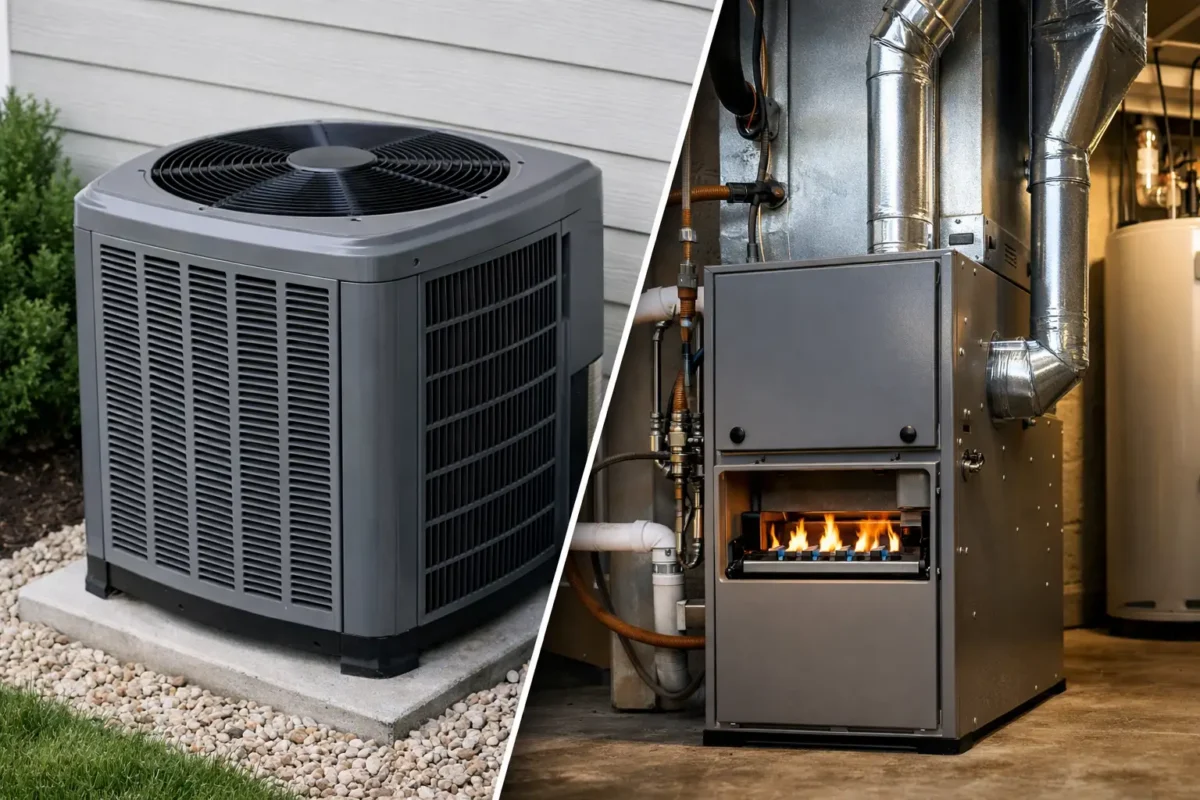
A heating system usually gets your attention on the first cold morning when the house feels off and the thermostat keeps climbing. That is when the heat pump vs furnace question stops being theoretical and becomes a real budgeting, comfort, and reliability decision for your home.
For Bay Area homeowners, the answer is not always the same as it would be in a colder part of the country. San Jose and nearby communities have a milder climate, which changes how each system performs, what it costs to run, and which option makes the most sense over time. If you are replacing an older heater or planning an upgrade, it helps to look past the label and focus on how your home actually uses heat.
Heat pump vs furnace: the basic difference
A furnace creates heat. In most homes, that means burning natural gas to warm air and move it through the ductwork. An electric furnace exists too, but gas furnaces are far more common in our area.
A heat pump works differently. It does not generate heat the same way a furnace does. Instead, it moves heat from outside to inside during cooler weather, then reverses the process in warmer months to cool your home. That makes it both a heating and cooling system in one piece of equipment.
This is the biggest practical difference for homeowners. If you choose a furnace, you still need a separate air conditioner for summer. If you choose a heat pump, one system can usually handle both jobs.
Why climate matters more than most people think
In colder states with long freezes, furnaces often have a clear advantage because they deliver strong, steady heat even when outdoor temperatures drop hard. In San Jose, Sunnyvale, Mountain View, and nearby Bay Area cities, winters are generally moderate. That creates a more favorable environment for heat pumps.
A heat pump tends to perform best where winter temperatures stay relatively manageable. That means many local homeowners can benefit from efficient heating without the extreme cold-weather limitations seen elsewhere. A furnace still works very well here, but it may not always be the most cost-effective choice if energy savings and year-round performance are top priorities.
That said, climate is only part of the picture. Home size, insulation, duct condition, utility rates, and your comfort preferences all matter too.
Upfront cost vs long-term operating cost
For many homeowners, this is where the decision gets real.
A furnace installation may have a lower initial cost if you already have a compatible air conditioning system and existing gas setup in place. Replacing an old furnace with a new furnace is often a straightforward swap, especially when the ductwork is in decent shape.
A heat pump installation can cost more upfront depending on the equipment, electrical needs, and whether you are replacing both heating and cooling at once. But because a heat pump can heat and cool efficiently, it may reduce monthly energy use over time, particularly in a mild climate.
The trade-off is simple. A furnace can be less expensive to install in the right situation, while a heat pump may offer better long-term efficiency. The best value depends on how long you plan to stay in the home and whether your current AC is also nearing replacement.
Comfort feels different with each system
This is one of the most overlooked parts of the heat pump vs furnace conversation.
Furnaces usually produce hotter air at the vents. Many homeowners like that immediate blast of warmth, especially on chilly mornings. The house tends to feel like it heats up quickly, and that can be reassuring.
Heat pumps typically deliver air that feels milder. The system runs longer and more steadily instead of producing short bursts of very warm air. Some people prefer this because temperatures stay more even throughout the home. Others expect the stronger heat they are used to from a gas furnace and need time to adjust.
Neither experience is wrong. It comes down to what feels comfortable to you. If you want intense heat output fast, a furnace often wins. If you want steady, efficient temperature control, a heat pump can be an excellent fit.
Energy efficiency and utility bills
Heat pumps are widely known for energy efficiency, and there is a good reason for that. Because they transfer heat instead of generating it through combustion, they can use less energy in moderate weather.
In the Bay Area, that advantage can be meaningful. Homes that need both heating and cooling may benefit from replacing two aging systems with one efficient heat pump. For homeowners focused on lowering energy use and reducing their carbon footprint, that is often appealing.
Furnaces can still be efficient, especially newer high-efficiency gas models. If your home already relies on natural gas and your heating demand is greater than your cooling demand, a furnace may still make practical sense. But if your current system is older, the gap in efficiency can become harder to ignore.
The right comparison is not just equipment against equipment. It is your current setup against the replacement options available for your home.
Maintenance, repairs, and system lifespan
Both systems need regular maintenance if you want dependable performance.
A furnace requires inspections for burners, heat exchangers, ignition components, safety controls, and airflow issues. With gas equipment, safety matters just as much as efficiency. Carbon monoxide concerns, venting problems, and worn parts should never be ignored.
A heat pump also needs ongoing service, but because it provides both heating and cooling, it works year-round. That means more total operating time. Regular tune-ups help protect efficiency, refrigerant performance, and compressor health.
In practical terms, a furnace and AC setup splits the workload between two systems. A heat pump handles more of the annual comfort load on its own. That does not make one automatically better than the other, but it does mean maintenance should be part of your decision, not an afterthought.
When a furnace makes more sense
A furnace is often a strong choice if your home already has gas service, your air conditioner still works well, and you want the lower upfront cost of replacing only the heating side. It also makes sense for homeowners who strongly prefer hotter supply air and quick warm-up times.
Older homes with existing ducted gas heating systems may be especially good candidates for a furnace replacement, assuming the ductwork is sound and the rest of the system is still in usable condition. If your priority is dependable heating with familiar performance, a furnace remains a proven option.
When a heat pump makes more sense
A heat pump is often the better fit if you want one system for both heating and cooling, lower energy consumption, and strong performance in a mild climate like ours. It can also be an attractive option when your furnace and AC are both aging out at the same time.
If your goal is to modernize your system, improve efficiency, and simplify year-round comfort, a heat pump deserves serious consideration. For many Bay Area households, it lines up well with local weather patterns and energy-conscious home upgrades.
The home itself can decide for you
Even the best equipment recommendation should start with the house. Square footage, insulation quality, window performance, duct leakage, and thermostat placement all affect comfort and efficiency. A system that looks great on paper can still disappoint if the home has airflow or insulation issues.
That is why a real evaluation matters. Sizing equipment correctly is critical. Too large, and the system may short cycle. Too small, and it may struggle to keep up. The right answer is usually based on load calculations and system condition, not guesswork.
For homeowners in San Jose and surrounding cities, this is where working with a licensed local HVAC team helps. HVAC DOME can assess your current setup, explain your options clearly, and give you upfront pricing so you can choose based on comfort, efficiency, and long-term value rather than sales pressure.
So which one is better?
If you want a simple answer, here it is: for many Bay Area homes, a heat pump is an excellent choice because the climate supports efficient performance and year-round use. But a furnace can still be the better option when lower initial cost, existing gas infrastructure, and stronger heat output matter more.
The better system is the one that fits your home, your comfort preferences, and your budget. A good recommendation should account for all three. The smartest next step is not choosing based on a trend. It is choosing based on how you actually live in your home, and how you want it to feel when the weather shifts.