
Is a Heat Pump Worth It in California?

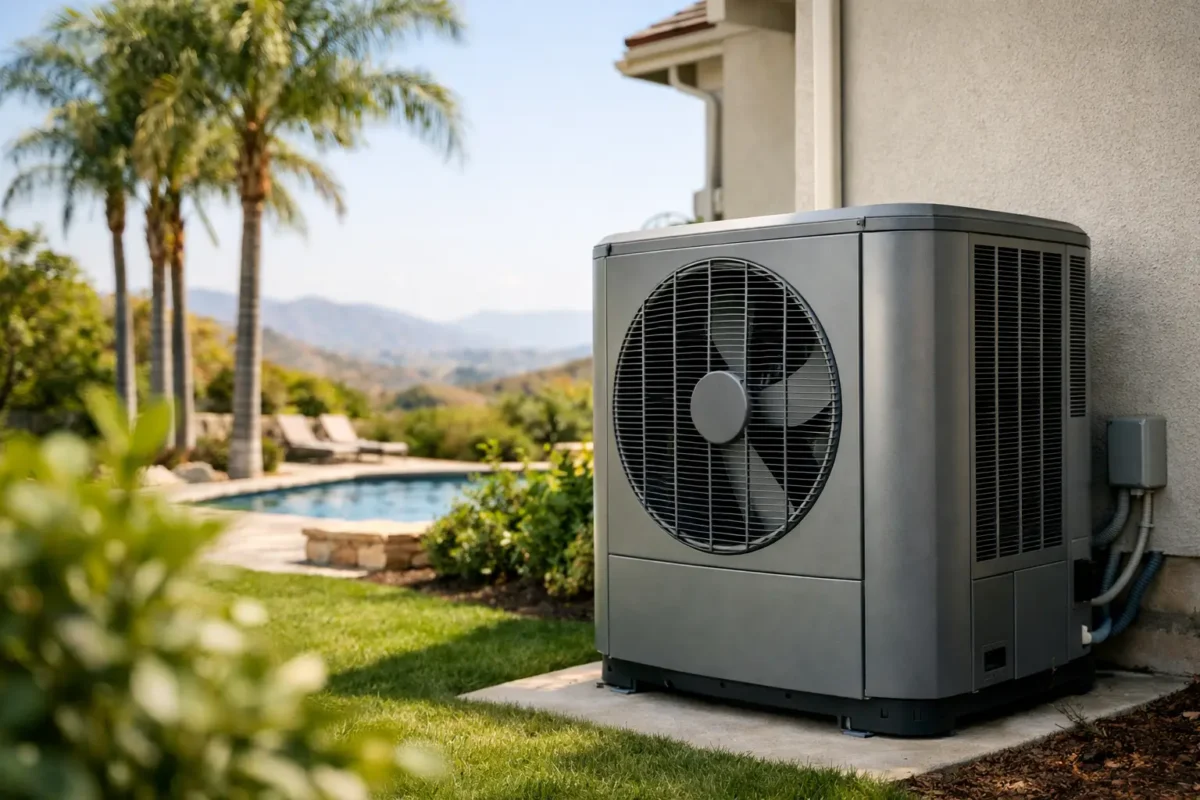
A lot of California homeowners ask the same question right after another high utility bill or a furnace repair estimate: is a heat pump worth it in California? In many cases, yes. But the real answer depends on your home, your current system, your local climate, and whether you want the lowest upfront cost or better long-term efficiency and comfort.
For homeowners in San Jose and the surrounding Bay Area, heat pumps make a lot of sense because our climate is relatively mild. We do not deal with the long, bitter winters that can challenge heating systems in colder parts of the country. That gives heat pumps a strong advantage here. They can provide both heating and cooling in one system, often with lower energy use than traditional equipment.
Why heat pumps make sense in California
A heat pump does not create heat the way a gas furnace does. It moves heat from one place to another. In winter, it pulls heat from the outdoor air and brings it inside. In summer, it works like an air conditioner and moves heat out of your home.
That matters in California because moderate outdoor temperatures help heat pumps run efficiently for much of the year. In places like San Jose, Sunnyvale, Mountain View, and Cupertino, winter temperatures usually stay in a range where modern heat pumps perform well. You get steady comfort without the heavy energy demand that can come with older electric resistance heating.
There is also the convenience factor. If your home currently has both a furnace and an AC unit, a heat pump can replace both with one matched system. That can simplify maintenance and reduce the number of aging components you have to worry about.
Is a heat pump worth it in California for lower bills?
This is where the answer becomes more specific. A heat pump can lower operating costs, but not in every home and not in every utility setup.
If you are replacing electric baseboard heat, an older electric furnace, or an aging AC system, the savings potential is often strong. Heat pumps are generally far more efficient than electric resistance heating, and newer variable-speed models can do a better job managing energy use than older cooling systems.
If you are replacing a natural gas furnace, the math is a little more mixed. California electricity rates can be high, so your heating costs may not always drop compared with gas, especially if your current furnace is fairly efficient. On the other hand, your cooling efficiency may improve, and your year-round comfort may improve as well. Many homeowners decide the value is not just about monthly savings. It is also about replacing two systems with one, reducing fossil fuel use, and getting quieter, more even temperature control.
For Bay Area households, the sweet spot is often a home with an older HVAC setup, rising repair costs, and a homeowner who plans to stay put for a while. In that situation, a heat pump can be a smart long-term investment.
The comfort difference homeowners notice
One of the biggest reasons people end up happy with a heat pump is comfort. Traditional furnaces tend to heat in short, intense cycles. A heat pump, especially a modern inverter model, often runs longer at lower output. That means fewer temperature swings and a more stable indoor feel.
In practical terms, your home may feel less stuffy, less dry, and more consistently comfortable from room to room. During summer, the same system can provide efficient cooling with excellent humidity control.
That said, some homeowners are surprised that heat from a heat pump can feel different from furnace heat. Supply air from a furnace is usually hotter. Heat pump air is warm, but often gentler. The house still reaches the temperature you set, but the sensation can be different. Most people adjust quickly, though it is worth understanding before you install one.
When a heat pump may be worth it in California – and when it may not
A heat pump is often worth it if your current system is old, your AC and furnace are both nearing replacement age, or you want better efficiency in a mild climate. It is also a strong option if you are remodeling, adding ductless zones, or trying to move away from gas appliances.
It may be less compelling if your gas furnace is newer, your ductwork is in poor shape, or your home has insulation and air leakage problems that have not been addressed. In those cases, the heat pump itself may be excellent, but the house may limit its performance.
This is why a proper home-specific evaluation matters. The equipment should be sized correctly, and the condition of your ducts, insulation, thermostat setup, and electrical capacity should all be reviewed. A good installation can make the difference between a system that feels great and one that leaves you disappointed.
Installation cost and long-term value
Upfront cost is usually the biggest hurdle. Heat pump installations can cost more than a basic furnace replacement, especially if you are upgrading from a simpler system or making electrical improvements. If you are replacing both heating and cooling equipment at the same time, the value equation often looks better.
Think of it this way: you are not only buying heating. You are also buying air conditioning and, in many cases, improved efficiency and control. That broader value matters in California, where warm summers are common and dependable cooling is no longer optional for many households.
The long-term payoff depends on how long you stay in the home, how expensive your repairs have become, and how efficiently your new system is designed and installed. The cheapest quote is not always the best value if the system is oversized, poorly matched, or installed without careful airflow planning.
California climate matters more than people think
California is not one climate. Coastal areas, inland valleys, and mountain regions all behave differently. A heat pump that makes perfect sense in San Jose may need a different approach in a colder or more extreme part of the state.
In the Bay Area, moderate winters support heat pump performance. In hotter inland areas, cooling demand may be the bigger concern, which makes efficiency and system sizing especially important. In colder regions, backup heat or a cold-climate model may be worth discussing.
That is why broad statewide advice can miss the mark. The better question is not just is a heat pump worth it in California. It is whether it is worth it in your specific city, home layout, and utility situation.
What Bay Area homeowners should look at before replacing a furnace
Before making the switch, look at the age of your current equipment, recent repair history, your duct condition, and your comfort complaints. If some rooms never cool properly, if your furnace is noisy, or if your AC struggles in summer, a heat pump upgrade may solve more than one problem at once.
You should also consider your plans for the home. If this is your long-term home, investing in efficient, all-in-one comfort usually makes more sense than patching an aging system year after year. If you may move soon, the decision may come down to whether you need a reliable replacement now and how much value improved HVAC adds for potential buyers.
Working with a licensed local contractor helps because recommendations should be based on your actual home, not a generic sales pitch. HVAC DOME focuses on tailored solutions, upfront pricing, and dependable service because homeowners need clear answers, not guesswork.
So, is a heat pump worth it in California?
For many homeowners, yes – especially in the Bay Area. A heat pump can be worth it for the efficiency, year-round comfort, quieter operation, and ability to replace both heating and cooling with one system. It is particularly attractive in mild climates like San Jose, where modern heat pumps can perform very well.
But it is not automatic. If you want the best result, the decision should be based on your utility costs, your existing system, your home condition, and the quality of the installation. A heat pump is only as good as the plan behind it.
If your current furnace or AC is showing its age, this is a good time to ask for a professional evaluation. The right answer is not always the cheapest one upfront. It is the one that keeps your home comfortable, reliable, and efficient for years to come.