
Air Conditioner Installation San Jose Tips

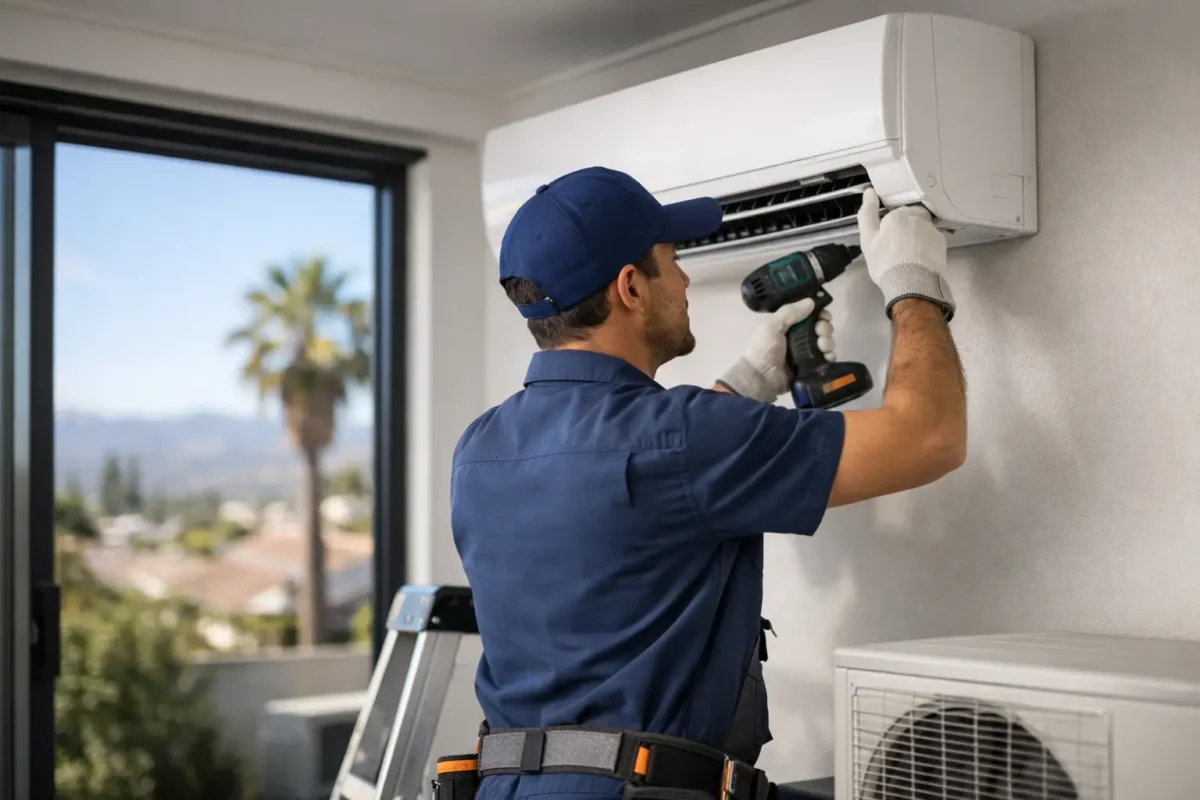
A hot afternoon in San Jose has a way of exposing every weakness in an older AC system. Maybe some rooms stay stuffy while others get too cold. Maybe your unit runs for hours and still leaves the house uncomfortable. When you start looking into air conditioner installation San Jose homeowners actually feel good about, the real question is not just which unit to buy. It is which setup will keep your home comfortable, efficient, and dependable when you need it most.
What good air conditioner installation in San Jose should solve
A new air conditioner is not just a box that blows cold air. It is part of your home comfort system, and if the sizing, airflow, or installation quality is off, even a high-end unit can disappoint. Homeowners usually notice this in practical ways – uneven temperatures, noisy operation, higher electric bills, and constant thermostat adjustments.
In San Jose, that matters because homes vary widely. A smaller ranch home in one neighborhood may need a very different solution than a two-story house with aging ductwork in another. Sun exposure, insulation levels, ceiling height, window placement, and even how your family uses the home all affect the right recommendation.
That is why the best installation process starts with your house, not with a sales pitch. A trustworthy contractor should look at your layout, ask about hot and cold spots, inspect your existing equipment, and explain your options in plain language. Homeowners deserve more than a rushed estimate and a one-size-fits-all answer.
Why sizing matters more than most homeowners expect
One of the biggest mistakes in air conditioner installation San Jose projects is incorrect sizing. Many people assume a larger unit will cool faster and perform better. In reality, an oversized system can short cycle, turning on and off too often without removing enough humidity or creating stable comfort. A system that is too small may run constantly, struggle on hotter days, and wear itself down faster.
Proper sizing is about balance. The goal is steady, efficient cooling that matches the needs of your home. That usually requires more than a quick square-foot estimate. A careful contractor considers insulation, windows, duct condition, occupancy, and heat gain throughout the house.
This is also where energy savings start. The right size, installed correctly, often performs better than a more expensive unit that was chosen without enough evaluation.
What affects installation cost
Homeowners naturally want a clear price, and that is reasonable. But AC installation cost is shaped by more than the equipment itself. The size of the unit, the efficiency rating, the condition of your ductwork, electrical updates, thermostat compatibility, and any needed code-related improvements can all affect the final number.
If your current system is old, installation may uncover related issues that should be addressed at the same time. Leaky ducts, poor return airflow, or an outdated refrigerant line set can limit the performance of a new unit. Skipping those corrections might reduce the upfront price, but it can also reduce comfort and system life.
That does not mean every home needs major add-ons. It means honest recommendations matter. Upfront pricing should be clear about what is included, what is optional, and what problems each item solves. For most homeowners, peace of mind comes from knowing they are paying for lasting comfort, not surprise extras.
Choosing the right system for your home
Not every household needs the same type of cooling system. For some homes, a standard central air conditioner paired with existing ductwork is the most practical path. For others, a heat pump may be worth considering, especially if energy efficiency and year-round performance are priorities. In homes with airflow issues or room additions, ductless options may also make sense.
The right choice depends on your goals. If your main concern is replacing a failing AC quickly before peak heat arrives, a like-for-like system swap may be the simplest route. If your utility bills have been climbing and comfort has been inconsistent for years, it may be worth stepping back and looking at the full system instead of only replacing the outdoor unit.
This is where a homeowner-focused contractor adds real value. Good recommendations should reflect how long you plan to stay in the home, how much efficiency matters to you, and whether your current ductwork and indoor equipment are still supporting good performance.
Signs it is time to replace instead of repair
Many homeowners call for repair first, and that often makes sense. But there comes a point when repeated service calls stop being the smart financial choice. If your system is older, uses outdated refrigerant, struggles to cool evenly, or breaks down during warm weather more than once, replacement may offer better long-term value.
Another sign is rising operating cost. When an AC runs longer to do less work, you feel it in both comfort and utility bills. If your home never quite reaches the temperature you set, the issue may be bigger than a single repair.
A professional assessment should help you compare both paths honestly. Sometimes a repair can buy you more time. Other times, investing in a new installation now helps you avoid repeat disruptions and gives you a more reliable system going into the hotter months.
What the installation process usually looks like
For homeowners who have never replaced an AC system, the process can feel bigger than it really is. In most cases, it starts with an in-home evaluation. The contractor checks your current equipment, reviews your comfort concerns, measures the home as needed, and discusses system options.
Once you approve the estimate, the installation is scheduled. On installation day, the old equipment is removed, the new system is set in place, connections are completed, and the system is tested for safe, proper operation. Depending on the home, that may also include thermostat updates, refrigerant line work, electrical adjustments, or duct modifications.
A quality install should not end when the equipment turns on. Homeowners should get a clear walkthrough of the thermostat, basic maintenance guidance, and an explanation of what to expect from the new system. You should not be left guessing whether everything is operating the way it should.
Why local experience matters in San Jose
San Jose homeowners are not just buying cooling equipment. They are choosing a service partner who understands local homes, seasonal demand, and the expectations that come with working inside an occupied house. Responsiveness matters when your AC fails during a hot week. So does professionalism, especially when you are making a larger home investment.
Local experience also helps with practical recommendations. Contractors familiar with Bay Area homes know that comfort issues are not always about the condenser outside. Older ductwork, insulation gaps, room additions, and thermostat placement can all change the result. A dependable installer looks at the whole picture.
That is one reason many homeowners choose a company like HVAC DOME. The value is not only in installing equipment. It is in getting licensed technicians, straightforward communication, and a comfort-first approach that respects your time, your home, and your budget.
How to choose a contractor with confidence
If you are comparing providers, look beyond the headline price. Ask whether the estimate includes system sizing, installation details, warranty information, and any recommended duct or airflow improvements. A low quote can become expensive if important steps are skipped.
It also helps to pay attention to how the company communicates. Do they answer questions directly? Do they explain options without pressure? Do they offer upfront pricing and stand behind their work? Those are strong signals that the experience after installation will be as solid as the sales process.
Home comfort work is personal. The people you hire are working on equipment your family depends on, and they are doing that inside your home. Trust is not a bonus. It is part of the service.
A new AC system should make your home feel easier to live in, not harder to manage. If your current unit is falling behind, now is a good time to ask better questions, weigh your options carefully, and choose an installation that gives you comfort you can actually count on.