
Top Benefits of Duct Sealing for Your Home

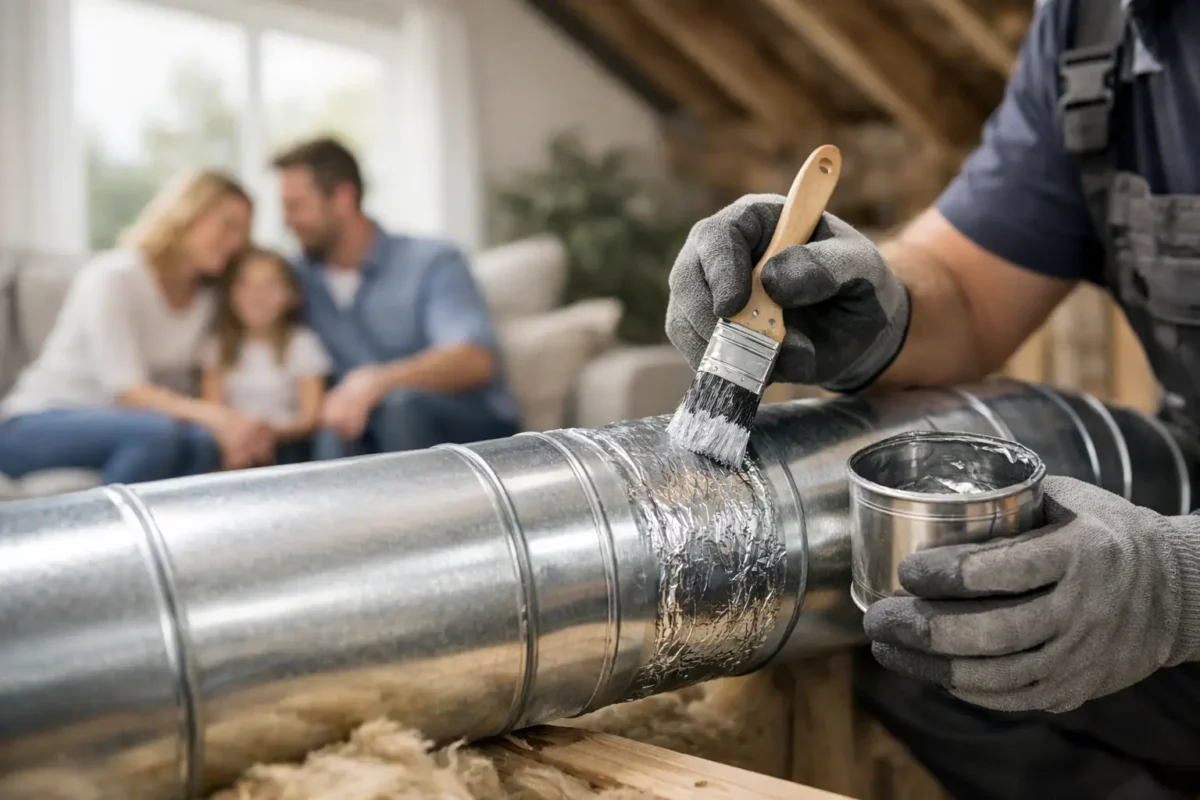
A Bay Area home can have a high-efficiency furnace or air conditioner and still feel uneven from room to room. The missing piece is often hidden above the ceiling, below the floor, or behind the walls: leaky ductwork. Understanding the top benefits of duct sealing helps homeowners address comfort problems at their source instead of asking their HVAC system to work harder than it should.
Ducts carry heated and cooled air to every room in your home. When joints separate, connections loosen, or older duct materials develop tears, a portion of that conditioned air escapes before it reaches the rooms where your family needs it. Professional duct sealing closes those gaps so your heating and cooling equipment can do its job more reliably.
Top Benefits of Duct Sealing for San Jose Homes
More consistent comfort from room to room
A bedroom that stays stuffy in summer, a living room that feels chilly in winter, or a home office that never reaches the thermostat setting can all point to duct leakage. Air naturally follows the easiest path. If there is an opening in a duct run, conditioned air may spill into an attic, crawl space, garage, or wall cavity rather than traveling to the intended vent.
Sealing accessible leaks helps direct more of that air where it belongs. This can reduce temperature swings between rooms and make your home feel more balanced throughout the day. It is especially valuable in homes with long duct runs, finished additions, rooms over garages, or upper floors that struggle during warm weather.
Duct sealing cannot solve every hot or cold room by itself. An undersized HVAC system, poor attic insulation, sun exposure, closed or blocked vents, and incorrect duct design can also affect comfort. A qualified technician can identify whether leakage is the main issue or one part of a larger solution.
Lower energy waste and utility costs
When air leaks from the duct system, your furnace, heat pump, or air conditioner may run longer to satisfy the thermostat. That extra runtime uses more electricity or gas without giving your household the comfort you are paying for.
One of the most practical benefits of duct sealing is reducing this avoidable waste. With fewer leaks, more conditioned air reaches the living areas, and the system may be able to maintain indoor temperatures with less effort. The exact savings depend on the size and location of the leaks, the condition of your equipment, local energy rates, and how you use your home.
For San Jose homeowners, energy efficiency is not just about lowering a monthly bill. It is also about getting better value from the heating and cooling system already installed in your home. Before replacing equipment because it seems to run constantly, it makes sense to have the ducts evaluated.
Better support for indoor air quality
Leaky return ducts can pull air from places it was never meant to come from, including dusty attics, crawl spaces, and wall cavities. That air can carry particles, insulation fibers, odors, or other contaminants into the HVAC system and then into your living spaces.
Duct sealing helps limit unwanted air from entering the system through gaps and disconnected sections. It does not replace regular filter changes, proper ventilation, duct cleaning when truly needed, or treatment for moisture and mold concerns. Still, a tighter duct system gives your filter a better chance to capture the particles it is designed to handle rather than allowing unfiltered air to bypass it.
Homeowners may notice less dust collecting near vents or on furniture after leaks are corrected, although results vary based on pets, outdoor conditions, household activity, and filtration. If family members have allergies or respiratory sensitivities, a complete assessment of filtration, ventilation, humidity, and duct condition is the most responsible approach.
Less strain on your heating and cooling equipment
HVAC equipment is built to cycle, but frequent or extended operation caused by air loss can add unnecessary wear over time. Motors, compressors, blowers, and other components have to work harder when the system cannot deliver enough conditioned air through the ducts.
Sealed ductwork supports normal system operation. It may help reduce excessive runtime and improve airflow, which can contribute to more dependable performance. That does not guarantee a longer equipment life, but it removes one common source of avoidable strain.
This matters whether your home uses a traditional furnace and air conditioner or a heat pump. Efficient equipment still depends on a sound distribution system. Installing a high-performance unit on severely leaky ducts can leave much of its potential on the table.
Improved airflow without turning down the thermostat
Many people respond to an uncomfortable room by lowering the AC setting or raising the heat. If duct leakage is the cause, that change can make the system run longer while doing little to fix the actual airflow problem.
Sealing leaks can improve the amount of air delivered to vents, particularly when gaps are near major trunk lines or branch connections. You may feel stronger, more reliable airflow in rooms that previously seemed under-served. Proper airflow also helps equipment operate closer to its intended performance range.
However, vents should not be closed throughout the home in an effort to force air into one room. Restricting too many supply vents can create pressure issues and may reduce system efficiency. A technician can recommend more effective options, such as sealing, balancing, duct modifications, insulation improvements, or zoning where appropriate.
A more comfortable home through every season
Bay Area weather calls for flexibility. Warm inland afternoons, cooler nights, and seasonal temperature shifts can expose weak points in a duct system. A home that feels acceptable on a mild day may reveal airflow problems when the AC or heater needs to work harder.
Duct sealing helps create a stronger foundation for year-round comfort. During summer, it helps preserve cooled air on its route to bedrooms and living areas. During cooler months, it helps keep heated air from escaping into unconditioned spaces. The goal is simple: the comfort your system produces should reach your family, not your attic or crawl space.
What Professional Duct Sealing Should Include
Not every duct issue can be solved with a quick application of tape. Common household duct tape is not designed to provide a durable seal on HVAC ductwork and can fail under changing temperatures. Professional service starts with an inspection of accessible ducts, connections, boots, plenums, and signs of damage or disconnection.
A technician may look for loose joints, crushed flexible ducts, deteriorated insulation, gaps around registers, and evidence of air loss. The right repair depends on the duct material and location. Some sections can be sealed at joints, while badly damaged or undersized ducts may need repair or replacement for a lasting result.
In older homes, portions of the duct system may be difficult to access. That can affect the scope and cost of work. Upfront recommendations should explain what can be sealed, what condition the ducts are in, and whether additional repairs would provide a meaningful comfort improvement.
Signs It May Be Time to Schedule an Inspection
You do not need to see a visible tear to suspect a duct problem. Persistent dust, unusual temperature differences, weak airflow, rising energy costs, rattling ducts, and HVAC equipment that seems to run too long are all worth investigating. Musty odors near vents or a room that never seems to match the rest of the home can also point to ductwork concerns.
A professional inspection is particularly worthwhile after a remodel, pest activity in the attic or crawl space, water damage, or installation of new heating and cooling equipment. These events can disturb duct connections or reveal weaknesses that had gone unnoticed.
At HVAC DOME, our licensed technicians focus on practical answers, clear recommendations, and homeowner comfort. If leaky ducts are reducing the performance of your heating or cooling system, a careful evaluation can help you decide whether sealing, repair, or replacement is the right next step. The most useful improvement is the one that helps your home feel dependable when your family needs it most.