
Heat Pump Water Heater Review: Worth It?

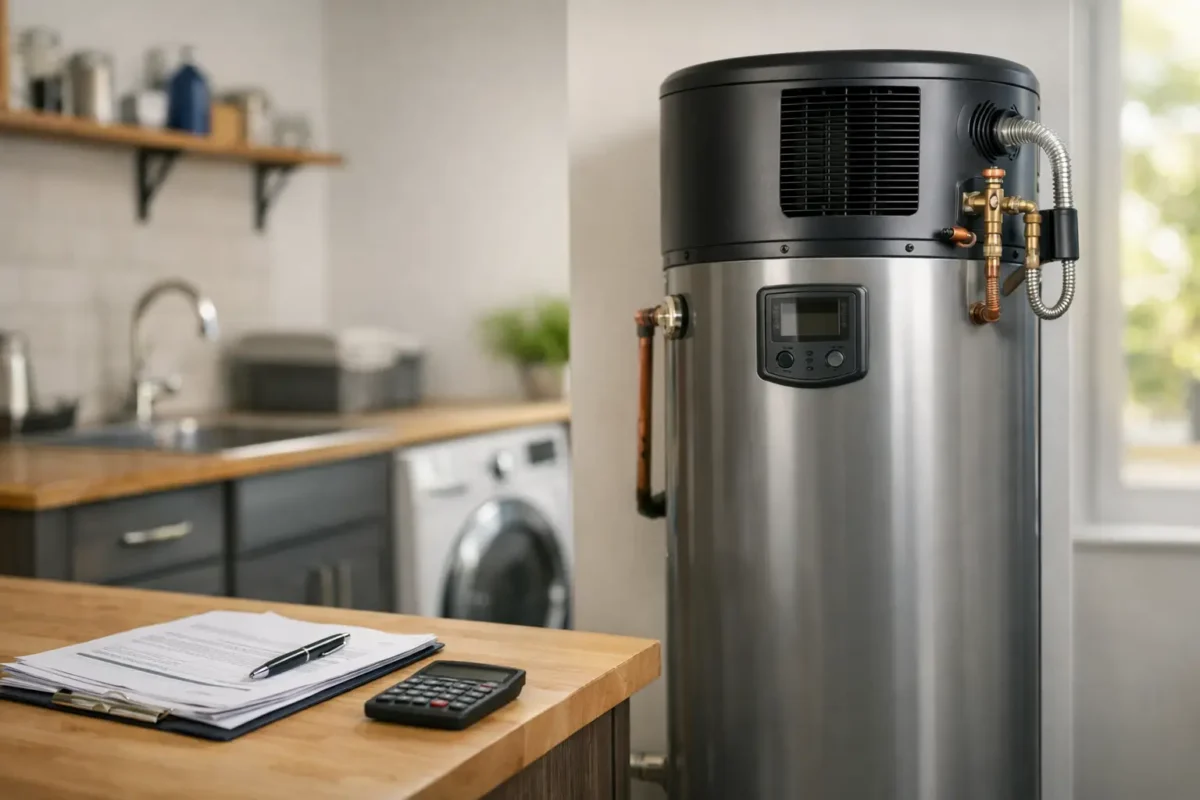
A water heater usually gets attention only when the shower turns cold or a tank begins leaking. But for San Jose homeowners planning ahead, a heat pump water heater review should start with a more useful question: can this upgrade lower your electric bill without creating new comfort or installation problems? For many Bay Area homes, the answer is yes – provided the unit is sized and installed for the space.
A heat pump water heater is not simply a standard electric tank with a new label. It pulls warmth from the surrounding air and transfers that heat into the water. Because moving heat requires less electricity than creating heat with electric resistance elements, these units can be far more efficient than a conventional electric water heater.
Heat Pump Water Heater Review: The Real Benefits
The biggest advantage is efficiency. A properly selected heat pump water heater can use substantially less energy than a traditional electric tank. That can make a meaningful difference for households with steady hot-water use, especially where electricity costs are a concern.
Most models also offer multiple operating modes. Heat pump-only or efficiency mode prioritizes energy savings. Hybrid mode uses the heat pump first and can activate electric elements when demand is high. Electric or high-demand mode is available on many units when a household needs the fastest possible recovery. This flexibility is helpful for families whose hot-water needs change from day to day.
There is another benefit that can be especially welcome in a garage, utility room, or laundry area: the unit cools and dehumidifies the nearby air as it runs. During a warm San Jose summer, that may be a small plus. In a tight interior closet, however, that same cooling effect can be less desirable. The installation location matters as much as the equipment itself.
For homeowners replacing an aging electric water heater, the move is often straightforward from a fuel perspective because the home already relies on electricity at that location. The project may still require electrical upgrades, condensate drainage, earthquake strapping, and enough clearance for proper airflow. A professional site visit helps identify those needs before the work begins.
The Trade-Offs Homeowners Should Know
Efficiency does not mean every home is an automatic fit. A heat pump water heater costs more upfront than a standard electric tank. Available rebates, tax credits, and utility programs may reduce that difference, but program rules, funding, and eligibility can change. It is wise to treat incentives as a potential benefit, not the only reason to choose a system.
These units also make some noise. The sound is often comparable to a refrigerator, fan, or small dehumidifier. It is typically not disruptive in a garage, basement, or dedicated utility space, but placement next to a bedroom wall or in a frequently used living area deserves more thought.
Space is another practical issue. Heat pump systems need room to pull in and release air. A cramped closet may not provide the air volume required for efficient operation unless the installation includes louvered doors or ducting designed for the equipment. The unit also needs a drain or condensate pump because it removes moisture from the air.
Recovery time can be slower in efficiency mode than with gas water heaters or conventional electric tanks operating at full output. That does not mean a large family cannot use a heat pump water heater. It means sizing and operating mode need to match the household. A family of five with back-to-back showers may need a larger tank, a hybrid setting, or a model selected for higher first-hour hot-water delivery.
Finally, these systems perform best in spaces that remain reasonably temperate. A cold, unconditioned area can reduce efficiency because there is less heat in the air to capture. Bay Area garages are often moderate enough for strong performance, but every home has different conditions.
How It Compares With Other Water Heater Choices
A conventional electric water heater is generally less expensive to purchase and install. It is simple, quiet, and works in compact spaces. Its downside is higher energy use over time. If a homeowner needs a low-cost replacement immediately and cannot make electrical or space modifications, conventional electric can still be a sensible short-term choice.
A gas tank water heater typically offers fast recovery and can serve high-demand homes well. For homes with an existing gas line and venting, replacement can be familiar and practical. However, gas systems have combustion and venting requirements, and their long-term operating costs depend on local utility rates and household use.
Tankless gas water heaters save floor space and provide hot water on demand, but installation can be more involved than homeowners expect. Gas-line sizing, venting, and water-treatment considerations may add to the project cost. They are not automatically the most economical option for every household.
A heat pump water heater is often the strongest choice for homeowners who want to reduce electric water-heating costs, have adequate installation space, and plan to stay in the home long enough to benefit from the efficiency savings. It can be especially appealing when paired with solar power or broader home electrification plans.
Choosing the Right Tank Size
Tank size should reflect real routines, not just the number printed on the old water heater. Consider how many people live in the home, whether showers happen close together, how often the dishwasher and laundry run, and whether a soaking tub is used regularly.
A smaller household may do well with a 50-gallon unit, while a family with several simultaneous morning routines may be better served by a 65- or 80-gallon model. First-hour rating is also important. It estimates how much hot water the unit can provide during a period of high use, accounting for stored hot water and recovery performance.
Do not assume a larger tank is always better. An oversized unit costs more and takes up more room. The goal is dependable hot water during your busiest hour without paying for capacity your household will rarely use.
Questions to Ask Before Installation
Before approving an installation, ask whether the selected model has enough first-hour capacity for your home, what operating mode is recommended, and where the condensate will drain. You should also confirm whether the existing electrical circuit is adequate and whether a panel upgrade could be required.
For San Jose-area homes, ask about local permitting, seismic strapping, drain-pan requirements, and available incentives. Upfront pricing should account for likely installation work, not just the water heater itself. A clear estimate reduces surprises when the old tank is already failing.
What Professional Installation Changes
A heat pump water heater can deliver excellent results, but performance depends on details that are easy to overlook. The unit must be level, secured properly, connected to a safe temperature-and-pressure relief discharge line, and installed with a reliable condensate solution. Airflow around the equipment cannot be treated as an afterthought.
A licensed technician can also evaluate whether the location will make noise noticeable, whether the area gets too cold in winter, and whether ducting could improve the setup. For a garage installation, the team should consider vehicle clearance, floor drainage, and access for future maintenance.
At HVAC DOME, our approach is to recommend equipment around the home and household, not just replace one tank with another. That means explaining the expected benefits, the limitations, and the full installation scope before work begins.
Is a Heat Pump Water Heater Worth It?
For many homeowners, yes. A heat pump water heater is worth serious consideration when the home has sufficient space, suitable electrical capacity, and a household that uses enough hot water to benefit from its efficiency. It is less compelling when the only available location is a tiny interior closet, when immediate budget constraints outweigh long-term savings, or when high-demand use calls for a different solution.
The best decision is rarely based on the sticker price alone. Look at installation requirements, expected energy use, available incentives, daily hot-water habits, and how long you expect to own the home. A properly matched system can provide reliable hot water while helping reduce one of the larger energy loads in an all-electric household.
If your current water heater is aging, leaking, or struggling to keep up, schedule an evaluation before it becomes an emergency. A little planning gives you the room to choose the water-heating solution that keeps your home comfortable, dependable, and ready for the routines that matter.