
Repair or Replace Radiator? What to Do

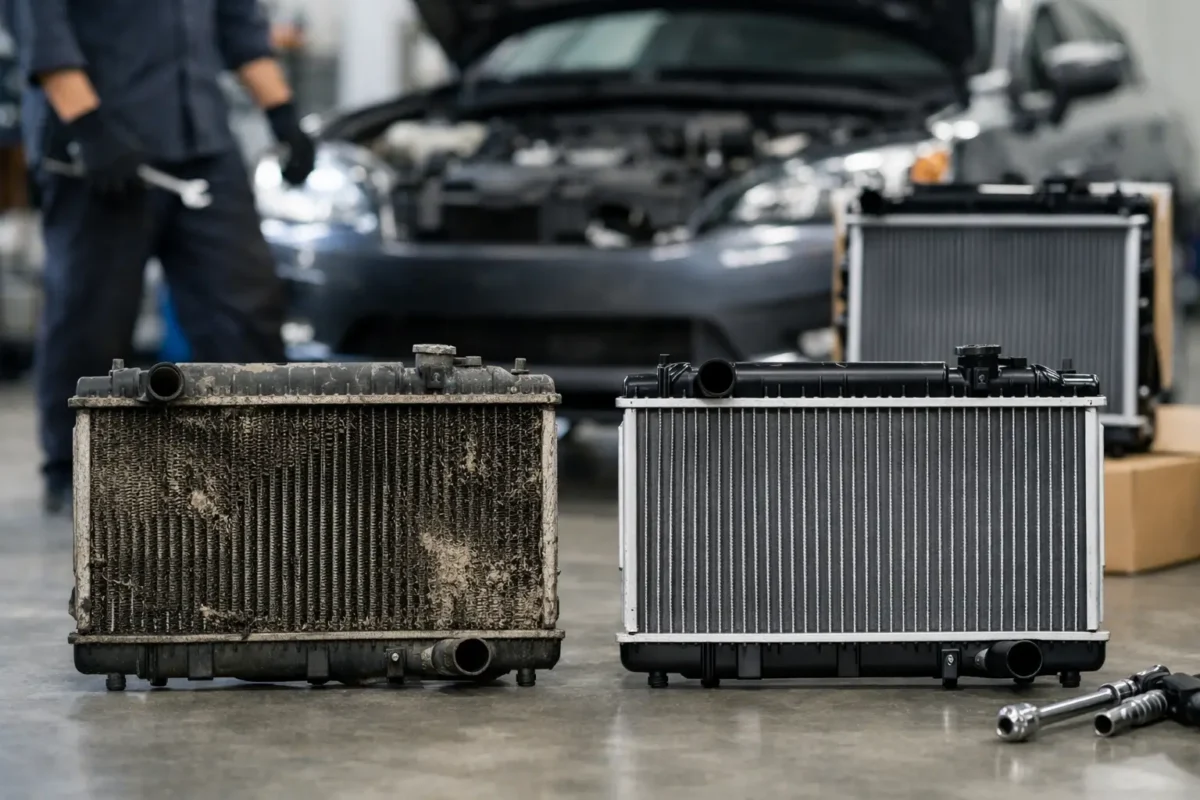
A radiator problem usually announces itself at the worst time – when your home feels cold, the system is making noise, or you notice water where it should never be. If you are trying to decide whether to repair or replace radiator equipment in your home, the right answer depends on the age of the unit, the severity of the issue, and how reliably your heating system is performing overall.
For Bay Area homeowners, this decision is not just about fixing one part. It is about comfort, safety, energy use, and whether a quick repair will actually hold up through the next cold stretch. A small issue can often be corrected quickly. A worn-out radiator or a larger system problem can keep costing you money if it is patched instead of properly addressed.
When a radiator repair makes sense
Not every radiator problem means replacement. In many homes, a targeted repair is the most practical and cost-effective option, especially if the radiator is still in decent condition and the rest of the heating system is working as it should.
A repair often makes sense when the issue is isolated. For example, trapped air can cause uneven heating, gurgling sounds, or cold spots. Bleeding the radiator may solve the problem without major work. A faulty valve, a loose connection, or minor corrosion around a fitting may also be repairable if caught early.
Leaks are a good example of where the details matter. A leak at a valve or joint may be fixable. A leak caused by rust eating through the radiator body is a different story. That usually points to internal deterioration, and the repair may not last.
If your radiator is relatively newer and has not needed repeated service calls, repair is often the smart first step. The same is true if the cost of the repair is modest compared to replacement and the technician confirms the rest of the unit is sound.
Signs it may be better to replace the radiator
Sometimes the better value is not another repair. It is replacing the radiator before it creates bigger comfort or water damage issues.
Age is a major factor. Older radiators can keep functioning for a long time, but efficiency and reliability tend to drop as components wear down. If your radiator is showing heavy corrosion, frequent leaks, or uneven heat despite prior service, replacement may save you from recurring repair bills.
Performance also matters. If one room never seems comfortable, even when the heat is running, the radiator may no longer be transferring heat efficiently. Sludge buildup, internal rust, and long-term wear can all reduce output. You can keep repairing symptoms, but eventually the radiator itself becomes the problem.
Visible damage is another clear warning sign. Cracks, deep rust, persistent leaking, and warped sections usually mean the unit has moved beyond a simple fix. In those cases, replacing the radiator is often the safer choice for your home and your heating system.
Repair or replace radiator: the cost question
Most homeowners start with cost, and that is reasonable. But the lowest immediate price is not always the lowest total cost.
A repair usually costs less upfront. If the issue is minor and the radiator has years of life left, that can be money well spent. The trouble starts when a radiator needs one repair after another. At that point, you are paying repeatedly to keep an aging unit going while still dealing with lower performance and the risk of a larger failure.
Replacement costs more initially, but it can improve reliability, reduce future repair needs, and help your heating system operate more efficiently. If the radiator is outdated or damaged beyond a dependable repair, replacement often becomes the better financial decision over time.
A good rule of thumb is to compare the repair cost against the age and condition of the radiator. If the repair is substantial and the unit is already near the end of its useful life, replacement deserves serious consideration.
Common radiator problems and what they usually mean
Cold spots and uneven heating
If the radiator is warm in one area and cold in another, trapped air or internal sludge may be the cause. Both can sometimes be corrected, but if the problem keeps returning, the radiator may be deteriorating internally.
Leaking water
Water around the radiator should never be ignored. A small valve leak may be repairable. Leaks from the body of the radiator are more concerning and often point to corrosion that cannot be reversed.
Banging, clanking, or gurgling sounds
Noisy radiators can result from air in the system, pressure issues, or circulation problems. Some of these are repair issues. If the noise comes with poor heating performance or visible wear, replacement may be closer than you think.
Rust and corrosion
Surface rust is one thing. Deep corrosion is another. Once metal starts breaking down, repairs become less dependable, and the risk of leaks goes up.
How the full heating system affects the decision
A radiator does not work alone. It is connected to the larger heating system, and that bigger picture matters.
If the boiler, piping, controls, or circulator components are also aging, replacing one radiator may only solve part of the problem. On the other hand, if the system is generally in good shape and one radiator has failed, replacing that single unit can be a very reasonable fix.
This is why a professional diagnosis matters. Homeowners often focus on the visible symptom, but the root cause may be elsewhere. A radiator that does not heat properly may not actually be the main issue. Low system pressure, air in the lines, valve failure, or circulation problems can all mimic radiator failure.
For homes with older heating equipment, this is also a good time to think about efficiency and comfort upgrades. If you are already investing in repairs, it may make sense to ask whether a replacement could improve room-by-room heating and reduce future service needs.
What Bay Area homeowners should consider
In San Jose and nearby communities, homeowners often want a practical answer, not a sales pitch. That is especially true when a heating problem shows up unexpectedly.
The right choice usually comes down to three things: how urgent the problem is, how much confidence you have in the radiator’s remaining life, and whether the repair actually solves the problem for more than one season.
If the radiator has been dependable, the damage is limited, and the repair is straightforward, fixing it can be the right move. If the unit is old, leaking, rusty, or delivering poor heat after prior service, replacement is often the better long-term call.
Trust also matters. You want a licensed technician who will explain the condition clearly, give you upfront pricing, and help you weigh both options without pressure. That is the kind of service homeowners should expect from a local company like HVAC DOME.
Repair or replace radiator: questions to ask before you decide
Before approving any work, ask a few simple questions. Is the problem isolated or a sign of larger wear? How long is the repair expected to last? Is the radiator safe to keep using? How does the repair cost compare with replacement? Will a replacement improve comfort or efficiency in that room?
Clear answers can prevent a rushed decision. They also help you understand whether you are paying for a true solution or just a temporary patch.
A smarter way to make the call
When a radiator starts failing, homeowners often feel pushed into a quick yes or no decision. In reality, the best answer is based on condition, not guesswork.
Repair when the issue is minor, the radiator is structurally sound, and the fix offers real value. Replace when corrosion, leaks, age, or repeat problems suggest the unit is no longer dependable. The goal is not just to get the heat back on today. It is to restore comfort with a solution you can feel good about next month and next winter too.
If you are unsure, start with an honest inspection and a clear explanation of both paths. A good heating decision should leave you with more confidence, not more questions.