
Heat Pump Rebate Examples for San Jose Homes

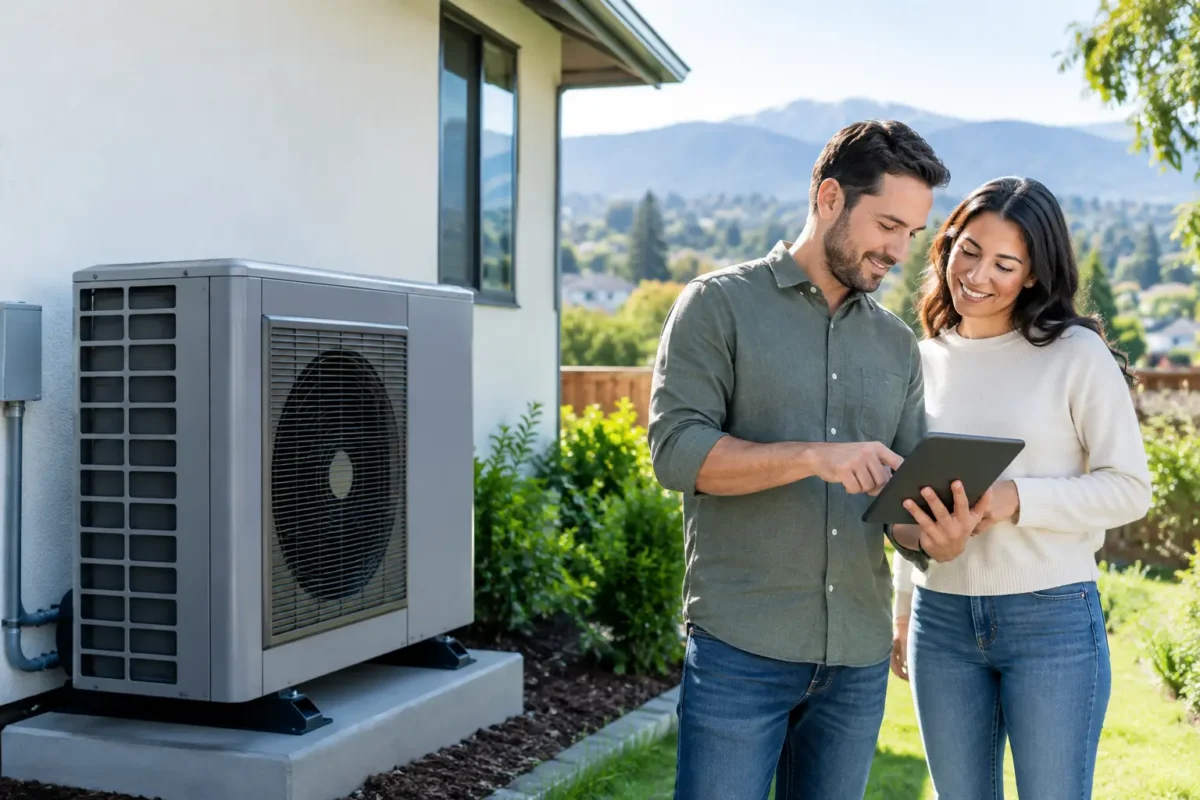
A heat pump replacement can feel like a major expense until you look at the incentives attached to it. For many Bay Area homeowners, heat pump rebate examples make the real cost easier to understand: a qualifying system may be eligible for a utility incentive, a tax credit, or both, depending on the equipment, household, and program rules in effect when you apply.
The key is not to shop by rebate amount alone. A lower-priced system that does not fit your home, electrical capacity, or comfort needs can cost more in repairs and energy use later. The best upgrade balances available incentives with dependable heating, cooling, installation quality, and year-round comfort.
What Heat Pump Rebates Can Cover
A heat pump moves heat rather than creating it through combustion. In San Jose’s mild climate, that can make it an efficient way to replace an aging furnace and air conditioner with one all-electric system. Some homeowners choose a ducted central heat pump, while others use ductless units for additions, older homes, or rooms that never seem to stay comfortable.
Rebate programs often encourage high-efficiency electric equipment because it can reduce energy use and help homes transition away from gas-fired heating. Program requirements vary, but incentives may be tied to the heat pump’s efficiency rating, installation date, contractor documentation, location, and whether the project replaces a gas furnace or older AC system.
There are usually three different sources homeowners hear about: utility rebates, state or regional programs, and federal tax credits. These are not interchangeable. A rebate generally lowers the project cost or is paid after installation. A tax credit may reduce eligible federal income tax liability when you file your return. Each has its own requirements, and availability can change with funding and program updates.
Heat Pump Rebate Examples: What Savings Can Look Like
The following examples are for planning purposes, not guaranteed offers. Actual savings depend on your address, utility provider, equipment model, income eligibility where applicable, and the rules in place before installation. Always confirm incentives before signing a contract or ordering equipment.
Example 1: Replacing an older furnace and AC system
Imagine a San Jose homeowner with a furnace that is nearing the end of its service life and an air conditioner that needs frequent repairs. They choose a qualifying ducted heat pump to provide both heating and cooling. The installed project price is $18,000.
If a local utility or regional program offers a $1,500 rebate for eligible heat pump equipment, the homeowner’s out-of-pocket project cost could fall to $16,500. If the homeowner also qualifies for a federal energy-efficiency tax credit, that may further reduce their tax liability, subject to the current annual limit and tax rules.
The important detail is sequencing. The contractor may need to provide an invoice with the model numbers, efficiency information, and installation details. The homeowner may need to apply for the rebate within a set window. Missing paperwork or installing nonqualifying equipment can put the incentive at risk.
Example 2: A higher-efficiency system with electrical work
A Cupertino homeowner wants to replace a gas furnace and older AC with a premium variable-speed heat pump. The equipment provides quiet operation, steadier temperatures, and better humidity control, but the project also requires electrical-panel work. The total is $25,000, including the electrical upgrade.
A heat pump rebate may apply to the HVAC equipment, while a separate incentive may be available for qualifying electrical improvements. The homeowner should not assume every line item receives the same rebate. In this example, a $2,000 heat pump incentive and a separate $1,000 electrical incentive would bring the initial project total to $22,000 before any eligible tax credit.
This is where a clear, upfront estimate matters. It should show what is included in the installation, what work may qualify for incentives, and what costs remain the homeowner’s responsibility. Electrical upgrades can be worthwhile for safety and future appliance needs, but they can change the budget considerably.
Example 3: Income-qualified assistance for a lower upfront cost
Some programs are designed for households that meet income requirements. A Mountain View homeowner may find that an income-qualified program provides a larger point-of-sale discount than a standard utility rebate. On a $16,000 qualifying heat pump installation, an approved program could potentially reduce the immediate cost by several thousand dollars.
The trade-off is that these programs can involve more documentation, including proof of household income, residency, and eligibility. Funding may also be limited. A homeowner should confirm approval steps early rather than assuming a rebate will be available after the work is complete.
For families replacing a failed furnace, timing can be stressful. An experienced local HVAC team can help explain the equipment options and documentation needed, but no contractor should promise an incentive until the program’s requirements are verified.
Example 4: Ductless heat pump for a problem room or smaller home
Not every project involves replacing a full central HVAC system. A Los Gatos homeowner with a hot upstairs bedroom, converted garage, or home office may install a ductless mini-split heat pump. The project costs $8,500.
If the selected ductless model meets the applicable program requirements, it may qualify for a rebate. But smaller projects sometimes receive a different incentive amount than whole-home replacements, and some programs prioritize certain equipment types. A $750 rebate, for example, would lower the immediate project cost to $7,750.
In this situation, the value is not only the rebate. A properly sized ductless heat pump can give a hard-to-condition space independent temperature control without requiring extensive ductwork. The right choice depends on the room layout, insulation, electrical capacity, and whether the unit is intended to supplement or replace existing heating and cooling.
Why the Lowest Quote Is Not Always the Best Deal
A rebate can make an efficient heat pump more affordable, but it should not be used to justify an oversized or poorly installed system. Heat pumps need correct load calculations, thoughtful equipment sizing, refrigerant-line work, airflow checks, and commissioning. Those details affect comfort, noise, reliability, and energy bills long after the rebate is processed.
A quote that looks lower at first may exclude electrical work, permit costs, duct repairs, thermostat upgrades, condensate drainage, or removal of old equipment. It may also use a model that does not qualify for the incentive you expected. Ask for an itemized proposal and a direct explanation of any assumptions behind the rebate estimate.
For older Bay Area homes, duct condition is especially relevant. Leaky or undersized ducts can limit the performance of a new heat pump. In some cases, addressing ductwork adds cost upfront but helps the system deliver more even temperatures and reduces wasted conditioned air.
How to Plan Your Rebate-Ready Heat Pump Project
Start with a home evaluation, not a manufacturer brochure. Your installer should assess the existing furnace or AC, ductwork, insulation concerns, panel capacity, thermostat location, and the rooms that are hardest to keep comfortable. This helps determine whether a ducted, ductless, or dual-fuel approach makes the most sense.
Before choosing equipment, ask which specific models are expected to qualify for current incentives and what documentation you will receive. Save the estimate, final invoice, model and serial numbers, permit records, and any certificate required for a rebate or tax filing. If a program requires preapproval, complete that step before installation begins.
Also consider operating costs in context. Electricity rates, solar production, thermostat habits, and the efficiency of your old system all influence the payback period. A heat pump may deliver meaningful savings for one household and a more modest benefit for another. Comfort, fewer repair concerns, and eliminating an aging gas appliance can still make the project a smart decision.
HVAC DOME helps San Jose-area homeowners compare practical heat pump options with clear recommendations and upfront pricing. The right project is one that fits your home first, then captures every incentive it legitimately qualifies for. A careful estimate today can give you more predictable comfort through every warm afternoon and cool Bay Area morning.