
8 Top Signs Furnace Needs Repair Fast

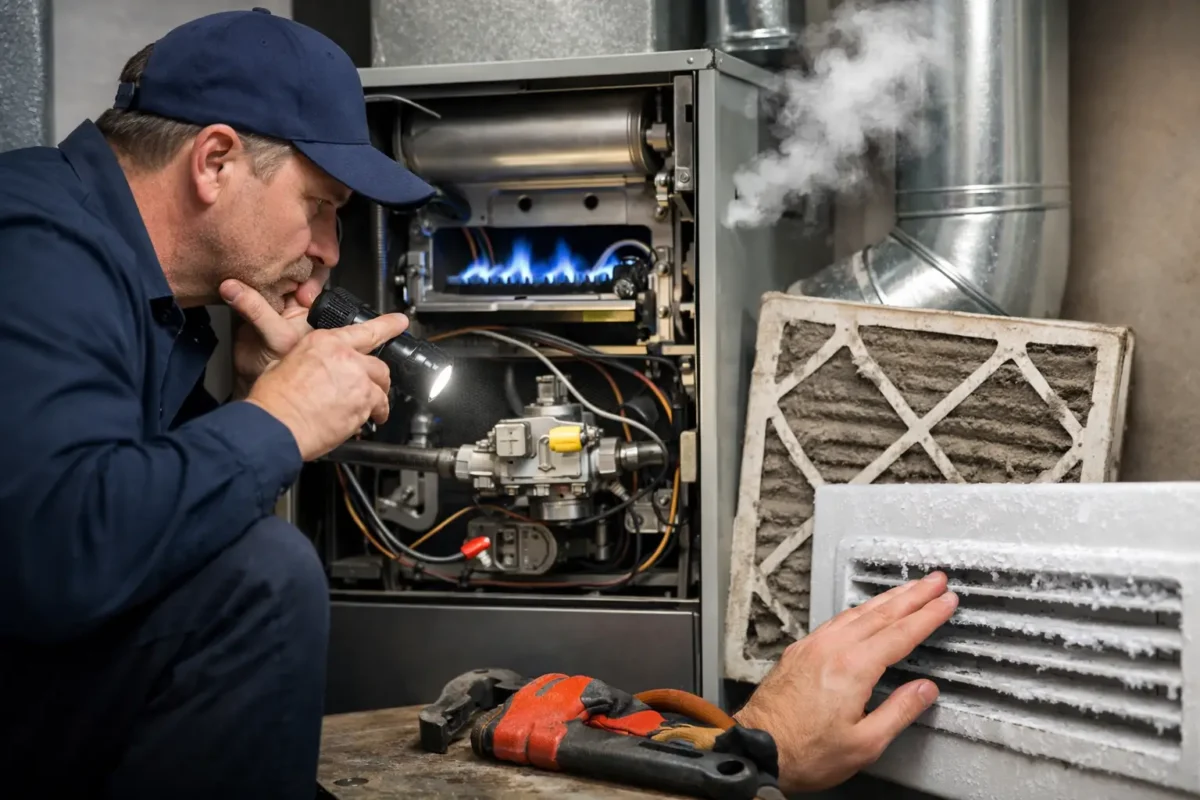
That first cold morning when the furnace kicks on should feel routine. If it sounds louder than usual, struggles to heat the house, or turns your living room into a hot-and-cold patchwork, those are often the top signs furnace needs repair – and waiting rarely makes the problem cheaper.
For homeowners in San Jose and nearby Bay Area communities, furnace trouble can be easy to ignore because winters are milder than in other parts of the country. But that also means many systems sit quietly for long stretches, then get asked to perform without warning when temperatures dip. Small issues can stay hidden until the furnace finally has to work, and then comfort, efficiency, and safety all get tested at once.
Top signs furnace needs repair before it fails
Some furnace problems are dramatic, but most start subtly. A strange sound here, a longer heating cycle there, maybe a utility bill that seems a little off. On their own, those changes may not feel urgent. Together, they usually tell a clearer story.
Your furnace is making new or unusual noises
A healthy furnace is not silent, but its sound should be familiar. If you start hearing banging, rattling, screeching, humming, or popping that was not there before, something has changed inside the system.
The cause can range from a loose panel or worn belt to ignition trouble, blower motor issues, or expanding ductwork. Some noises are minor and relatively simple to correct. Others point to parts under strain that can fail if left alone. The key is not to guess based on sound alone. New noise is a signal that the system deserves a closer look.
Rooms are heating unevenly
If one bedroom feels comfortable while another stays chilly, the furnace may no longer be distributing heat properly. Uneven heating can come from airflow restrictions, duct leaks, thermostat problems, or a blower that is not performing as it should.
This is one of those issues where it depends. In some homes, layout and insulation play a role. But if uneven temperatures are new, or worse than usual, the furnace or duct system may need repair. Comfort problems are often the first thing homeowners notice before a mechanical issue becomes obvious.
The furnace turns on and off too often
Short cycling means the furnace starts, runs briefly, shuts off, and then repeats the pattern too soon. That is hard on components and hard on your energy bill.
Sometimes the fix is straightforward, like a dirty filter that restricts airflow or a thermostat issue that causes bad readings. Other times, the problem involves overheating, ignition, or a system that is no longer operating within normal limits. Either way, frequent cycling is not something to brush off as a quirk.
Performance issues that should not wait
When the furnace still runs, it is tempting to assume it is fine. But reduced performance often shows up well before a complete breakdown.
Weak airflow from the vents
If the air coming from your vents feels faint, the furnace may be struggling to move heated air through the home. Weak airflow can make rooms take longer to warm up and leave the system running longer than necessary.
A clogged filter is one possible cause, and it is always worth checking first. If replacing the filter does not help, the issue may involve the blower motor, wheel, ductwork, or another internal component. This is one of the top signs furnace needs repair because airflow problems usually affect both comfort and efficiency at the same time.
The air is not getting warm enough
Sometimes the furnace runs, but the heat feels lukewarm or inconsistent. That can point to burner problems, ignition issues, airflow restrictions, or a thermostat that is not communicating properly.
Homeowners often describe this as a furnace that “just does not feel like it used to.” That is useful information. Heating systems tend to decline in noticeable ways before they stop altogether. If the system is running longer but delivering less warmth, it is asking for attention.
Your energy bills are climbing without a clear reason
Higher utility costs do not always mean you need a repair. Weather changes, thermostat adjustments, and seasonal use all affect monthly bills. But if your heating costs jump and your routine has not changed much, the furnace may be losing efficiency.
Worn parts, restricted airflow, failing components, and delayed ignition can all make the system work harder to do the same job. A furnace in trouble often uses more energy while delivering less comfort. That combination is a strong sign that service is worth scheduling.
Warning signs that may involve safety
Comfort matters, but safety matters more. A furnace that is acting strangely should be treated seriously if you notice anything that suggests combustion or electrical problems.
You smell gas or something burning
If you smell natural gas, leave the home and follow gas safety procedures right away. That is not a wait-and-see situation.
A brief dusty smell when the furnace first turns on for the season can be normal. A persistent burning odor is different. It may point to overheating components, electrical issues, or debris inside the system. If the smell continues, shut the system down and have it checked before using it again.
The pilot light or burner flame looks wrong
Not all furnaces have a standing pilot light, but if yours does, or if the burner flame is visible during operation, the flame should generally look steady and blue. A yellow flame or flickering behavior can signal combustion issues.
This is one area where homeowners should be cautious about self-diagnosing. Flame and combustion problems can involve the gas supply, burner contamination, ventilation, or other safety-related concerns. When in doubt, have a licensed technician inspect it.
You notice more dust, dryness, or poor indoor air quality
A furnace problem does not always announce itself with noise. Sometimes the sign is what you feel in the air. More dust around vents, a stuffy feeling indoors, or worsened air quality can point to dirty components, duct leaks, or airflow imbalance.
That does not always mean the furnace itself is failing, but it can mean the heating system is not operating cleanly or efficiently. In homes with children, older adults, or anyone with allergies, these changes are worth taking seriously.
When age makes repair decisions more urgent
Older furnaces can often be repaired, and many should be. But age changes the conversation.
The system is 12 to 15 years old or more
A furnace does not automatically need replacement because of its age. Many well-maintained systems last longer. Still, once a furnace moves into the later part of its lifespan, repair issues tend to show up more often, and parts may wear out closer together.
That does not mean every repair is a bad investment. It does mean you should look at the full picture: repair cost, frequency of breakdowns, heating performance, and utility bills. If your furnace is older and showing multiple symptoms at once, it may be time to compare repair with replacement instead of assuming a quick fix is the best value.
Repairs are becoming repetitive
One repair every so often is normal. Calling for service several times in a season is not. Repeated ignition issues, blower problems, or thermostat-related complaints usually mean the system is not stabilizing.
For homeowners, the real cost is not just the invoice. It is the stress of unreliable heat, schedule disruption, and the risk of the next breakdown happening at the worst possible time. A trustworthy HVAC company should be honest about whether repair still makes sense or whether replacement would better protect comfort and long-term costs.
What to do if you notice these signs
Start with the basics. Check the thermostat settings, replace a dirty air filter if needed, and make sure vents are open and unobstructed. If the issue continues, or if you notice gas odors, burning smells, short cycling, weak heat, or unusual noises, schedule professional service promptly.
A proper diagnosis matters because furnace symptoms overlap. Weak airflow could be a filter issue, a blower issue, or a duct issue. High bills could point to the furnace, insulation, or thermostat calibration. The goal is not just to get the heat back on. It is to solve the right problem the first time, with clear recommendations and upfront pricing.
For Bay Area homeowners, fast attention can prevent a minor repair from becoming an emergency call. HVAC DOME works with that homeowner-first mindset: dependable service, clear communication, and solutions built around comfort, safety, and efficiency.
If your furnace has been asking for help in small ways, trust what your home is telling you. The earlier you act, the easier it usually is to protect your comfort and avoid a colder, more stressful night later.