
Best Energy Efficient Water Heaters for Homes

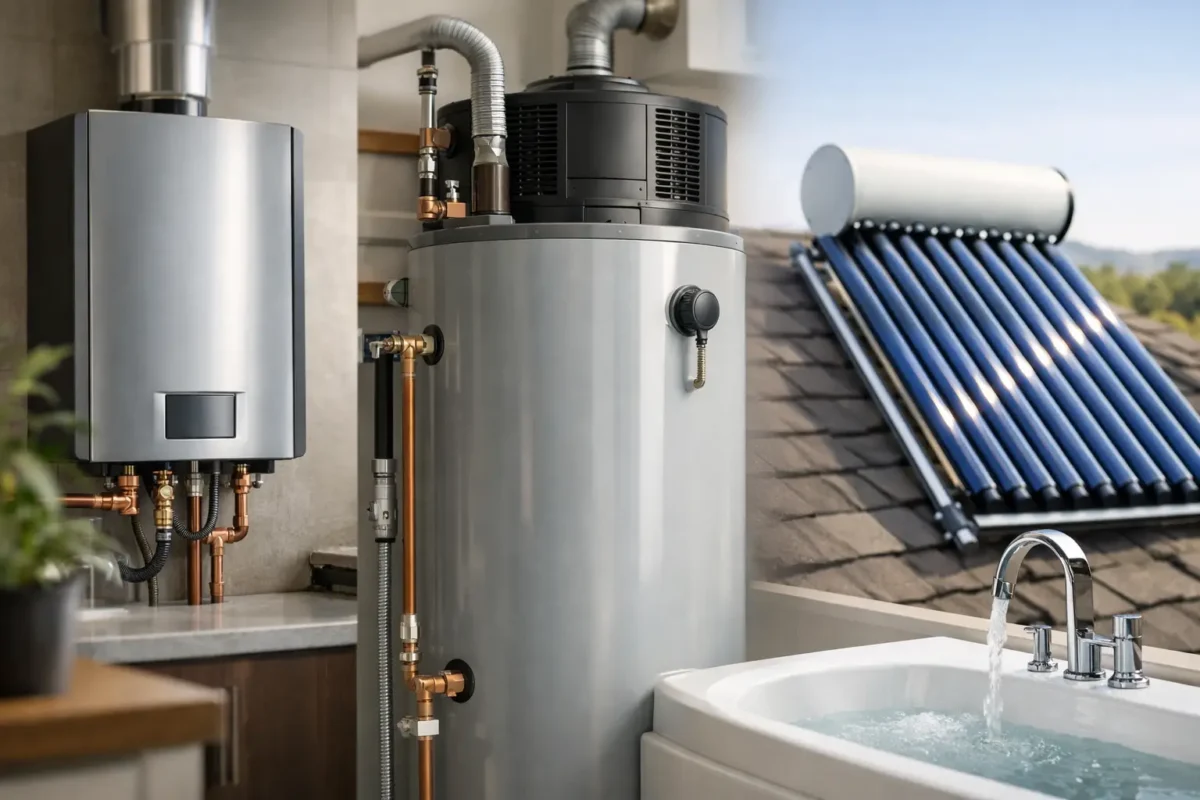
A water heater can quietly become one of the most expensive appliances in your home. It runs through morning showers, dishwasher cycles, laundry loads, and evening cleanup, often without getting attention until the hot water runs out. Choosing among the best energy efficient water heaters can lower ongoing energy use while giving your household more dependable comfort.
For San Jose homeowners, the right answer is not always the model with the highest efficiency rating. Available installation space, household size, fuel type, electrical capacity, hot-water habits, and upfront budget all matter. A system that looks efficient on paper can be a poor fit if it cannot meet peak demand or requires costly changes to your home.
What Makes a Water Heater Energy Efficient?
Water-heater efficiency is commonly measured by a Uniform Energy Factor, or UEF. In simple terms, a higher UEF means more of the energy going into the unit becomes usable hot water instead of being lost through exhaust gases, standby heat loss, or the heating process itself.
But efficiency is only one part of the ownership cost. A lower-priced standard tank unit may be practical for a small household or a rental property. A more efficient heat pump or tankless system may cost more to install but can reduce monthly operating costs for years. The best choice balances purchase price, installation requirements, expected lifespan, and your family’s real-world hot-water use.
The Best Energy Efficient Water Heaters by Type
Heat pump water heaters: best overall efficiency
For many Bay Area homes, a heat pump water heater is the leading option for lowering water-heating energy use. Rather than creating heat directly with electric resistance elements, it pulls warmth from the surrounding air and transfers it into the water tank. Think of it as an air conditioner operating in reverse.
This technology can use substantially less electricity than a conventional electric tank water heater. It is especially appealing for homeowners replacing an older electric unit and looking for long-term utility savings.
There are trade-offs. Heat pump water heaters need adequate surrounding air space and typically work best in a garage, utility room, or other area that can tolerate cooler, drier air. They can make some noise while operating, similar to a modest fan or appliance. Installation may also require electrical upgrades, a condensate drain, or careful planning in tight indoor spaces.
A heat pump model is often a strong match when you have room, expect to remain in the home for several years, and want to prioritize efficiency without giving up the stored hot-water capacity of a tank.
Tankless water heaters: best for continuous hot water
Tankless water heaters heat water as it flows through the unit instead of storing a full tank of hot water. Because they do not continually maintain a large tank at temperature, they avoid standby losses. For households with moderate daily use, this can provide meaningful energy savings compared with an older conventional tank.
The biggest benefit is comfort during long or staggered demand periods. A properly sized tankless system can provide continuous hot water for showers, dishes, and laundry. It is also compact, which can free up garage or utility-room space.
However, “endless” hot water does not mean unlimited flow. A tankless water heater has a maximum output based on the temperature of incoming water and the number of fixtures running at once. If two showers, a washing machine, and a dishwasher operate together, an undersized unit may struggle. Gas tankless models may also need a larger gas line, new venting, and a properly designed condensate drain. Electric tankless units can require a significant electrical service upgrade.
Tankless is a smart option for homeowners who value space savings and continuous hot water, but sizing and installation quality are critical.
High-efficiency gas tank water heaters: best for familiar performance
A high-efficiency gas tank water heater is a practical middle ground for many homes already equipped for natural gas. These units work like familiar storage-tank water heaters but use better insulation, improved burners, and more efficient venting than older models.
They usually cost less to install than a tankless conversion and can be easier to replace quickly when an existing unit fails. A correctly sized tank also handles several back-to-back showers well, making it a dependable choice for busy families.
Compared with heat pump technology, gas tank units generally will not deliver the same level of energy savings. Some high-efficiency models use power venting or condensing technology, which adds equipment complexity and may need electrical access. Still, for a straightforward replacement with reliable capacity, this category deserves serious consideration.
Standard electric tank water heaters: best for simple replacement needs
Conventional electric tank water heaters are not usually the top pick for efficiency, but they still have a place. They are relatively simple, widely available, and do not require combustion venting or a gas connection. For a home with no gas service, limited installation options, or a need for an affordable replacement, a standard electric tank can be a sensible choice.
The concern is operating cost. Electric resistance heating typically uses more energy than a heat pump water heater. If you are replacing an electric tank, it is worth comparing the installed cost of a heat pump model before deciding solely on the lowest initial price.
How to Size a Water Heater for Your Household
The most efficient water heater is not helpful if it cannot keep up with your morning routine. Sizing should be based on peak demand, not just the number of people in the home.
For tank water heaters, a family of two to three people may often do well with a 40- to 50-gallon tank, while larger households may need 50 to 80 gallons depending on shower habits, appliance use, and recovery rate. Heat pump water heaters may need a larger tank or a hybrid operating mode if your household has heavy early-morning demand.
For tankless water heaters, installers look at required flow rate and temperature rise. A home that regularly runs two showers at the same time needs more capacity than a household where hot-water use is spaced out. Local incoming water temperatures, fixture flow rates, and whether you use a recirculation system all affect the final recommendation.
An in-home assessment helps prevent two expensive mistakes: paying for more capacity than you need or installing a unit that delivers inconsistent comfort when demand is highest.
Installation Details That Affect Savings
The water heater itself is only part of the system. Poor installation can reduce efficiency, shorten equipment life, and create safety concerns. Proper venting, gas-line sizing, electrical connections, drainage, earthquake strapping, temperature settings, and pressure-relief protection all matter in Bay Area homes.
If your water heater is located far from frequently used bathrooms or the kitchen, a recirculation solution may improve convenience by reducing the wait for hot water. It can also waste energy if it runs continuously, so a demand-controlled or timed approach is often preferable.
Water quality matters too. Mineral buildup can reduce performance in tankless units and shorten the life of any water heater. Periodic flushing and manufacturer-recommended maintenance help preserve efficiency. Tankless systems, in particular, benefit from regular descaling where mineral content is a concern.
When Replacing an Older Water Heater Makes Sense
Waiting for a tank water heater to fail can turn a planned upgrade into a rushed emergency. If your unit is around 10 years old, shows rust or moisture near the base, makes rumbling sounds, produces inconsistent temperatures, or needs repeated repairs, it is wise to start evaluating replacement options.
A planned installation gives you time to compare efficiency, verify available incentives, and address electrical or venting needs without pressure. It also reduces the risk of water damage from a leaking tank.
For homeowners who want clear recommendations rather than a one-size-fits-all sales pitch, HVAC DOME can assess your home’s hot-water needs, existing connections, and installation space. Licensed technicians can explain the practical trade-offs and provide upfront pricing before work begins.
The right water heater should feel invisible in the best way: enough hot water when you need it, lower waste in the background, and confidence that the system was selected for your home instead of a generic checklist.