
How Long Do HVAC Systems Last?

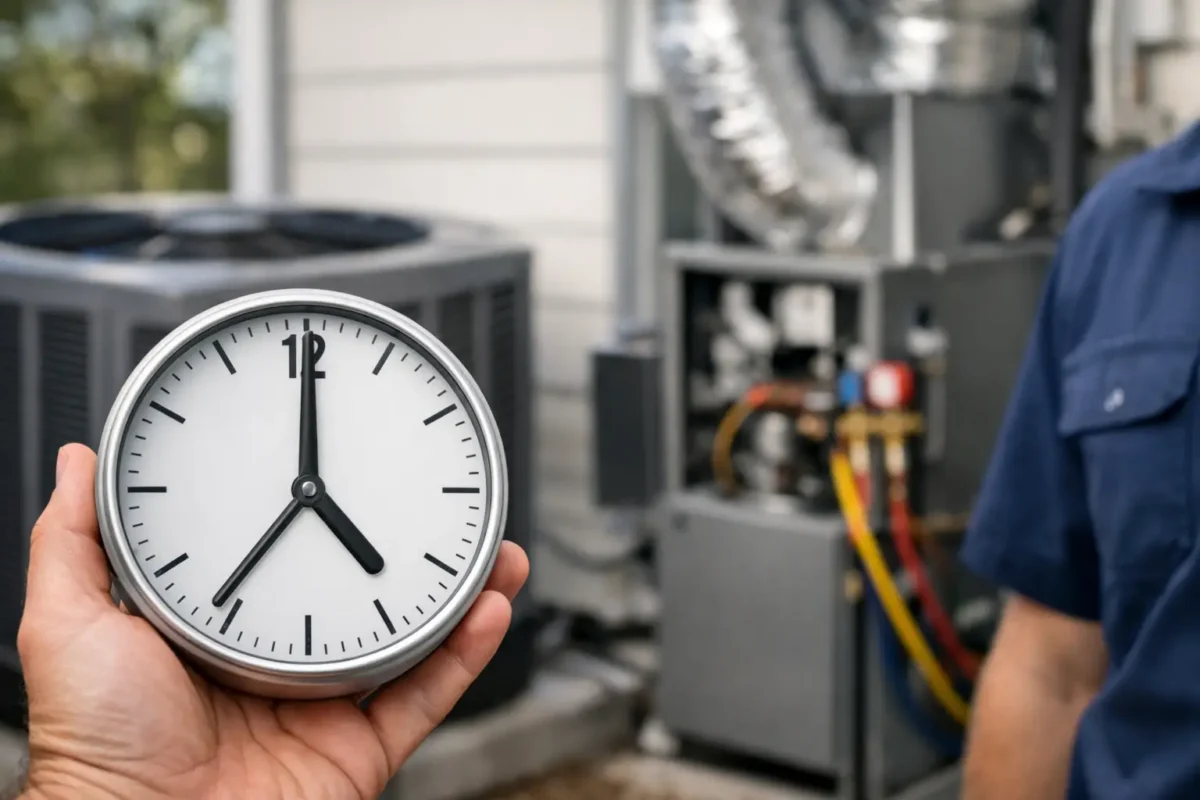
A system that ran quietly for years can start showing its age all at once – higher energy bills, uneven rooms, strange noises, and repair calls that seem to come closer together. If you are wondering how long do HVAC systems last, the short answer is that most systems make it about 10 to 20 years, but the real answer depends on the equipment type, maintenance history, usage, and local conditions inside and outside your home.
For homeowners in San Jose and nearby Bay Area communities, that question matters for more than curiosity. It affects budgeting, comfort, indoor air quality, and whether it makes sense to repair a unit one more time or start planning for replacement before a breakdown turns urgent.
How long do HVAC systems last on average?
HVAC is a broad category, so lifespan varies by component. Central air conditioners often last around 12 to 15 years. Furnaces can reach 15 to 20 years, sometimes longer with solid upkeep. Heat pumps usually land in the 10 to 15 year range because they work year-round for both heating and cooling. Ductwork can last 20 years or more, though leaks, poor insulation, and age can reduce performance much sooner.
Those are averages, not promises. Two systems installed the same year can age very differently. One may still run efficiently after 15 years, while another starts struggling at 10 because of skipped tune-ups, airflow problems, or improper installation.
That is why homeowners should think in terms of service life and condition, not just the date on the nameplate. Age matters, but how the system has been treated matters just as much.
What affects HVAC lifespan the most?
Maintenance is usually the biggest factor. A system that gets regular inspections, cleaning, filter changes, and small fixes tends to last longer and perform more reliably. When maintenance is delayed, dust buildup, worn parts, and airflow restrictions force the equipment to work harder. That extra strain shortens its useful life.
Installation quality is another major piece of the puzzle. Even a high-end system can underperform if it was oversized, undersized, or installed with poor duct design. Short cycling, uneven temperatures, and excess wear often trace back to setup issues rather than the brand itself.
Usage also plays a role. In homes where heating or cooling runs almost nonstop, parts naturally wear faster. Heat pumps in particular see more annual use than a separate furnace and AC setup, so they may age sooner even when well maintained.
Indoor conditions count too. Homes with excessive dust, pet hair, poor ventilation, or neglected filters can put more stress on the blower and other components. If your ductwork leaks or your attic insulation is lacking, the system has to work longer to keep up.
Bay Area conditions can change the equation
San Jose does not deal with the same extreme winters as colder parts of the country, which can help furnaces last longer. But long cooling seasons, warm inland temperatures, and extended shoulder seasons can still put steady demand on AC systems and heat pumps. Homes near the coast may also deal with salt air exposure that can be harder on outdoor equipment over time.
That is one reason local service matters. A technician familiar with Bay Area homes can spot wear patterns and efficiency issues that are common in this region.
Signs your HVAC system is nearing the end
Most systems do not fail without warning. They usually leave clues first.
If your utility bills keep rising without a clear reason, your equipment may be losing efficiency. If some rooms stay hot while others feel comfortable, the system may be struggling with airflow, capacity, or aging components. Frequent repairs are another red flag, especially when they start stacking up in the same year.
Noise changes matter too. Rattling, grinding, buzzing, or hard starts can point to mechanical wear. You may also notice longer run times, weaker airflow, more dust, or trouble keeping a steady temperature.
For furnaces, signs of age can include delayed ignition, short cycling, or inconsistent heat. For air conditioners and heat pumps, common warning signs include poor cooling, ice on the coil, refrigerant issues, or an outdoor unit that seems to labor more than it used to.
A system does not need to be completely dead to be close to replacement. In many homes, the more practical question is whether it is still dependable enough to justify the next repair.
Repair or replace? The answer depends
There is no one-size-fits-all rule, but age changes the math. If your air conditioner is 13 years old and needs a major repair, replacement may be the smarter long-term move. If your furnace is 8 years old and the fix is straightforward, repair is often reasonable.
Cost matters, but so does reliability. A cheaper repair is not always the better value if it only buys a short amount of time before the next failure. On the other hand, replacing a system too early can mean spending money before you truly need to.
Efficiency is another trade-off. Older systems often use more energy to deliver less comfort. If your current unit still works but struggles to keep the house comfortable, a newer system may lower operating costs and improve day-to-day performance enough to justify the investment.
Homeowners should also think about timing. Replacing a system on your schedule is usually less stressful than making a rushed decision during a heat wave or a cold snap.
How to make an HVAC system last longer
You cannot stop normal wear, but you can slow it down.
Changing the air filter on schedule is one of the simplest and most effective steps. A clogged filter restricts airflow and forces the system to work harder than it should. Keeping vents open and unobstructed helps too. Closing off too many vents can create pressure issues that reduce efficiency and strain the equipment.
Professional maintenance is just as important. Seasonal tune-ups help catch worn capacitors, dirty coils, loose electrical connections, refrigerant issues, and burner or ignition problems before they become bigger repairs. Small adjustments now can prevent major breakdowns later.
It also helps to pay attention to the outdoor unit. Keep debris, leaves, and overgrown plants away from it so air can move freely. Inside the home, sealing duct leaks and improving insulation can reduce system run time and support longer equipment life.
Smart thermostat settings can help as well. Constant extreme temperature swings and aggressive manual adjustments can increase wear. A more consistent schedule is easier on the system and better for efficiency.
How long do HVAC systems last if they are well maintained?
When homeowners ask how long do HVAC systems last if they stay on top of service, the answer usually shifts toward the upper end of the average range. A well-maintained furnace may stay dependable for close to 20 years. A central AC may reach 15 years or longer. A heat pump that receives regular care can often deliver solid performance into the mid-teens.
That said, maintenance does not make a system immortal. Parts still wear out, technology changes, and efficiency standards improve. At a certain point, even a carefully maintained older system may become more expensive to keep than to replace.
The goal of maintenance is not just to stretch life as long as possible. It is to get the best performance, safety, and value from the years you do have.
When homeowners should start planning ahead
If your system is past the 10-year mark, it is wise to start thinking ahead even if it still runs. That does not mean replacement is immediate. It means paying closer attention to repair frequency, energy costs, and comfort issues.
Planning early gives you more control. You can compare options, think about energy efficiency, and choose equipment that fits your home instead of making a rushed decision during an emergency. For many Bay Area homeowners, that peace of mind matters just as much as the equipment itself.
A trusted local HVAC team can inspect the system, explain its current condition in plain language, and help you decide whether maintenance, repair, or replacement makes the most sense. That kind of guidance is especially valuable when the equipment is aging but not completely failed.
At HVAC DOME, we believe homeowners should never feel pressured or left guessing. If your system is getting older, the best next step is a clear evaluation and honest advice based on how your equipment is actually performing in your home. A little planning today can spare you a lot of discomfort later.