
Why Is AC Not Cooling? Causes and Next Steps

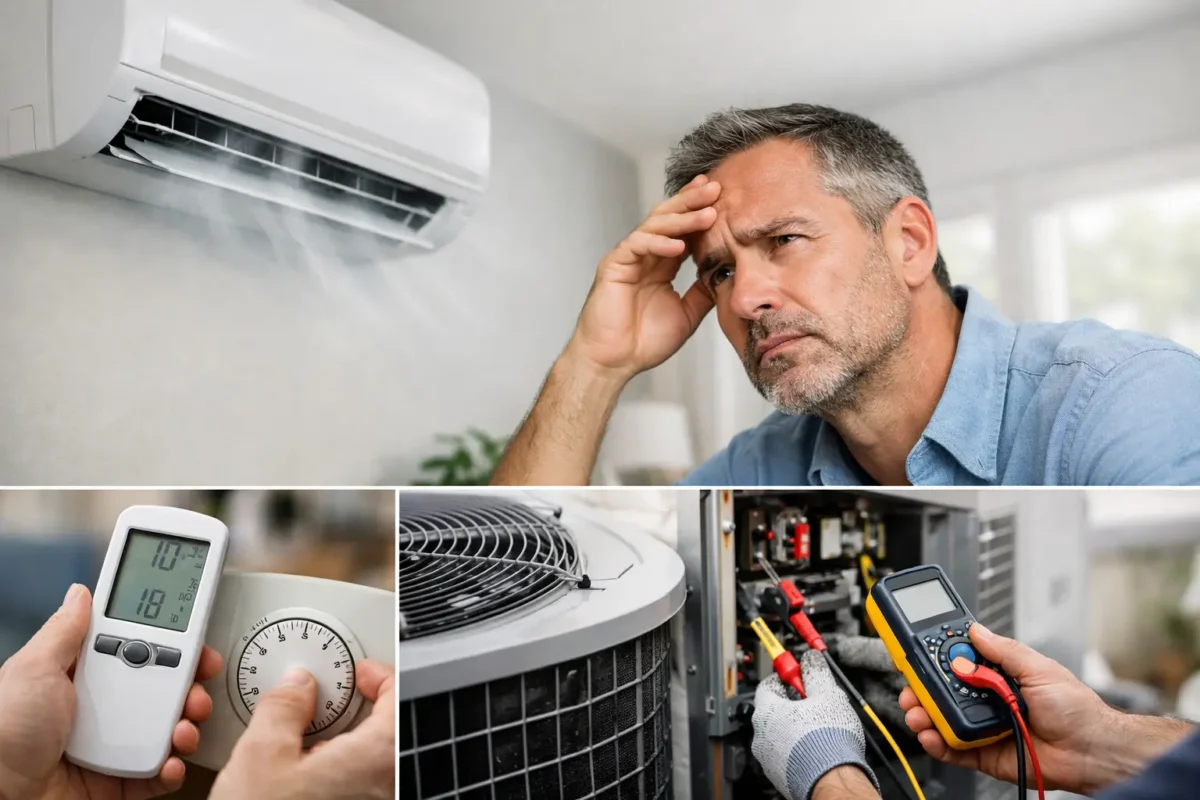
A Bay Area heat wave is not the time to discover that your thermostat says 72, the AC is running, and the rooms still feel warm. If you are asking, “why is ac not cooling,” the answer may be as simple as a dirty filter or as urgent as a refrigerant leak or failing compressor. The key is knowing which checks are safe to make yourself and when to stop troubleshooting and call for service.
Why Is AC Not Cooling Even Though It Is Running?
An air conditioner does not create cold air. It moves heat out of your home through a carefully balanced process involving airflow, refrigerant, electrical controls, and an outdoor condenser. When one part of that process is blocked, dirty, damaged, or incorrectly set, the system may keep blowing air without delivering the cooling your home needs.
Start with the easy checks before assuming the equipment has failed. Set the thermostat to Cool, lower the set point at least 3 to 5 degrees below the current indoor temperature, and make sure the fan is set to Auto rather than On. With the fan set to On, the blower can continue circulating room-temperature air between cooling cycles, making it seem as though the AC is not working.
Also confirm that the breaker for both the indoor air handler and outdoor condenser has not tripped. If a breaker trips again after you reset it once, leave it off and schedule a professional inspection. Repeated trips can point to an electrical fault, a failing motor, or another issue that should not be ignored.
Common Reasons Your AC Is Not Cooling
A clogged air filter is restricting airflow
A heavily clogged filter can limit the air moving across the indoor evaporator coil. That makes the system work harder, reduces comfort, and can eventually cause the coil to freeze. Check the filter monthly during periods of regular use. If it looks gray, packed with dust, or visibly matted, replace it with the correct size and type.
A high-efficiency filter can be a good choice for some homes, but filters that are too restrictive for the system may reduce airflow. If you have recurring airflow concerns, a technician can recommend a filter rating that supports both indoor air quality and proper system performance.
The outdoor condenser is blocked or dirty
The outdoor unit needs open space to release heat. Leaves, grass clippings, loose debris, or dense landscaping around the condenser can trap heat and reduce cooling capacity. Turn off power to the system before clearing visible debris, and keep plants and stored items at least 2 feet away from the unit.
Do not use a pressure washer on condenser coils. The delicate metal fins bend easily, and damaged fins restrict airflow further. Professional maintenance includes a proper coil cleaning and a check for issues that are not obvious from the outside.
Refrigerant is low due to a leak
Refrigerant is not fuel that your AC normally uses up. If the charge is low, there is usually a leak that needs to be located and repaired. Signs can include weak cooling, ice on the refrigerant line or indoor coil, hissing sounds, or an AC that runs for long periods without reaching the thermostat setting.
Adding refrigerant without addressing the leak is only a temporary measure. A licensed technician should test the system, identify the cause, make the appropriate repair, and charge the equipment to manufacturer specifications. This protects efficiency, comfort, and the life of the compressor.
A frozen evaporator coil is stopping heat transfer
Ice on the indoor coil can look like a refrigerant problem, but poor airflow is also a common cause. A dirty filter, blocked return vent, dirty coil, blower problem, or low refrigerant can all contribute. If you see ice, turn the cooling mode off and set the thermostat fan to On to help the coil thaw. Place towels around the indoor unit if water may drip as the ice melts.
Do not restart cooling until the ice is completely gone. Running a frozen system can damage the compressor. Once thawed, the underlying cause still needs attention, especially if the issue returns.
Thermostat or electrical controls are not communicating correctly
Sometimes the AC itself is capable of cooling, but it is not receiving the right command. Dead thermostat batteries, loose wiring, incorrect programming, or a malfunctioning contactor can interrupt operation. A thermostat that is located near a sunny window, kitchen, or heat-producing appliance may also read the room inaccurately.
Smart thermostats can add another variable. After a power outage, software update, or settings change, verify the system mode, schedule, and temperature hold settings. If the screen is blank or the system does not respond, professional diagnostics can prevent unnecessary part replacements.
The compressor, capacitor, or fan motor is failing
The outdoor unit contains components that do the heavy work of moving heat outside. A weak capacitor may prevent the fan or compressor from starting correctly. A failing condenser fan motor can leave the unit humming but unable to shed heat. Compressor problems are more serious and may be accompanied by loud noises, warm air from vents, or repeated breaker trips.
These are not DIY repairs. Capacitors can store a dangerous electrical charge even when power is disconnected, and diagnosing compressor issues requires proper tools and training. Prompt service can sometimes prevent a smaller component issue from becoming a larger system repair.
Ductwork is leaking, disconnected, or poorly balanced
If some rooms are comfortable while others stay hot, the air conditioner may be cooling but the conditioned air may not be reaching the right places. Leaky ducts can send cooled air into an attic, crawl space, or wall cavity. Crushed flex duct, disconnected sections, closed dampers, and undersized return ducts can create similar symptoms.
This is especially common in older San Jose-area homes and in homes with additions or remodeled spaces. A ductwork evaluation can reveal whether the problem is equipment-related, airflow-related, or both.
Safe Steps to Take Before Calling for AC Repair
A few homeowner checks can make service faster and may restore cooling without a repair visit. Replace a dirty filter, open supply registers and return vents, clear debris around the outdoor unit, and verify thermostat settings. Check that windows and exterior doors are closed, particularly in rooms that seem hardest to cool.
Pay attention to what the system is doing. Is the indoor blower running? Is the outdoor unit silent, humming, or making unusual sounds? Is there water near the indoor equipment? Are any refrigerant lines iced over? These details help a technician narrow down the cause quickly.
Avoid repeatedly cycling the thermostat, resetting breakers, or removing access panels. Those actions can mask the problem, create additional wear, or introduce a safety risk. If you smell burning, notice smoke, hear loud grinding, or see a breaker trip repeatedly, turn the system off and request urgent service.
When to Schedule Professional AC Service
Call for professional help when basic checks do not restore cooling within a reasonable time, when the system blows warm air, or when you see ice, water leaks, electrical issues, or unusual noises. A licensed technician can test airflow, refrigerant pressures, electrical components, condensate drainage, thermostat operation, and duct performance instead of guessing at the cause.
Repair versus replacement depends on the system’s age, condition, repair history, efficiency, and the specific failed component. A newer system with a failed capacitor may be a straightforward repair. An older unit with a compressor issue, recurring refrigerant leaks, and rising energy bills may justify a conversation about a more efficient replacement. Upfront pricing and clear options matter because the right decision should fit your home, comfort goals, and budget.
For homeowners in San Jose and nearby Bay Area communities, HVAC DOME provides dependable diagnostics and comfort-focused AC service from licensed technicians. The goal is not simply to get air moving again, but to identify why cooling stopped and recommend a practical solution you can trust.
A home that will not cool can become uncomfortable fast, but it does not have to become a mystery. Start with the simple, safe checks, protect the system when warning signs appear, and get qualified help before a small cooling issue turns into a hotter, more expensive problem.