
10 Best Ways to Lower Heating Costs at Home

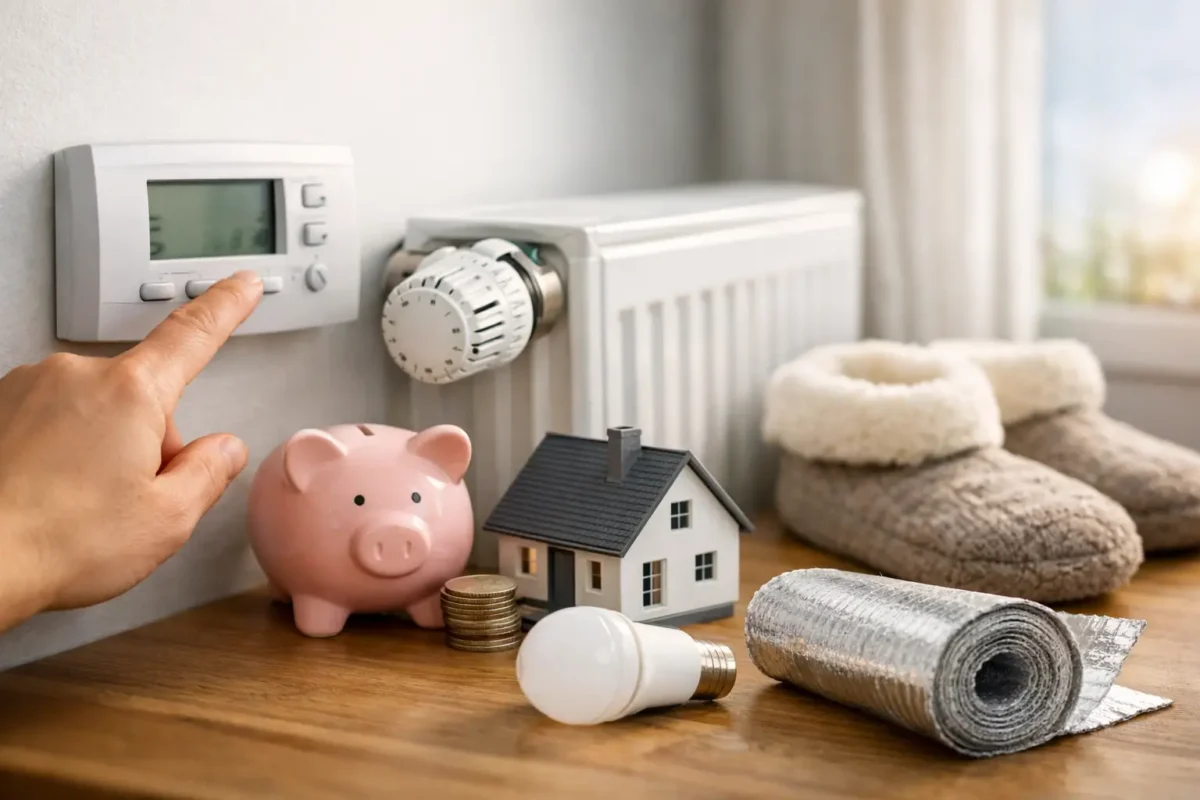
A chilly Bay Area morning can make a home feel uncomfortable fast, especially when the heater runs for hours without delivering even warmth. The best ways to lower heating costs are not about turning the system off and hoping for the best. They are about reducing wasted heat, helping your equipment run efficiently, and making thoughtful upgrades when the numbers support them.
For San Jose homeowners, heating bills can climb because of older furnaces, leaky ductwork, poor insulation, or thermostat habits that quietly add up. Start with the practical improvements below, then bring in a licensed HVAC professional if your system is struggling to keep up.
1. Set Your Thermostat for Your Actual Schedule
A thermostat should reflect when people are home, awake, and using the living areas. Lowering the setting a few degrees while everyone is asleep or away can reduce heating demand without sacrificing comfort when it matters most. Many households find that a daytime setting around 68°F is a reasonable starting point, then adjust based on comfort, health needs, and the way the home holds heat.
A programmable or smart thermostat makes this easier. It can warm the house before you wake up, ease back while the home is empty, and prevent the common mistake of heating an unoccupied house all day. Avoid large temperature swings, though. Constantly pushing the system to recover from a very low setting may be uncomfortable and can erase some expected savings, particularly in homes with heat pumps.
2. Change or Clean the Air Filter on Time
A clogged air filter restricts airflow. When airflow drops, your furnace or heat pump must work harder and longer to move warm air through the home. That can raise utility costs, increase wear on components, and leave certain rooms feeling colder than others.
Check the filter monthly during the heating season. Many homes need a replacement every one to three months, but the right interval depends on the filter type, pets, allergies, nearby construction, and how often the system runs. Use the filter size and rating recommended for your equipment. A filter that is too restrictive can create its own airflow problem.
3. Stop Warm Air From Escaping
Heating a home with air leaks is like filling a bucket with a crack in the bottom. Small gaps around doors, windows, attic hatches, plumbing penetrations, and recessed lighting can allow conditioned air to escape while cooler outdoor air moves in.
Weatherstripping and caulk are affordable first steps, especially around frequently used exterior doors. Door sweeps can also make a noticeable difference where daylight or drafts are visible near the threshold. If rooms remain drafty after basic sealing, an insulation or home-energy assessment can help identify bigger issues in walls, attics, and crawl spaces.
Do not block required combustion air openings or ventilation pathways for gas appliances. When in doubt, ask a qualified professional before sealing an area near heating equipment.
4. Keep Vents Open and Airflow Clear
Closing supply vents in unused rooms may seem like an easy way to lower heating costs. In many forced-air systems, it can create excess pressure in the ductwork, reduce airflow across the equipment, and make the system less efficient. It may also lead to uneven temperatures elsewhere in the house.
Keep most vents open and clear of furniture, rugs, curtains, and storage. Make sure return grilles are not blocked, either. Returns are essential because they bring air back to the system for reheating. If one part of your home is always too warm or too cold, the answer may be duct repairs, balancing, insulation improvements, or thermostat placement rather than closed vents.
5. Schedule Professional Heating Maintenance
Regular maintenance is one of the best ways to lower heating costs because it addresses the small performance issues that homeowners cannot always see. A licensed technician can inspect electrical connections, burners or heat exchangers where applicable, airflow, safety controls, condensate drainage, thermostat operation, and overall system performance.
For a furnace, maintenance can help support safe, dependable combustion and efficient operation. For a heat pump, it can identify refrigerant, airflow, defrost, or outdoor-unit concerns that affect both heating performance and energy use. The goal is not just to avoid a surprise breakdown on the coldest day of the year. It is to help the system deliver the heat you are paying for.
If your heater has unusual smells, repeated cycling, loud operation, weak airflow, or a sudden increase in utility bills, do not wait for the next routine visit. These can be signs that a repair is needed.
6. Pay Attention to Your Ductwork
In homes with central forced-air heating, ducts carry warmed air to every room. If ducts are disconnected, poorly sealed, crushed, or inadequately insulated in an attic or crawl space, a meaningful share of that heat may never reach the living space.
Duct problems often show up as rooms that never match the thermostat, excessive dust, noisy airflow, or heating bills that feel high for the level of comfort you receive. A professional duct inspection can reveal leaks and design issues that are not visible from the registers. Proper repairs can improve comfort throughout the home while reducing system runtime.
7. Use Sunlight and Window Coverings Strategically
San Jose’s mild, sunny winter days can help your home naturally. Open curtains or blinds on sun-facing windows during the day to let solar warmth in. Once the sun goes down, close them to add a layer of insulation between the room and cooler glass.
This is a modest strategy, not a replacement for a working heating system. Still, it can make rooms feel more comfortable and reduce the need to raise the thermostat. Heavy curtains can help on older windows, while cellular shades may provide better insulating value. Be sure window coverings do not block supply vents or create a safety issue near heaters.
8. Improve Insulation Before Oversizing Equipment
When a home is cold, it is tempting to assume the heater needs to be bigger. But an oversized system can cycle on and off too often, reduce comfort, and waste energy. In many cases, attic insulation, air sealing, and duct improvements should be considered before replacing the HVAC equipment.
The right order depends on the home. A newer, well-sealed house with a failing furnace has a different solution than a drafty older home with an otherwise functional unit. A professional load calculation considers square footage, insulation, windows, orientation, ductwork, and local climate to help determine the proper equipment size.
9. Know When an Older Heater Costs Too Much to Keep
Repairs are often the right choice when a system has a clear, isolated problem and still operates efficiently. Replacement becomes worth discussing when repairs are frequent, energy bills continue rising, comfort is inconsistent, or the equipment is nearing the end of its expected service life.
High-efficiency furnaces and modern heat pumps can lower operating costs, but savings depend on the existing system, installation quality, electricity and gas rates, and how the home is used. The lowest equipment price is not always the lowest long-term cost. Proper sizing, careful installation, and duct compatibility matter just as much as efficiency ratings.
For homeowners considering a heat pump, the Bay Area’s relatively moderate winters can make this option especially appealing. A technician can explain whether a heat pump, furnace, dual-fuel setup, or targeted repair best fits your home and budget.
10. Address Problems Before They Become Emergency Calls
A heater that runs constantly, short cycles, blows lukewarm air, or leaves cold spots is telling you something. Ignoring those signals can lead to higher bills now and a more expensive repair later. Prompt service protects comfort, helps prevent further equipment strain, and gives you time to make decisions without pressure.
HVAC DOME provides homeowners with dependable heating diagnostics, upfront pricing, and energy-efficient recommendations designed around real comfort needs. Whether the issue is a repair, aging equipment, or ductwork that is wasting heated air, a licensed technician can help identify the practical next step.
Your home should feel warm without making every utility bill a source of stress. Start with the simple changes you can control, then get professional help for persistent comfort problems. A well-maintained, properly matched heating system can make winter mornings quieter, more comfortable, and easier on your budget.